Correctional Safety and Welfare Monitoring

Agency Responsibilities
Agency-wide safety and welfare monitoring starts with clear responsibility for staff response. One written policy should define how command staff coordinate with the provider across facilities.
This discussion focuses on operational supervision considerations in custodial environments and is not intended to provide clinical or medical guidance. Correctional healthcare decisions should always be directed by qualified medical professionals and applicable facility policies.
Why should monitoring be planned at agency level?
A shared policy gives each facility the same operational starting point.
For command staff, the work begins with assigning responsibility. The policy should name who receives a notification and who responds if it is not acknowledged. The provider contract should define how officers request assistance under existing procedures.
The agency also needs a consistent way to review monitoring activity across sites. A common record format helps central office examine notifications and staff response without relying on a different process at each facility.
The Bureau of Justice Statistics reported 1,200 deaths in local jails in 2019. Those historical figures provide context for oversight. They do not establish what a monitoring product can prevent.
What remains the provider's responsibility?
The provider retains responsibility for its contracted services and professional decisions.
A monitoring program does not transfer those responsibilities to command staff or a technology vendor. The contract should explain how officers contact the provider after an in-person welfare check. It should also define how the provider handles those calls under existing procedures.
The agency decides who wears a sensor. This is a custody and housing decision made at intake, using written agency criteria. The provider can give input.
Apply those criteria consistently across facilities. Intake and heightened-observation placements can be considered under the agency's own policy. A notification does not determine placement or make a professional decision for the provider.
What does command staff own?
Command staff own the monitoring workflow and the officer response.
That includes required observation rounds and the routing of notifications. Written procedures should explain what happens when a notification is not acknowledged and when officers request further assistance.
OverWatch®, 4Sight Labs' wearable correctional monitoring system, notifies staff when an individual may need a welfare check. The notification directs the officer to check on the individual in person. It does not identify the underlying signal that triggered it.
Staff are not shown raw values or thresholds. The officer's in-person check and the agency's response procedures remain necessary.
OverWatch® is engineered for communication through concrete and steel. The agency should confirm coverage for its own facility layout during deployment. 4Sight Labs maintains an annual SOC 2 audit program; that statement does not establish compliance with every agency requirement.
How can one record support several facilities?
The shared record documents monitoring activity and staff response.
OverWatch® and OptiGuard™, 4Sight Labs' camera-based monitoring tool, share a command dashboard. Access should follow the agency's assigned roles, with supervisors reviewing the facilities within their responsibility.
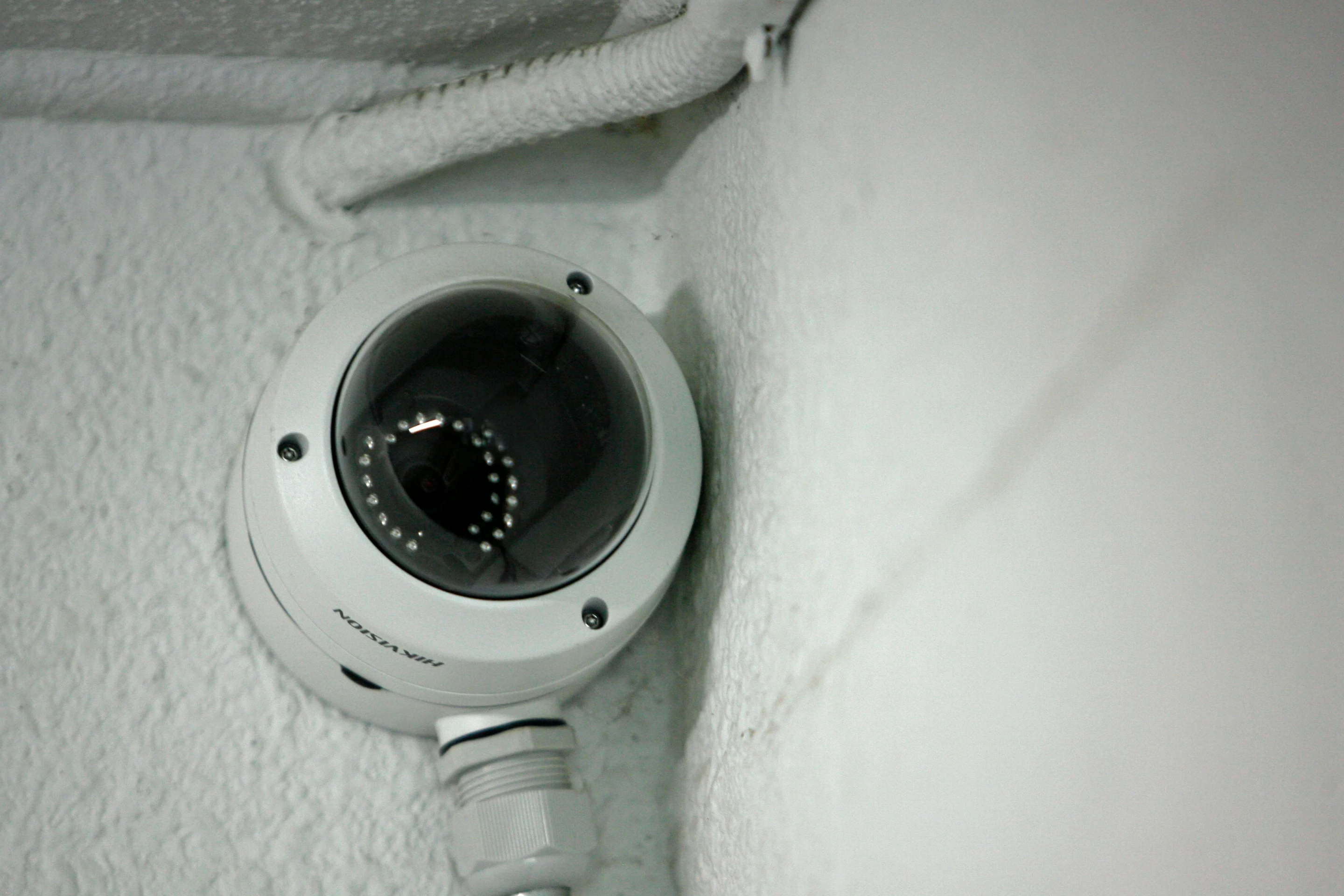
OptiGuard™ applies Liveness-Detection™ to existing camera feeds. When no motion is detected, it notifies staff so they can check in person. “No Motion Detected” is a prompt for staff attention, not a determination about the individual.
OptiGuard™ also documents cell visits, including wellness checks and meal delivery. Event records support review of activity; they do not replace the check itself or establish the quality of the response.
Use a documented setup when adding a facility, then confirm that the local workflow matches agency policy. The how it works page outlines the platform and deployment process.
What should the provider contract say?
The contract should make responsibility and access clear before deployment.
State that the agency sets wearable enrollment criteria as a custody and housing decision. Allow provider input, with the criteria applied at intake.
Define how the provider receives officer calls following a welfare check. The monitoring program does not change the provider's professional responsibilities.
If the agency chooses to share its notification and response log with the provider, specify who can access it and when it will be reviewed. Access should be limited by role. Sharing this log does not mean connecting the platform to the provider's records.
The written record can support post-incident review. It does not settle responsibility on its own or guarantee a legal outcome.
How should an agency roll out the program?
Write the policy before adding the technology.
Start with one facility and review the workflow before expanding.
- Confirm written enrollment criteria and issue OverWatch® sensors to the individuals those criteria identify.
- Confirm camera coverage for the areas selected for OptiGuard™ and test the staff-notification workflow.
- Set dashboard access and train staff on acknowledgment, in-person response and documentation.
- Review the facility's operation before applying the documented setup at the next site.
Device status notifications can help staff identify equipment needing attention. Staff still need a process for maintenance and interruptions. Our guide to change management for new monitoring technology covers rollout considerations.
Observation requirements depend on the rules that apply to the facility. The state jail observation compliance guide provides background; agencies should confirm current requirements with the relevant authority.
4Sight Labs reports 70,000+ individuals monitored as of October 2026 and 5M+ hours of monitoring data. Trusted by 80+ agencies in 19 states. 4Sight Labs reports 300+ agency-reported interventions. These figures describe reported activity; they do not guarantee an outcome at another facility.
What safeguards and limitations should staff understand?
Monitoring supports staff awareness; staff must still check and respond.
Wearable notifications direct staff attention. They do not explain the underlying signal or replace an in-person welfare check.
Camera-based notifications identify an absence of detected motion. Staff must verify the situation in person, and agencies should confirm the suitability of the selected camera coverage.
Time-stamped event records support review of monitoring activity and response. They do not establish that all required actions were completed correctly.
A shared dashboard supports coordinated oversight. It does not replace facility policy, required observation rounds or trained staff. The agency needs procedures for equipment interruptions and unacknowledged notifications.
Frequently asked questions
Who decides who wears an OverWatch® sensor?
The agency decides under its written custody and housing criteria, applied at intake. The provider can give input.
Can the provider review the welfare-check record?
Yes, if the agency chooses to share its notification and response log. Access is limited by role. Sharing the log does not mean connecting the platform to the provider's records.
Does monitoring replace required observation rounds?
No. OverWatch® and OptiGuard™ support awareness and documentation between checks. Staff must still complete required observation rounds and follow facility policy.
Are OverWatch® and OptiGuard™ medical devices?
OverWatch® and OptiGuard™ are not medical devices and are not intended to diagnose, treat, cure, mitigate, predict or prevent any disease or condition. Notifications direct staff to perform an in-person welfare check under agency policy. The products do not replace required checks or facility policy.
Clear responsibility gives each facility a consistent starting point for staff response. Additional guidance is available in the 4Sight Labs Resource Center.
Schedule a meeting to discuss how the program could fit your agency's policy and provider contract.