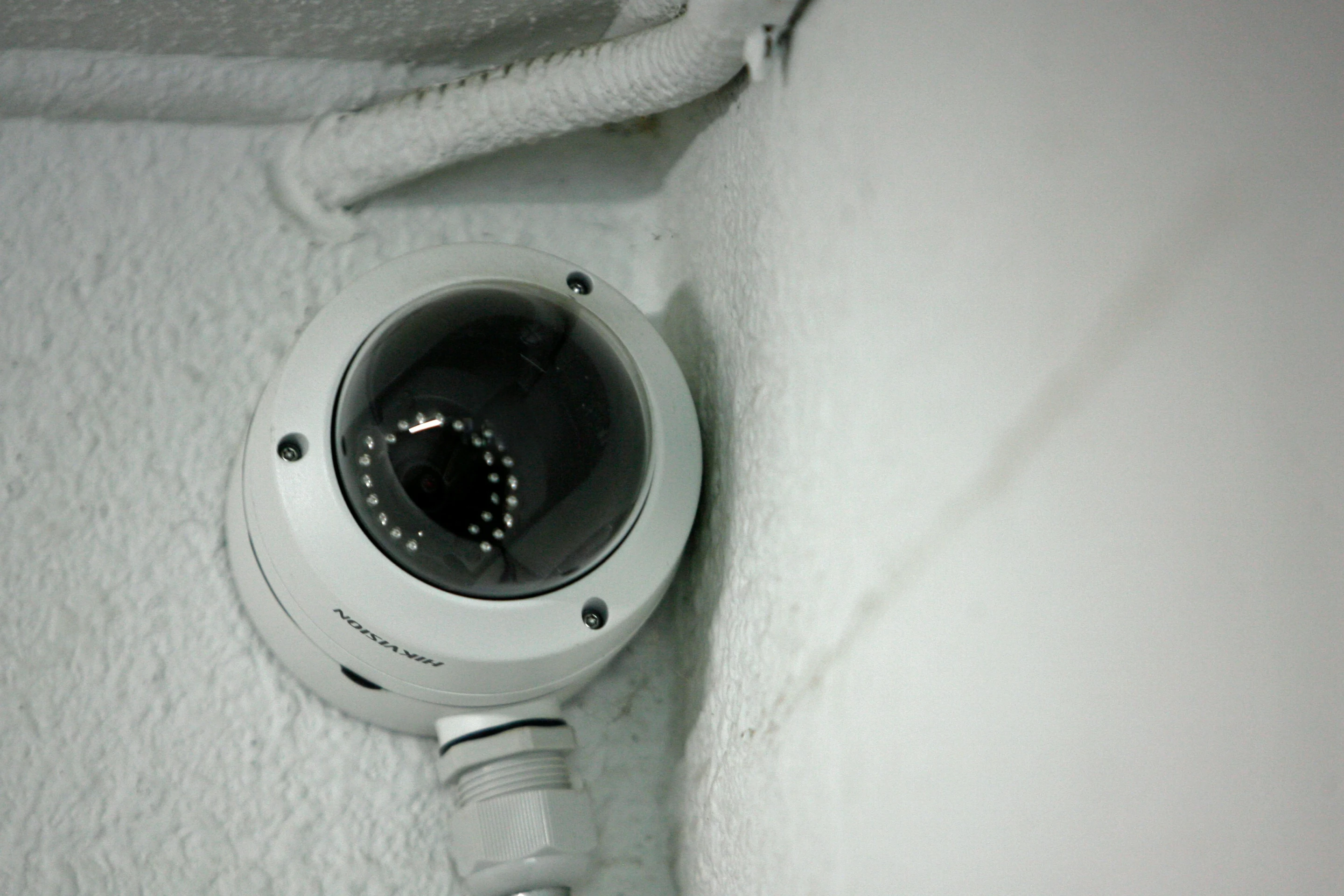
Change Management for New Monitoring Technology

Implementing New Monitoring Technology
It's tempting to judge new monitoring technology by how it performs in a vendor demonstration. That is not what determines whether it succeeds. New monitoring technology fails or succeeds in a correctional facility largely based on how it is introduced to staff.
Correctional staff technology adoption, in practice, means officers actually using a new platform as intended on their own initiative, not falling back on manual routines once initial rollout enthusiasm fades.
This discussion focuses on operational change management and training considerations in custodial environments and is not intended to provide clinical or legal guidance. Correctional healthcare and legal compliance decisions should always be directed by qualified medical professionals, agency counsel, and applicable facility policy.
Why Technology Succeeds or Fails With Officer Buy-In
Correctional officers are the people who will use a new monitoring system every shift, and their willingness to actually incorporate it into how they work determines whether an investment in new technology produces real operational value or simply becomes another piece of equipment that gets ignored.
A biometric monitoring platform, a camera-based analytics system, or any other tool introduced without officer input tends to be treated as something imposed from above rather than something built to help staff do their jobs.
This matters because most correctional technology is designed to extend, not replace, officer judgment. A system that surfaces a change in an individual's condition still requires an officer to respond and assess the situation directly.
If officers do not trust the system, view it as unreliable, or see it as an additional burden rather than a tool that reduces their workload, they will fall back on manual processes regardless of what the technology is capable of.
A platform that functions correctly but is quietly bypassed by staff has not actually improved supervision.
For sheriffs and command staff planning a rollout, this is worth treating as a primary success metric alongside technical performance: building buy-in early, before deployment, is significantly easier than trying to repair skepticism after a rocky rollout.
Where Staff Resistance Actually Comes From
Staff resistance to new monitoring technology rarely stems from a single cause, and understanding the specific source of resistance in a given facility matters more than assuming it is simply resistance to change in general.
- Surveillance concern: a worry that the technology is being introduced to monitor officers themselves, rather than to support their supervision of individuals in custody. If leadership does not directly address this concern, it tends to persist regardless of how the system is actually used.
- Workload concern: officers already managing a full shift may reasonably worry that a new system means more notifications to respond to, more documentation to complete, or more steps added to an already demanding routine. Distrust of notification accuracy is a related concern, officers who have previously worked with unreliable alarm systems may be skeptical that a new platform will behave differently.
- Procedural resistance: long-serving staff have developed routines around existing observation and documentation practices, and any new tool requires relearning parts of that routine. This form of resistance is often the most manageable, provided training is structured to respect the experience staff already bring to the job.
Leadership can address the workload concern directly: a well-designed system documents what it observes automatically, adding zero extra workload to an officer's shift rather than one more task competing for attention.
Training That Builds Trust, Not Just Compliance
Effective training for new monitoring technology goes beyond a single orientation session on how to operate the interface.
It should explain why the technology is being introduced, what specific operational problem it addresses, and how it fits into the officer's existing responsibilities rather than adding a separate set of tasks.
Officers who understand the reasoning behind a tool are more likely to use it as intended rather than treating it as an arbitrary requirement.
Hands-on practice under realistic conditions, rather than a purely classroom-based walkthrough, allows officers to build genuine familiarity before the system is relied upon during an actual shift.
Identifying respected officers within a unit to serve as early adopters or peer trainers can be more persuasive than instruction delivered solely by administrators or vendor representatives, since officers often trust the assessment of colleagues who have already worked with the tool under real conditions.
For training officers and peer leads, this is the practical standard to set: training should be explicit about what the technology does not do.
Officers should understand that a platform surfacing biometric signals for review does not diagnose a condition or make decisions on their behalf, it supports their own judgment with additional information.
Setting this expectation accurately, without overstating the technology's capabilities, helps prevent both over-reliance and disillusionment when officers discover the system's actual scope.
In practice, agencies going through this process often find that core operation can be taught in as little as two hours, since the system is designed to be simple enough that officers are not managing a complex tool on top of their existing duties.
Fitting New Tools Into Workflows That Already Work
A new monitoring platform is far more likely to be adopted successfully when it is built into existing shift routines rather than layered on top of them as a separate process.
This means examining how officers currently conduct rounds, document observations, and communicate across shift changes, and designing the technology's use to align with those established patterns wherever possible, rather than requiring staff to maintain two parallel systems.
For command staff mapping the rollout, the goal is to identify specific points in the existing workflow where the new tool adds value, such as supplementing a physical check with continuous biometric awareness on a unit that cannot be visually monitored every minute.
The technology should read as an enhancement to that existing routine, not a wholesale replacement for current practices.
This framing helps staff see the tool as an enhancement to work they already understand, not a foreign system requiring an entirely new mental model.
Integration with existing recordkeeping systems, such as a facility's JMS, OMS, or CMS platform, also reduces friction considerably.
When new monitoring data flows into the same documentation environment officers already use, rather than requiring a separate login or a duplicate entry, the tool becomes part of the standard workflow instead of an extra administrative step competing for attention during an already full shift.
Measuring Adoption, Not Just Installation
A completed installation is not the same as successful adoption, and command staff should track adoption deliberately rather than assuming it once the equipment is in place.
Useful measures include how consistently officers are actually using the system as intended across shifts, and whether documentation generated through the new platform is being reviewed and acted upon.
Whether informal workarounds or manual shadow processes persist alongside the new tool is another signal, often pointing to unresolved trust or usability concerns.
Direct feedback from line staff, gathered through structured check-ins rather than informal hallway conversations, gives leadership a clearer picture of where the system is working as intended and where friction remains.
Adoption also tends to vary by shift and by unit, and treating it as a single facility-wide metric can obscure specific pockets of resistance that need targeted attention.
Sustained adoption typically requires revisiting training periodically, particularly after initial deployment enthusiasm fades and as new staff join the roster who were not part of the original rollout.
The Bureau of Justice Assistance's Body-Worn Camera Toolkit, developed for a comparable law enforcement technology rollout challenge, identifies early line-officer engagement, phased implementation, and post-implementation evaluation as central to a successful rollout.
These are the same principles that determine whether monitoring technology is actually adopted on a housing unit. (Source: Bureau of Justice Assistance, Body-Worn Camera Toolkit: Implementation)
Leadership that continues to monitor and reinforce adoption over time, rather than treating the rollout as a one-time event, is more likely to see the technology deliver its intended operational value well beyond the installation date.
Questions to Ask Any Monitoring Vendor About Training and Adoption Support
Command staff evaluating monitoring technology should press on training and adoption support specifically, not just feature lists. The following questions apply regardless of which platform a facility is considering.
1. Training Support
Does the vendor provide structured training materials and support beyond a single onboarding session, including refresher training for staff who join after the initial rollout?
A vendor that treats training as a one-time event leaves a facility to handle ongoing onboarding on its own.
2. Workflow Integration
Does the platform fit into existing rounds, documentation, and shift-handoff routines, or does it require staff to maintain a separate, parallel process?
A tool that duplicates existing work adds friction that undermines adoption regardless of how well it performs technically.
3. Adoption Analytics
Can the vendor help command staff measure actual usage and adoption after installation, not just confirm the equipment is functioning?
A vendor that stops at installation leaves leadership without the visibility needed to catch a stalled rollout early.
4. Realistic Onboarding Time
What does the vendor's own deployment history show for how long it typically takes officers to reach full proficiency with the system?
A vendor should be able to answer this with deployment experience, not a general assurance that the system is "easy to use."
4Sight Labs builds training and rollout support around these same questions, not because they are unique to us, but because they are what determines whether a rollout actually succeeds, regardless of vendor.
What This Technology Does Not Do
OverWatch® and other correctional monitoring platforms are engineered to extend officer judgment, not replace it. They are support layers, not autonomous decision-makers, and staff verification and judgment remain central to every response, regardless of how well a rollout is managed.
- Not diagnostic: the platforms are not intended for diagnosis or treatment of any medical condition.
- Not a clinical substitute: monitored data is not a substitute for clinical evaluation by qualified medical personnel.
- Not a guarantee: no monitoring system can guarantee an outcome. Continuous biometric monitoring strengthens situational awareness across high-risk scenarios, giving staff the visibility to respond when conditions change. It does not replace staff judgment, staffing levels, or training.
- Not autonomous: alerts direct staff attention; they do not act on their own or make a determination about an individual's condition.
Frequently Asked Questions
Does officer resistance to new monitoring technology mean the technology doesn't work?
Not necessarily. Resistance often stems from concerns about surveillance, added workload, or unfamiliarity, factors addressed through how a rollout is managed, not evidence that the underlying technology is flawed.
How long does it typically take to train officers on a new monitoring platform?
It varies by system, but agencies with well-designed platforms have found that core operation can be taught in as little as two hours, since the goal is a tool that fits into existing duties rather than adding a complex new skill set.
Does monitoring technology replace an officer's judgment?
No. Most correctional monitoring technology is designed to extend, not replace, officer judgment. A system that surfaces a change in an individual's condition still requires an officer to respond and assess the situation directly.
How should command staff measure whether a technology rollout succeeded?
By tracking actual usage across shifts, whether generated documentation is reviewed and acted upon, and whether informal workarounds persist, rather than assuming adoption once installation is complete.
Technology adoption in a correctional facility is ultimately a leadership challenge as much as a technical one, and better information leads to better decisions only when the people using it every day have actually adopted it.
See how OverWatch® is designed to fit into existing shift routines from day one. Book a Demo to see the platform in action.
Correctional leaders planning a technology rollout can explore additional guidance in the 4Sight Labs Resource Center.