Evolving Standards of Custodial Duty of Care

Oversight Expectations in Modern Detention Facilities
Across the country, correctional leaders are confronting evolving expectations surrounding custodial duty of care. As litigation, oversight reviews, and post-incident investigations become more common, agencies are examining whether traditional monitoring practices provide sufficient visibility during the most medically vulnerable periods of confinement.
Across the United States, correctional agencies are facing increasing scrutiny regarding the safety and supervision of individuals in custody. Reports of death in jail, whether from medical emergencies, withdrawal, or self-harm, have brought growing public oversight, litigation exposure, and evolving operational expectations. This has prompted executive leadership to reevaluate how high-risk detainees are monitored during periods of medical or behavioral vulnerability.
Sheriffs, correctional administrators, and county leadership are increasingly confronting a central question:
What defines an adequate standard of care during the most medically vulnerable periods of confinement?
Historically, detention facilities have relied on intermittent observation rounds to monitor individuals placed in suicide watch, detox housing, medical observation units, or behavioral stabilization areas. While these procedures remain an essential operational safeguard, litigation, investigative reviews, and oversight bodies have increasingly examined whether periodic observation alone provides sufficient visibility into rapidly evolving medical situations.
Deaths in custody, whether associated with suicide, overdose, cardiac distress, or medical deterioration, often occur between observation intervals, leaving agencies to reconstruct events after the fact. In many cases, post-incident investigations focus on two central questions:
- Were warning signs present but undetected?
- Did institutional systems provide sufficient visibility into the individual's condition?
These questions carry significant legal, financial, and reputational implications for detention systems and the public officials responsible for them.
Wrongful Death Lawsuits, Litigation, and Oversight Pressures
Correctional agencies nationwide are operating in an environment of growing external oversight. Wrongful death lawsuits filed against detention facilities have become an increasingly prominent feature of this landscape, with civil litigation placing renewed pressure on agencies to demonstrate that their supervision practices met an adequate custodial duty of care. Reviews of correctional oversight practices increasingly involve:
- Federal civil rights investigations
- Department of Justice consent decrees
- Civil litigation and wrongful death lawsuits involving in-custody deaths
- Independent oversight commissions
- County and municipal risk management reviews
- Investigative inquiries into the leading cause of death in correctional facilities, a question increasingly raised by oversight bodies and the public alike
In many post-incident investigations, analysts are tasked with reconstructing the minutes or hours leading up to a medical emergency or self-harm event. When monitoring relies solely on intermittent observation, agencies may have limited objective information available to determine whether warning indicators were present prior to the incident.
As a result, external reviews frequently focus on whether institutional systems provided reasonable situational awareness to staff responsible for detainee welfare.
The question is rarely whether staff were attempting to perform their duties. Rather, the examination centers on whether operational systems allowed personnel to identify emerging risk conditions before they escalated into critical incidents.

The Operational Limits of Periodic Observation
Observation rounds remain the backbone of custodial supervision. However, operational realities present ongoing challenges for detention systems:
- Staffing shortages and workload distribution
- Multiple simultaneous high-risk detainees
- Rapid physiological deterioration between checks
- Documentation inconsistencies during high-activity periods
Even when observation protocols are followed diligently, physiological deterioration can develop rapidly and without obvious outward indicators. Medical distress, overdose progression, and cardiac events may emerge between observation intervals, leaving staff with limited opportunity for early intervention.
For many correctional leaders, this reality has prompted broader discussions regarding how institutions can strengthen situational awareness during the most vulnerable stages of confinement.
The Emergence of Objective Monitoring
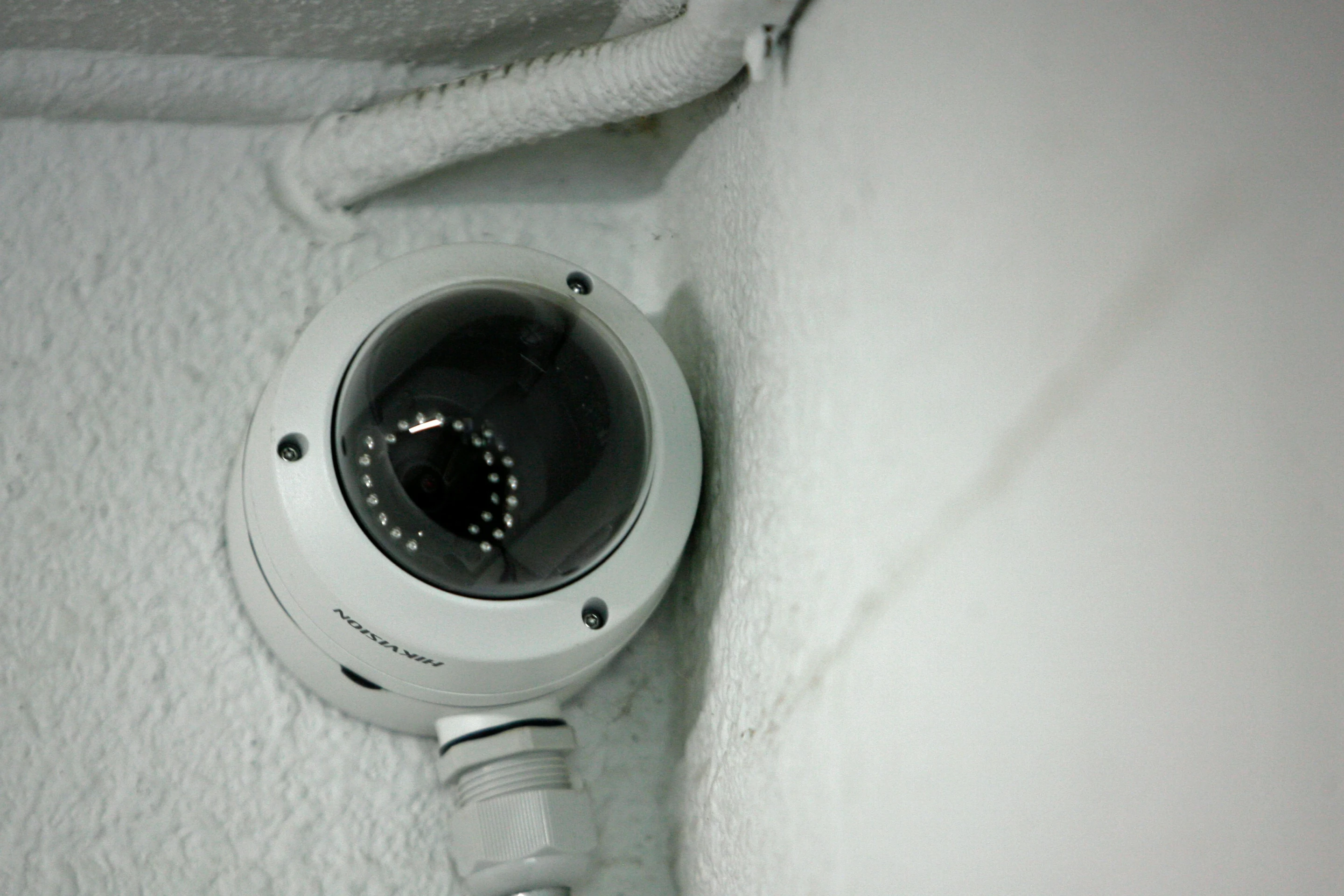
In response to these challenges, some correctional agencies have begun exploring continuous monitoring technologies designed to supplement traditional supervision. As administrators evaluate the best software solutions for detention facility oversight, the focus is increasingly on systems that introduce objective physiological or behavioral data into environments historically dependent on manual observation alone.
For executive leadership and risk managers, the value of these systems is not simply technological innovation. Instead, they provide additional operational visibility that can support:
- Earlier identification of medical deterioration
- Improved situational awareness for supervising staff
- Objective documentation during post-incident review
- Enhanced institutional defensibility during litigation and wrongful death lawsuit proceedings
Agencies exploring these capabilities can learn more about purpose-built wearable monitoring through OverWatch® and fixed-environment monitoring through OptiGuard™, both part of the 4Sight Labs Biometric Monitoring System.
Importantly, agencies implementing these systems are not replacing staff oversight. Rather, they are augmenting human supervision with additional data points that may signal emerging distress conditions.

Institutional Defensibility and Documentation
Beyond life-safety considerations, correctional administrators must also consider how operational decisions appear during post-incident review.
Courts, oversight bodies, and investigative panels increasingly examine whether agencies employed reasonable systems capable of identifying distress conditions before they escalated into critical incidents.
When institutions can demonstrate that their monitoring systems provided staff with timely visibility into detainee status, it strengthens the agency's ability to explain operational decisions and response timelines during external review, particularly in the context of wrongful death lawsuits or federal investigations.
For many detention leaders, the issue is no longer simply whether monitoring occurred, but whether sufficient operational visibility existed to identify risk before a crisis developed.
A Forward-Looking Approach to Custodial Duty of Care
The national conversation surrounding custodial duty of care continues to evolve as correctional agencies adapt to changing expectations from courts, oversight bodies, and the communities they serve.
For executive leadership, the central objective remains clear: ensuring that institutional systems are capable of identifying risk conditions early and enabling staff to respond effectively when they arise.
As agencies across the country continue evaluating monitoring strategies, many systems overseeing thousands of detainees are exploring how layered monitoring approaches may strengthen both safety outcomes and operational accountability.
Ultimately, the goal remains unchanged: protecting individuals in custody while safeguarding the integrity, professionalism, and defensibility of the institutions responsible for their care.
Correctional leaders interested in examining evolving custodial monitoring practices can explore additional operational resources through the 4Sight Labs Resource Center.