Automated Cell Checks

What Can Be Automated and What Must Stay Human
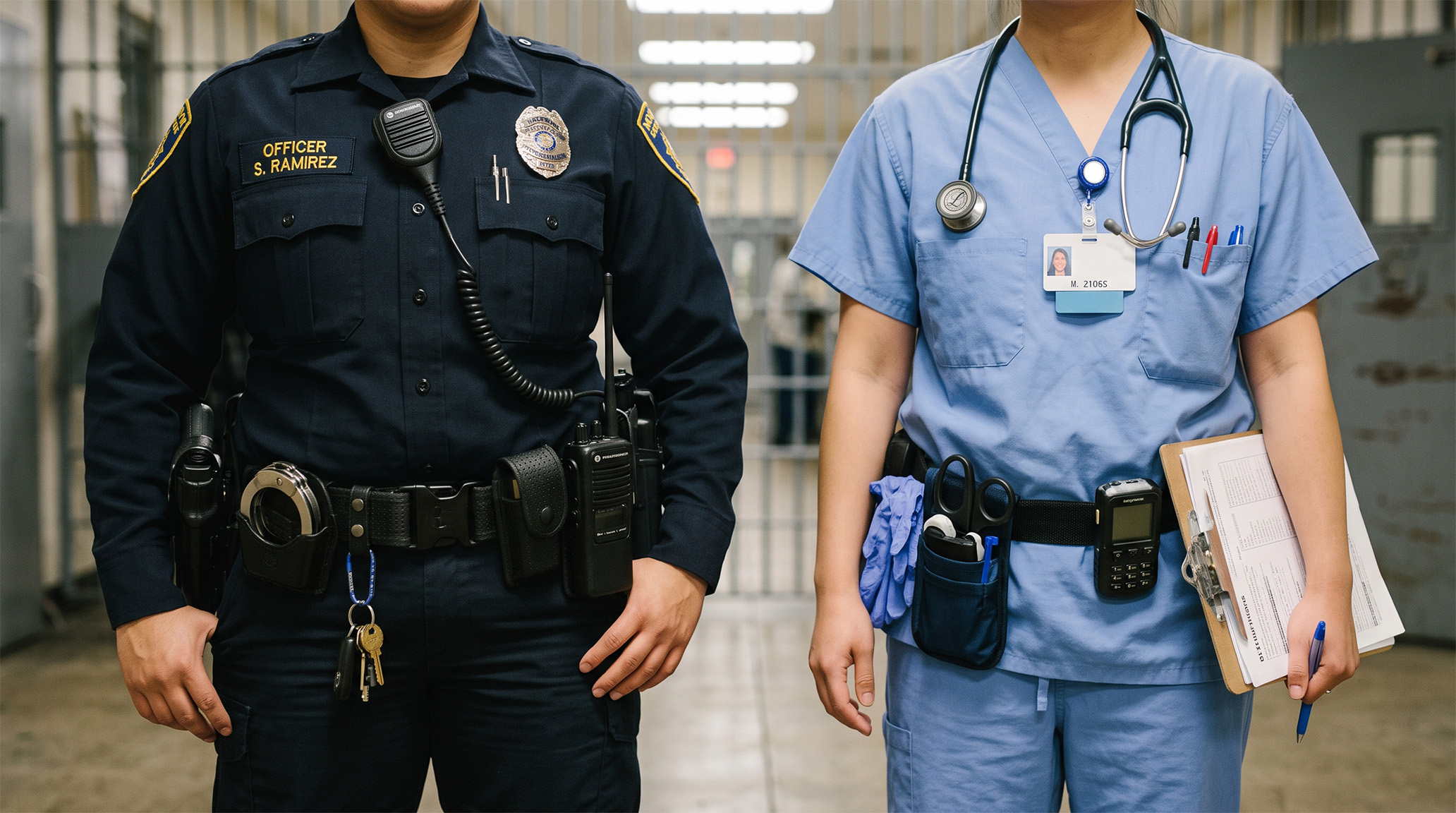
Automated cell checks don't remove the officer. Standards require a person at the door. What can be automated is everything around the check: recording that it happened, building a timeline of every cell visit, keeping watch on the cell between visits and prompting staff to go check when needed. All of it can run on the cameras a facility already has. OverWatch® and OptiGuard™ are not medical devices. They support staff awareness and documentation, and they don't replace required observation rounds.
What part of a cell check can be automated?
Administrators search for automated cell checks because rounds are a real burden. So it's worth being clear about what relief is actually available.
The observation itself can't be automated:
- ACA jail standards require an officer to personally observe every individual in custody at least every 30 minutes, on an irregular schedule.
- NCCHC jail standard B-05 requires close-observation checks by staff at unpredictable intervals no more than 15 minutes apart. NCCHC guidance says video can support these checks but can't replace them.
- Texas Administrative Code §275.1 says camera monitoring can't be used instead of personal observation. Our Texas jail standards compliance guide covers what TCJS requires.
Everything else can be automated:
- The record of the check. Who, when and which cell can come from the camera feed instead of a paper form.
- The timeline. Visits, meals and other staff interactions can be put in order by the system.
- The time between checks. The minutes no round covers can be watched continuously.
- The prompt for an extra check. It can come from the system instead of from luck.
Automating those parts cuts paperwork and adds evidence, without changing the requirement. Our guide to state jail observation compliance compares interval rules state by state.
Why is the record the right thing to automate?
The record is where cell checks fall apart in review, and it's the part officers like least. Automating it fixes both:
- Time stamps come from the system. Officers skip the end-of-shift catch-up, and nobody argues over handwriting in a deposition.
- The location is the cell, not the hallway. The record shows the officer at the door, which is what a reviewer asks about.
- Irregular timing is visible. A supervisor can see the pattern for a shift and fix a predictable rotation before an auditor flags it.
- Missed checks show up on their own. A cell with no visit inside the required interval is flagged, not discovered later
The Bureau of Justice Statistics counted 1,200 deaths in local jails in 2019, and almost 40% of those individuals had been held for one week or less. In reviews of those deaths, the finding is rarely that rounds weren't required. It's that the record couldn't show they were made. Our article on institutional liability in a custodial death case covers what investigators look at first.
How does 4Sight Labs automate cell checks?
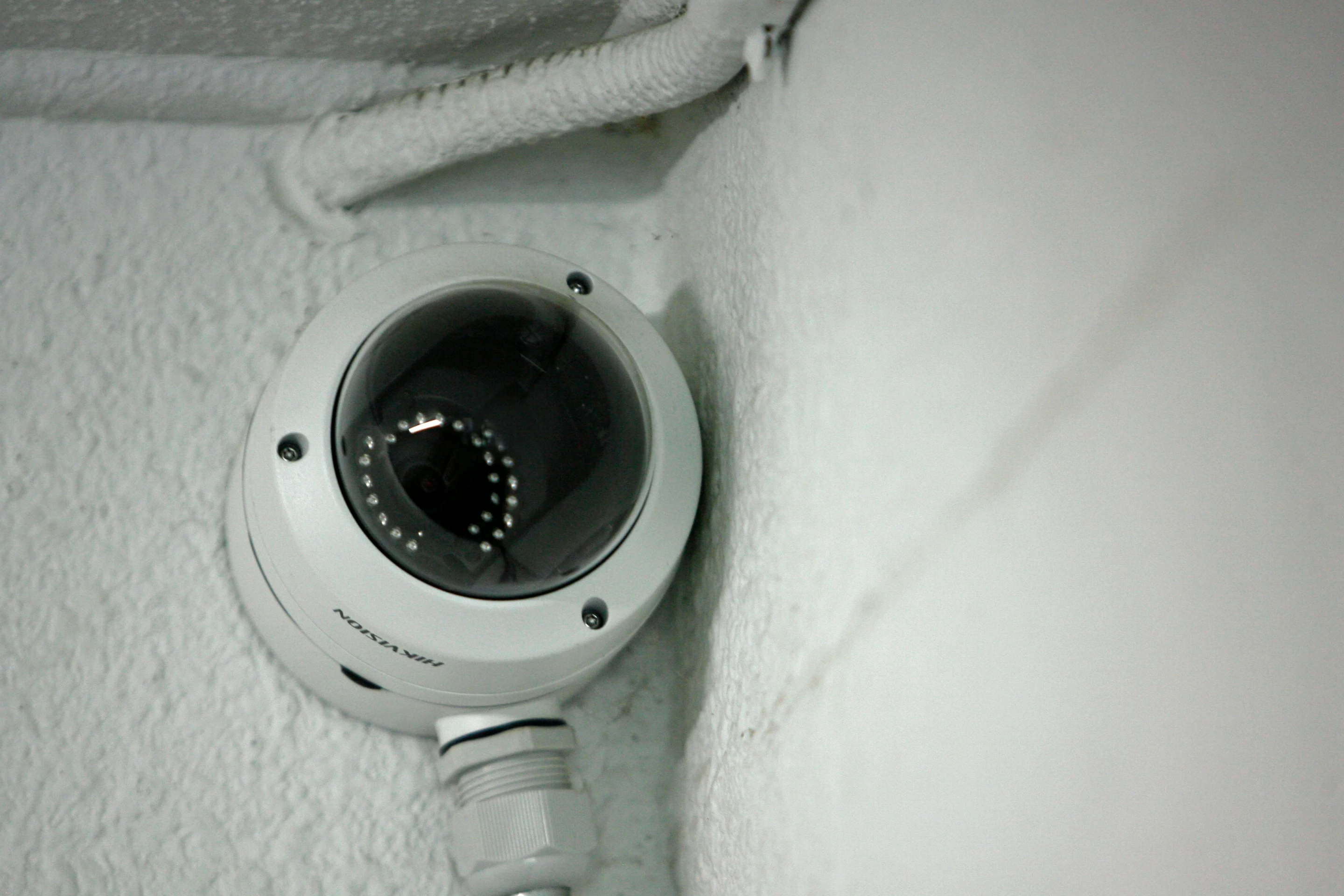
OptiGuard™ builds documentation on the camera system a facility already has. It runs inside the agency's secure network, stores no video in the cloud and needs no new camera hardware. It documents welfare checks, meal deliveries and other staff interactions at each cell. Those events become a clear timeline, with reports you can export and records ready for an audit. Officers make the round. The system writes it down.
Between rounds, OptiGuard™ applies Liveness-Detection™ to the camera feed, looking for motion, presence and subtle movement for up to four people per cell. When no motion is detected, it notifies staff to check the cell in person. OptiGuard™ has been live in active detention settings since 2026 and is patent pending. Learn more in what is Liveness-Detection™ in corrections.
OverWatch® brings the same idea to the individual. People the agency places on risk-based monitoring wear a wrist- or ankle-worn sensor. The sensor monitors biophysiological signals and motion, and its algorithms determine when a physical welfare check is needed. When that happens, staff get a notification to check on that person, so the check happens when it's needed instead of when the rotation comes around. Staff are never shown physiological values or trends.
Both products report to one command dashboard and connect with the jail management and records systems an agency already uses. Our how it works page shows the setup.
A few facts about 4Sight Labs:
- 70,000+ individuals monitored across 80+ agencies in 19 states, as of October 2026.
- 5M+ hours of monitoring data and 300+ agency-reported interventions, as of October 2026.
- Designed and assembled in the USA.
- SOC 2 audited, with the 2026 SOC 2 audit underway.
- An Axon technology partner since 2022.
What does an automated cell check program look like in policy?
Agencies that adopt automated cell checks usually write policy that:
- Restates the required interval and irregular timing for each classification, unchanged.
- Says the system documents and supports personal observation, and never replaces it.
- Explains how a missed interval flagged by the system is handled and reviewed in the same shift.
- Treats every system notification as a prompt for an immediate in-person check, documented as such.
- Sets rules for how long records are kept, automatic preservation after an incident and how records are exported.
For more on how rounds and continuous monitoring fit together, read observation rounds vs. continuous monitoring. To see automated documentation running on your own cameras, schedule a meeting with 4Sight Labs.
Frequently Asked Questions
Can cell checks be fully automated?
No. ACA, NCCHC and state rules like Texas §275.1 require personal, face-to-face observation and say video can't replace it. What can be automated is the record of each check, the watch between checks and the notification that prompts a check.
What does OptiGuard™ automate?
Using existing cameras, OptiGuard™ documents welfare checks, meal deliveries and other staff interactions as a clear timeline, with exportable, audit-ready records. Between rounds, it notifies staff to check the cell in person when no motion is detected.
Does automation add work for officers?
It takes work away. The record comes from the camera feed, so officers make the round and the system writes, time-stamps and files the entry. OptiGuard™ doesn't replace officer rounds. It supports them.
Do automated cell checks require new cameras?
No. OptiGuard™ works with the cameras a facility already has, inside the agency's secure network, with no video stored in the cloud.
Are OverWatch® and OptiGuard™ medical devices?
No. OverWatch® and OptiGuard™ are not medical devices and are not intended to diagnose, treat, cure, mitigate, predict or prevent any disease or condition. Staff are not shown physiological values. Notifications direct staff to do a physical welfare check under agency policy. The products don't replace staff judgment or required observation rounds.