Observation Rounds vs Continuous Monitoring

Monitoring in Custodial Settings
Supervising individuals in custody requires balancing observation practices, staff workload, and situational awareness within complex detention environments. As correctional facilities evaluate new monitoring technologies, many agencies are examining how traditional jail observation rounds compare with emerging continuous monitoring approaches.
The Role of Jail Observation Rounds in Custodial Supervision
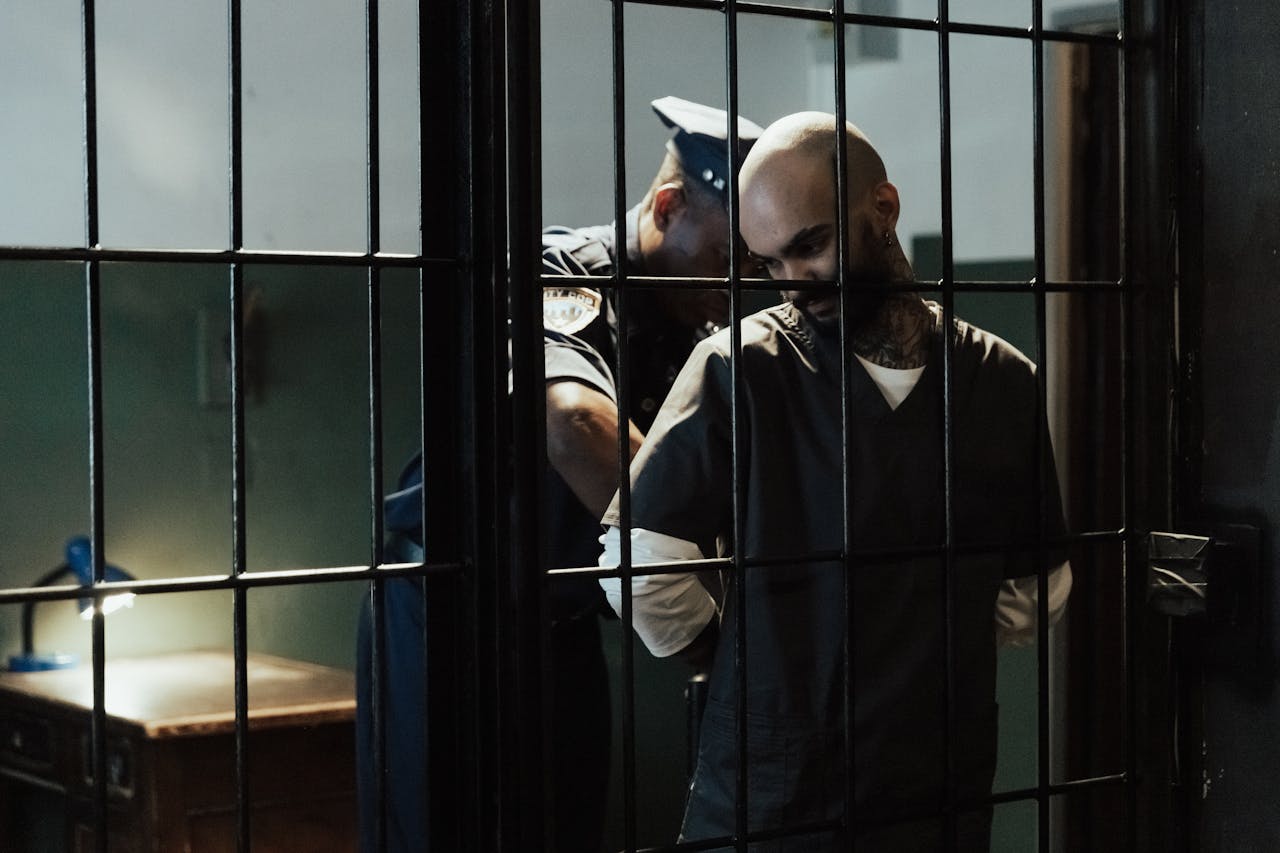
Observation rounds have long served as the foundation of detainee supervision in correctional facilities. Officers conduct periodic welfare checks in jail to verify detainee safety, identify potential risks, and maintain general awareness of activity within the facility.
These rounds may occur at different intervals depending on institutional policy and the status of the individual being monitored. Individuals placed on suicide watch, medical observation, or detox monitoring may require more frequent checks than those in standard housing environments.
Observation rounds provide an important layer of supervision by ensuring staff maintain a visible presence in housing areas. However, because these checks occur at intervals rather than continuously, they represent snapshots in time rather than a constant view of detainee conditions.
For detention leadership, the challenge often involves balancing observation frequency with staffing resources and operational demands across the facility.
Operational Pressures in Modern Detention Facilities
Detention facilities operate in dynamic environments where staff must supervise large populations while responding to multiple operational responsibilities.
Officers working within housing units may simultaneously manage:
- Detainee movement and supervision
- Documentation requirements
- Intake processing
- Communication with medical staff
- Incident response
Under these conditions, maintaining strict observation intervals across multiple housing areas can become operationally challenging. Facilities experiencing staffing shortages may face additional pressure as fewer officers are responsible for supervising larger detainee populations.
As a result, detention administrators continually evaluate how detainee supervision practices can provide sufficient visibility into detainee conditions while still remaining practical within the realities of daily operations.
Visibility Between Observation Intervals
One of the central considerations surrounding jail observation rounds involves the period between documented checks.
When incidents occur within custodial environments, such as medical emergencies, suicide attempts, or sudden physiological distress, investigators often examine the timeline leading up to the event. During these reviews, the period between observation rounds may receive particular scrutiny because limited information may exist regarding detainee conditions during those intervals.
Observation practices remain a critical component of supervision. However, correctional leaders increasingly recognize that certain high-risk environments, such as detox housing, medical observation units, or suicide watch placements, may benefit from additional forms of situational awareness.
This has led some agencies to explore monitoring technologies designed to supplement traditional observation practices rather than replace them.
Continuous Monitoring Technologies
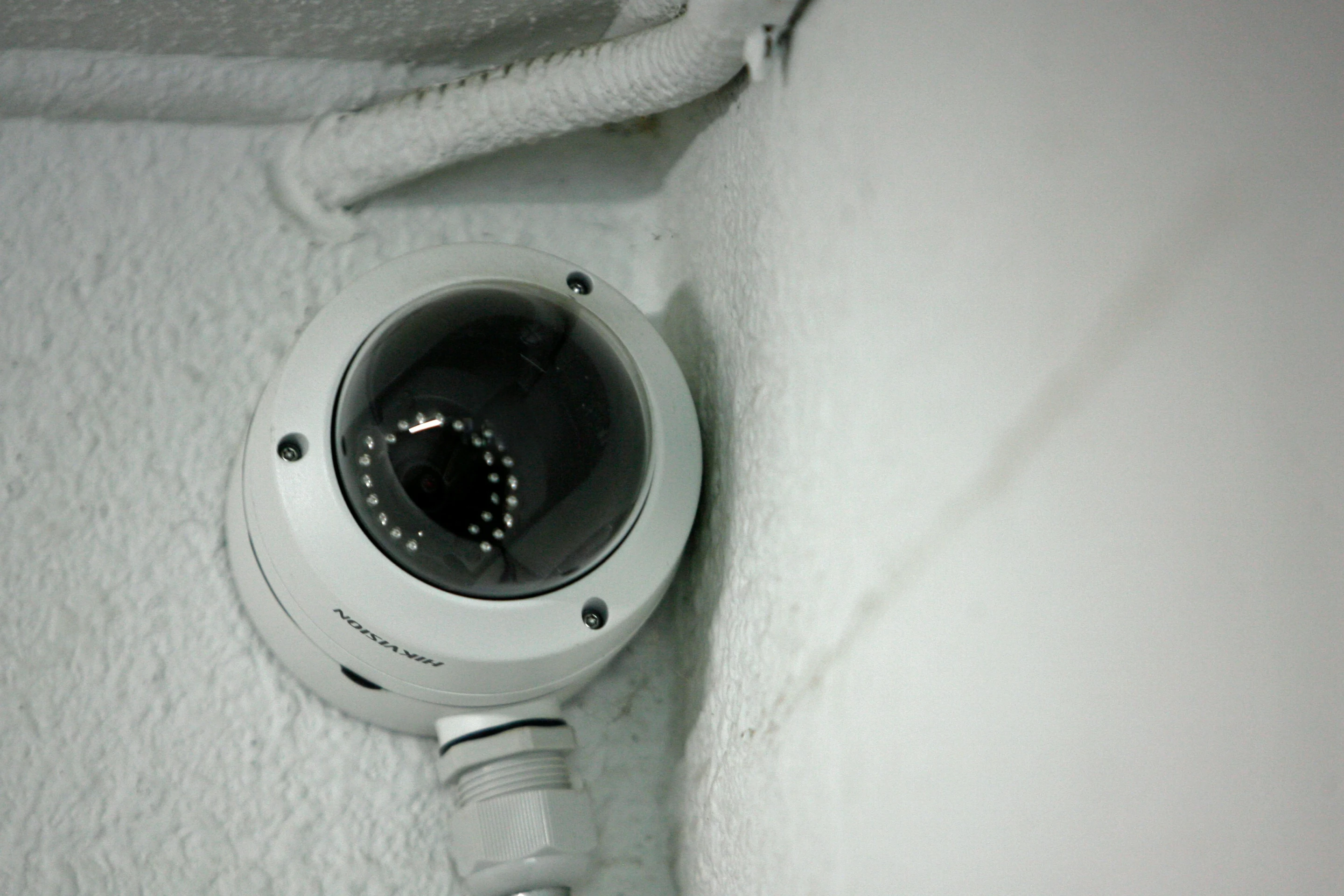
Continuous monitoring in detention facilities is designed to provide additional operational visibility during periods when staff may not be physically present within a housing area.
These technologies can include wearable biometric monitoring devices, environmental observation systems, and automated alert platforms designed to notify staff when physiological indicators or behavioral conditions change.
Wearable biometric monitoring systems such as OverWatch®, part of the Unified Correctional Biometric Platform developed by 4Sight Labs, are designed to monitor physiological indicators including heart rate, blood oxygen levels, and skin temperature. When abnormal patterns are detected, alerts can be generated to notify staff that additional attention may be required.
Similarly, fixed-environment observation technologies such as OptiGuard™ provide monitoring capabilities within housing environments where continuous visual awareness may be beneficial.
These technologies are not intended to replace staff supervision. Instead, they serve as an additional layer of awareness designed to complement traditional observation practices.
Operational Considerations for Detention Leadership
When evaluating supervision practices, correctional leadership must consider several operational factors.
These include:
- Staffing availability
- Detainee population risk levels
- Housing unit visibility
- Infrastructure limitations within the facility
- Documentation and oversight requirements
Because no single approach addresses every operational scenario, many agencies are exploring layered monitoring strategies that combine multiple forms of supervision.
In these models, staff observation rounds remain a central component of supervision while monitoring technologies provide additional situational awareness during periods between physical checks.
This layered approach allows agencies to maintain traditional custodial practices while also incorporating tools designed to enhance operational visibility.

The Evolution of Custodial Monitoring
As detention facilities continue adapting to changing operational demands and increasing oversight expectations, the conversation surrounding custodial monitoring is evolving.
Jail observation rounds will remain an essential component of detention supervision. However, many agencies are examining how emerging technologies can supplement traditional practices by providing earlier visibility into potential risk conditions.
The 4Sight Labs Biometric Monitoring System, which integrates wearable biometric monitoring through OverWatch® with fixed-environment monitoring capabilities through OptiGuard™, represents one example of how layered monitoring approaches are beginning to emerge within modern detention environments.
For detention leadership, the objective remains consistent: ensuring that individuals in custody are supervised effectively while maintaining operational systems capable of supporting staff awareness and institutional accountability.
Correctional leaders interested in learning more about monitoring strategies and custodial oversight practices can explore additional insights through the 4Sight Labs Resource Center.