

Correctional Technology Ecosystems Are Reshaping Institutional Accountability

A Changing Landscape for Detention Operations
Detention facilities operate within increasingly complex technology environments. As agencies adopt tools designed to strengthen operational visibility, the question has shifted from whether technology belongs in corrections to how different systems can work together to support institutional accountability.
Correctional agencies have historically managed supervision, documentation, and incident response through manual procedures and standalone systems. Observation rounds, paper logs, and radio communications formed the operational backbone of detention facilities for decades.
That foundation remains essential. However, the operational landscape surrounding it has changed considerably.
Federal oversight bodies, civil litigation involving wrongful death lawsuits, and evolving custodial duty of care expectations have placed increasing pressure on detention leadership to demonstrate not just that supervision occurred, but that institutional systems were capable of identifying and responding to risk conditions in a timely and defensible manner.
For many agencies, this shift has prompted a broader evaluation of how correctional technology can support, rather than replace, the operational practices already in place.
The Role of Technology Ecosystems in Corrections
Modern correctional technology does not operate in isolation. Purpose-built platforms are increasingly designed to integrate with the broader operational infrastructure already present in detention facilities, including staff communication systems, jail management software, and facility monitoring networks.
This ecosystem approach reflects a practical reality: agencies are not looking to replace existing systems. They are looking for tools that complement established workflows while adding new layers of operational visibility.
For detention leadership evaluating jail technology integration, the ability of a system to connect cleanly with existing infrastructure is often as important as the capabilities of the system itself.
Accountability Through Integration
One of the most significant developments in correctional technology has been the growing emphasis on integration between biometric monitoring, location tracking, and staff communication platforms. When monitoring systems operate within a connected ecosystem, they can provide agencies with a more complete operational picture during high-risk periods of custody. Alert data, location information, and staff response logs can be captured within a unified framework, creating a more comprehensive record of institutional actions during critical events.
For agencies managing post-incident investigations and deaths in custody investigations, this kind of integrated documentation can be particularly valuable. Investigators reviewing a critical incident benefit from the ability to cross-reference multiple data sources, rather than relying solely on manually recorded observation logs.
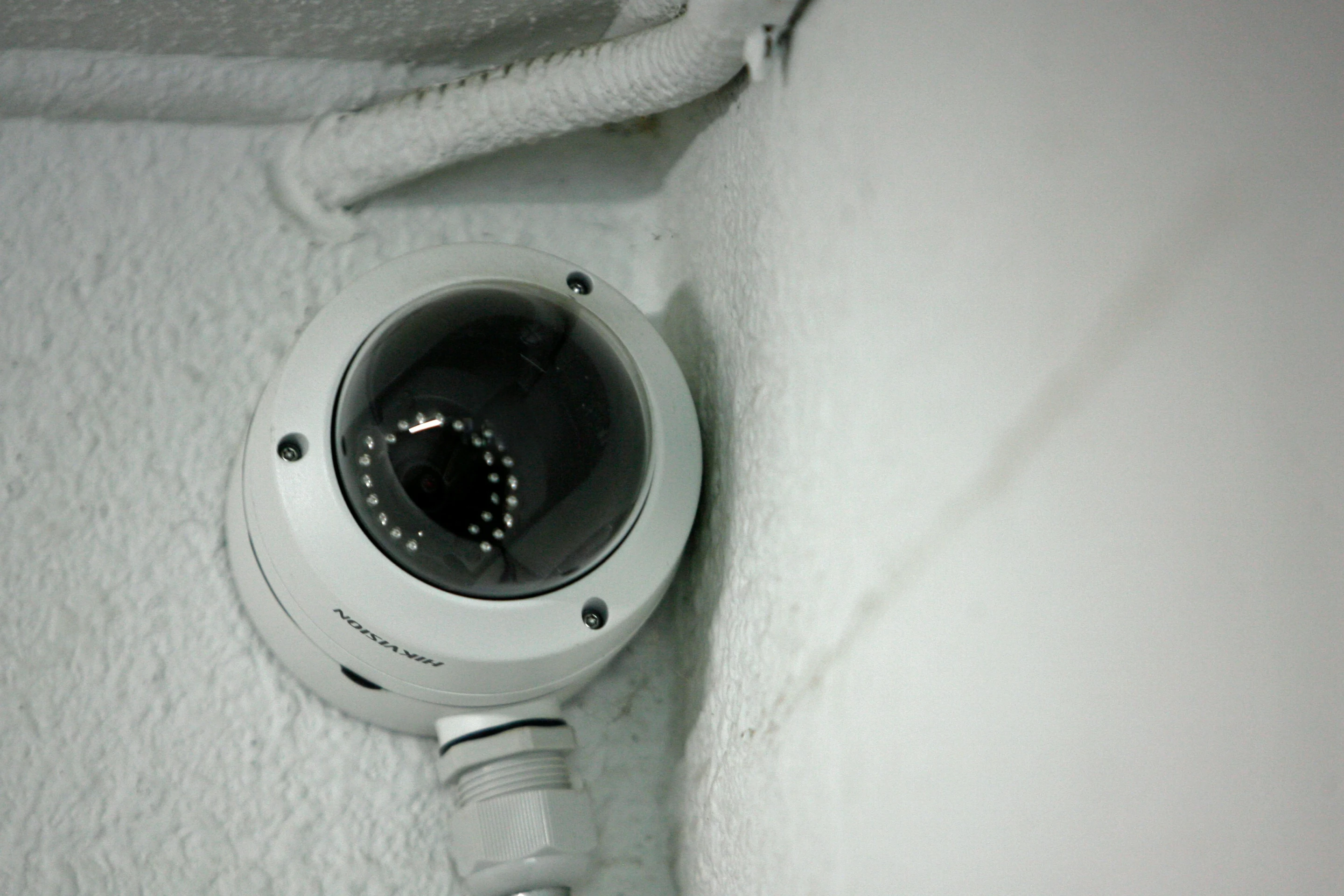
Purpose-built platforms such as OverWatch® are engineered specifically for correctional environments to support this kind of continuous awareness, while fixed-environment systems such as OptiGuard™ provide additional visibility within housing areas. Together, through the 4Sight Labs Biometric Monitoring System, these tools form a connected operational framework designed around the realities of detention supervision.

Ecosystem Partnerships and Institutional Credibility
The correctional technology sector has seen meaningful growth in formal ecosystem partnerships, where companies building purpose-built platforms for detention environments collaborate within broader public safety technology networks.
These partnerships carry institutional significance. When a corrections-focused technology platform is recognized within an established public safety ecosystem, it signals to detention leadership that the system has been evaluated against standards relevant to law enforcement and correctional environments.
4Sight Labs has operated within this ecosystem since its founding, having received investment from Axon in 2022 to develop OverWatch®, the company's flagship wearable biometric monitoring platform. 4Sight Labs is formally recognized as an Axon Ecosystem Partner, reflecting a shared commitment to operational integrity and innovation within public safety environments.
For agencies conducting procurement evaluations, the existence of these relationships can provide additional confidence that a technology solution has been designed and validated for operational use in correctional settings, rather than adapted from consumer or commercial applications.

What This Means for Detention Leadership
For sheriffs, jail administrators, and command staff evaluating monitoring technology, the ecosystem question is worth asking directly: how does this system connect with what we already have, and how does it strengthen our overall operational accountability framework?
The answers to those questions have a direct bearing on both the practical utility of a system and its value during post-incident review, litigation, or federal oversight investigations. Agencies that can demonstrate a coordinated, integrated approach to supervision and documentation are generally better positioned to explain institutional decisions clearly and defend operational timelines when scrutiny arises.
A Forward-Looking Consideration
As the correctional technology landscape continues to evolve, the conversation around institutional accountability will increasingly include questions about how agencies leverage connected systems to strengthen both operational awareness and defensibility.
For detention leadership, evaluating technology not just as a standalone tool but as a component of a broader operational ecosystem may represent one of the more consequential strategic decisions available to modern correctional administrators.
Correctional leaders interested in exploring how monitoring technology integrates within broader correctional operations can learn more through the 4Sight Labs Resource Center.



.jpg)