Inmate Body Sensor

Following the Individual Across Custody Spaces
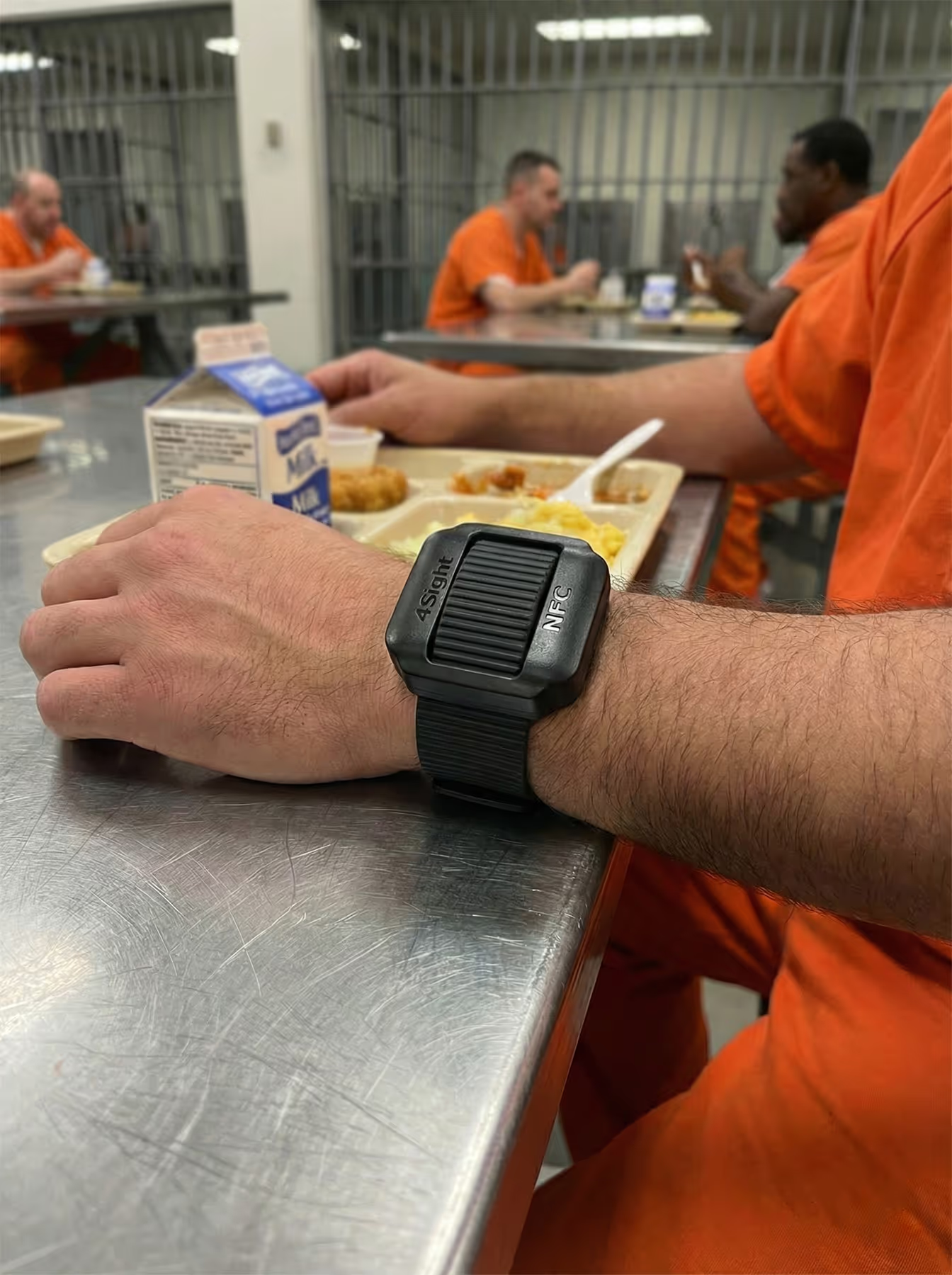
An inmate body sensor is a wrist- or ankle-worn device assigned to one individual. It adds biometric monitoring context for staff, while room-based camera awareness and required in-person checks remain part of the facility’s supervision process.
This discussion focuses on operational supervision considerations in custodial environments and is not intended to provide clinical or medical guidance. Medical decisions should always be directed by qualified medical professionals and applicable facility policies.
What body-worn monitoring means
The device follows an agency assignment through configured custody spaces.
At intake, or when an individual enters a monitored area, staff assign a wrist- or ankle-worn device under agency policy. OverWatch® provides continuous biometric monitoring, including heart rate and skin temperature, with motion as an additional monitoring context. The device assignment connects system notifications with the person in the agency’s workflow.
OverWatch® is 4Sight Labs’ wearable correctional monitoring system. Staff should record the device identifier, wearer, placement and housing area, then verify the assignment during transfers.
Compare wearable and environmental context
A body-worn assignment and a camera view provide different information.
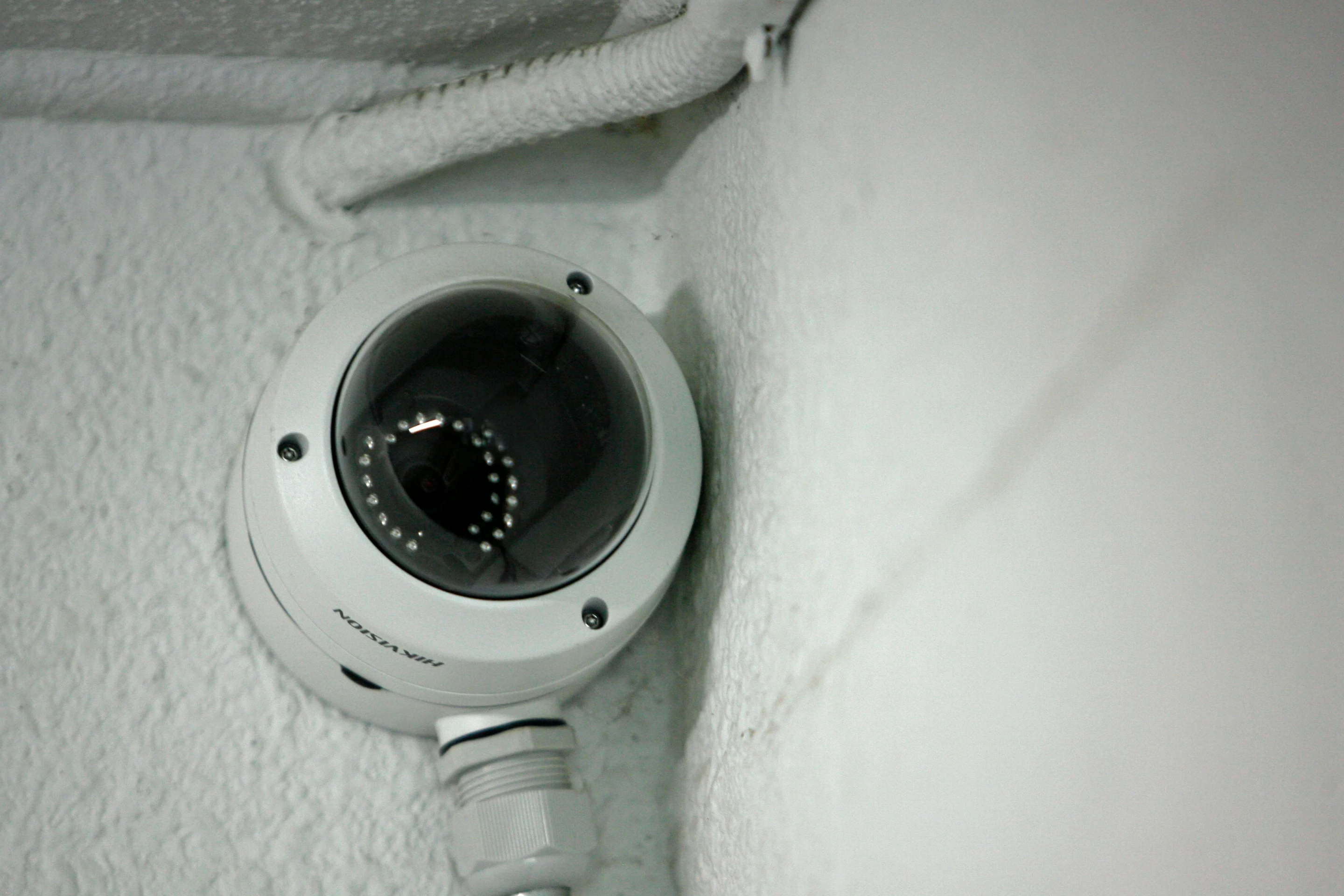
A wearable supports an individual assignment. A room-based camera view adds environmental context for its configured area. OptiGuard™ uses existing camera feeds with a dedicated on-premise appliance. Its Liveness-Detection™ feature supports awareness of motion, presence and subtle movement in configured views. It can support camera coverage for four or more occupants per cell, depending on the environment. OptiGuard™ is patent pending.
The camera view does not follow an assigned individual outside the configured view. Coverage depends on camera placement, installation and system availability. Both layers supplement required staff observation.
Connect a notification to an in-person check
Staff receive welfare-check notifications, and each alert and staff response is recorded.
System algorithms determine when a welfare check is needed. The notification directs staff to follow the facility’s procedure. It does not establish the reason for attention or choose a response. Staff conduct the check and document the action. Avoid interpreting biometric information as a diagnosis or professional determination.
Check the device and network during handoffs
Assignment, placement, charge and coverage all affect the workflow.
Staff should verify placement after issue and transfer, check device status and confirm that the assigned area has configured coverage. Facility layout and installation affect network performance. The wearable communicates with a facility router, and staff should use the agency’s documented fallback process when a device or connection is unavailable.
The band is engineered with 250 lb pull strength to resist tampering and has a listed 14-day battery life. As of October 2026, the reported device removal rate was 0.006%. These specifications do not guarantee uninterrupted monitoring or replace direct checks.
Keep the record operational
A response timeline supports review when staff complete the documented workflow.
OverWatch® supports notification and response timelines with zone context. OptiGuard™ can support structured event timelines and exportable reports for configured camera views. The agency should confirm which events its deployment captures and which details staff enter. Role-based access, retention, correction and sharing rules should be set by the agency. When policy permits, it may share its notification and response log with the provider. This does not imply an integration with a medical records system.
OverWatch® is within the scope of 4Sight Labs’ SOC 2 Type II audit. An audit is not a certification.
Evaluate the whole procedure
Procurement should follow the assignment and response from intake through review.
Ask how staff create an assignment, verify it during movement, receive notifications and document the in-person check. For the camera layer, review configured views and the process for unavailable feeds. A demonstration should show where staff act and which events the deployment records.
For a legal point of reference, Texas Administrative Code §275.1 requires documented face-to-face observation and says closed-circuit television cannot replace personal observation. This Texas example is not a universal standard or a compliance determination.
Frequently asked questions
Can a body sensor work in a shared cell?
The wearable remains associated with its assigned wearer. Staff should verify the assignment and conduct the required in-person check under agency policy.
Where is the device worn?
The device is wrist- or ankle-worn. Staff select placement under agency procedure and should verify it after issue or transfer.
Does a body sensor replace environmental observation?
No. The wearable follows an assigned individual, while camera-based monitoring can add room context. Neither replaces direct observation or the agency’s response procedure.
Are OverWatch® and OptiGuard™ medical devices?
OverWatch® and OptiGuard™ are not medical devices and are not intended to diagnose, treat, cure, mitigate, predict or prevent any disease or condition.
A body-worn device follows an individual assignment, while a camera layer describes a configured space. A clear workflow keeps staff response at the center. Explore the 4Sight Labs Resource Center.
Request a Demo to review the wearable and camera workflow.