Layered Monitoring in Detention Facilities: The Evolution of the Unified Correctional Biometric Platform
Layered Monitoring in Detention Facilities: The Evolution of the Unified Correctional Biometric Platform
Layered Monitoring in Detention Facilities: The Evolution of the Unified Correctional Biometric Platform
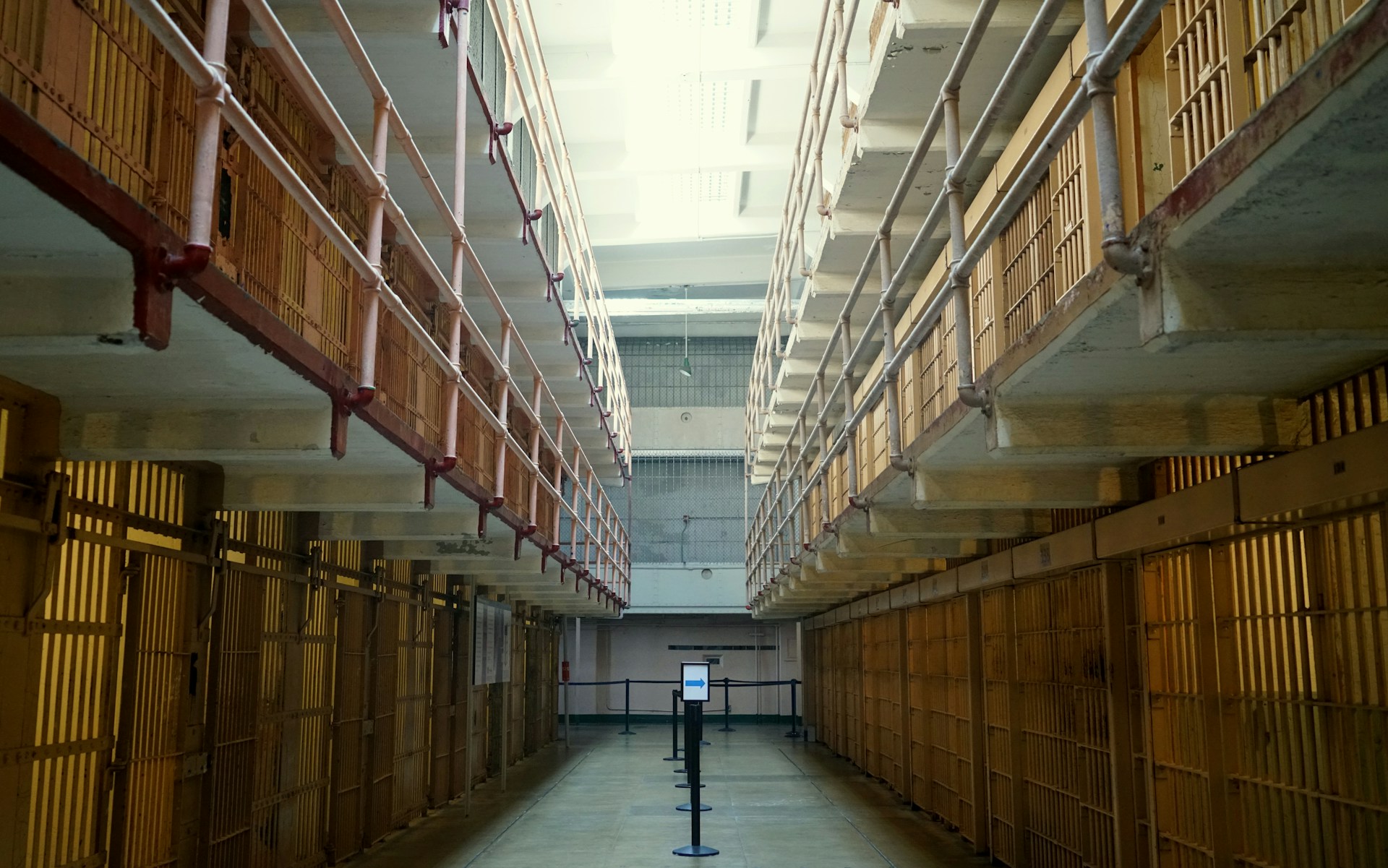
Detention facilities are complex operational environments where staff must supervise large populations while maintaining constant awareness of conditions within housing units. As correctional agencies evaluate monitoring technologies, many are shifting toward layered supervision models that combine traditional observation practices with systems designed to enhance operational visibility across detention facilities.
The Operational Demands of Custodial Supervision
Correctional officers working within detention facilities are responsible for supervising housing units, maintaining order, documenting activities, and responding to incidents that may arise during daily operations.
Observation rounds remain a fundamental component of custodial supervision. Officers routinely check housing areas to verify detainee welfare and ensure that facility policies are being followed.
However, detention environments operate continuously, and many situations can develop between observation intervals. When individuals are placed in higher-risk supervision categories—such as detox housing, behavioral observation, or restricted housing environments—maintaining situational awareness across housing units becomes increasingly important.
Because of these operational realities, many agencies are exploring additional monitoring tools designed to complement traditional supervision practices.
The Limits of Single-Layer Monitoring
Historically, most detention monitoring systems have relied on a single form of oversight.
Examples include:
• observation rounds conducted by officers
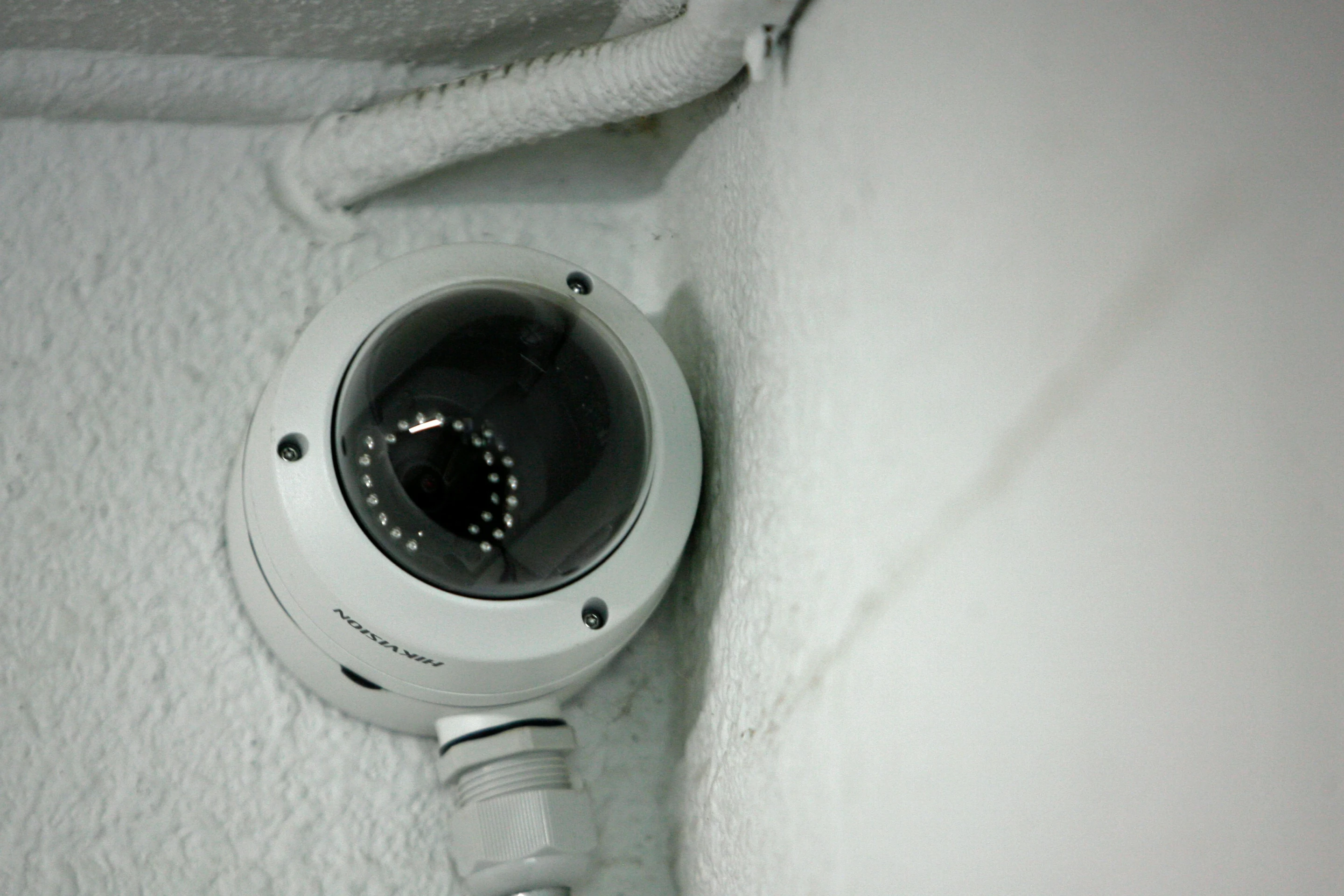
• camera surveillance systems
• wearable monitoring devices
• centralized alert systems
While each of these tools can provide valuable information, relying on only one monitoring layer may limit the visibility available to staff.
Wearable monitoring technologies, for example, may provide insight into physiological indicators and movement patterns. However, these systems must operate within the communication constraints of detention facilities.
Many consumer-based wearable systems rely on Bluetooth or Bluetooth Low Energy (BLE) communication protocols. These short-range signals are designed for low-power consumer environments and can struggle to maintain consistent connectivity through reinforced concrete and steel structures commonly found in detention facilities.
For correctional agencies evaluating jail monitoring technology, these infrastructure limitations highlight the importance of monitoring architectures designed specifically for custodial environments.
The Emergence of Layered Monitoring Strategies
As detention leadership evaluates monitoring technologies, a growing number of agencies are adopting layered monitoring strategies.
In a layered approach, multiple forms of supervision work together to create a more complete operational picture.
These layers may include:
• officer observation rounds
• facility camera systems
• wearable monitoring devices
• fixed-environment monitoring technologies
• integrated alerting platforms
Each layer contributes different forms of situational awareness. When combined, they allow detention staff to maintain visibility across housing units while continuing to rely on traditional supervision practices.
Rather than replacing existing procedures, layered monitoring systems are designed to strengthen overall custodial oversight.
Integrating Wearable and Environmental Monitoring
Modern monitoring strategies increasingly combine wearable technologies with environmental observation systems to enhance operational awareness within detention facilities.
Wearable monitoring platforms can provide insight into physiological and behavioral indicators associated with detainee activity. Environmental monitoring technologies, on the other hand, may observe movement patterns or conditions within fixed housing environments.
For example, wearable monitoring technologies such as OverWatch® collect biometric indicators from individuals and transmit information through communication infrastructure designed for detention environments.
Fixed-environment technologies such as OptiGuard™ monitor housing areas where direct staff observation may be limited by facility layout or operational demands.
When these systems operate together, they provide complementary forms of situational awareness that help staff maintain visibility across multiple supervision environments.
The Unified Correctional Biometric Platform
As layered monitoring strategies continue to evolve, some agencies are exploring integrated systems designed specifically for correctional environments.
The Unified Correctional Biometric Platform developed by 4Sight Labs represents one example of how multiple monitoring technologies can function together within a detention facility.
Within this framework:
• OverWatch® provides wearable biometric monitoring capabilities
• OptiGuard™ delivers fixed-environment monitoring within housing areas
• integrated alerting systems notify staff when conditions change
By combining multiple monitoring layers, platforms such as the Unified Correctional Biometric Platform are designed to support situational awareness while operating within the structural realities of reinforced detention facilities.
This approach reflects a broader shift toward monitoring architectures designed specifically for custodial environments rather than consumer or commercial applications.
Supporting Modern Custodial Oversight
Detention facilities continue to evolve as agencies respond to changing operational demands, staffing challenges, and increasing expectations for institutional accountability.
Traditional supervision practices such as observation rounds will remain central to custodial operations. However, many agencies are evaluating how monitoring technologies can supplement these practices by providing additional awareness across housing units.
Layered monitoring models—combining officer supervision with systems such as wearable monitoring and environmental observation technologies—represent one way detention leadership is approaching these challenges.
For correctional agencies evaluating inmate monitoring systems, the goal is not simply to deploy technology, but to ensure that monitoring solutions function reliably within the structural and operational conditions present inside detention facilities.
Correctional leaders interested in learning more about emerging monitoring strategies and custodial oversight practices can explore additional insights through the 4Sight Labs Resource Center.