Jail Safety Strategy

Staffing Challenges for High-Risk Supervision
Jail safety strategy is most tested where supervision demands are highest and staffing flexibility is lowest. For sheriffs, jail administrators, and executive command staff, that tension is most acute around high-risk detainees: individuals entering custody during detox, withdrawal, overdose concern, suicide watch, or behavioral instability who require a level of oversight that general staffing assumptions often cannot sustain. This discussion addresses operational supervision considerations in custodial environments. It is not intended to provide clinical or legal guidance.
How Chronic Understaffing Becomes a Structural Risk in Jail Safety Strategy
In many detention facilities today, understaffing is not a temporary disruption. It is a persistent operational condition. Officers cover multiple posts, units must be supervised with fewer personnel, and documentation must still be completed across the same shifts where unplanned events demand immediate response.
The risk this creates is not primarily that the facility lacks sufficient staff on a given day. The risk is that leadership may not have adjusted the oversight model to reflect those realities on every day.
A supervision framework built around ideal staffing levels may still be officially in place while the conditions that made it achievable no longer exist. When high-risk detainees are managed under those outdated assumptions, the institution may be carrying more exposure than leadership realizes, and that exposure often remains invisible until a serious event surfaces it.
Why Jail Safety Strategy Must Bridge Policy and Operational Reality
Jail safety strategy at the leadership level requires direct engagement with the gap between what the facility's policies expect and what its current staffing conditions can realistically support.
That gap tends to matter most in high-risk housing environments. Detainees placed in detox observation, suicide watch, or medical holding may be assigned to units where supervision expectations are heightened, but where staffing levels are the same as or lower than in general population areas.
This is not simply an operational inconvenience. It is a risk multiplier. When supervision expectations exceed what staffing conditions can consistently deliver, the institution may be depending on a level of awareness that is difficult to maintain in practice and difficult to defend when a gap later comes under review.
How Smart Prioritization Strengthens Jail Safety Under Staffing Pressure
Strong jail safety strategy does not require resolving every staffing shortfall before making meaningful progress. It requires honest prioritization: identifying where staffing limitations create the greatest custodial exposure and directing structure, attention, and operational safeguards toward those areas first.
Not all detainee populations carry the same supervision demand. High-risk placements, including individuals in active detox, under overdose concern, on suicide watch, or those who are behaviorally unstable, represent a disproportionate share of the facility's liability exposure. Leadership decisions about how to concentrate available oversight capacity around those populations are among the most consequential safety decisions command staff make.
That prioritization should be visible in housing decisions, observation interval standards, escalation expectations, and documentation requirements, not just in policy language, but in how daily operations are actually structured.
How Staffing Pressure Erodes Documentation Quality and Increases Liability
One of the most consistent patterns in post-incident custody reviews is the deterioration of documentation quality under staffing pressure. When officers are covering expanded areas with fewer colleagues, documentation often becomes the task most susceptible to shortcuts: rounds logged without behavioral observations, wellness checks recorded without detail, status changes not captured until the next shift.
That documentation weakness compounds risk in two ways. First, it reduces the institution's situational awareness of detainees whose condition may be changing. Second, it weakens the agency's ability to demonstrate meaningful oversight when a serious event comes under review.
Jail safety strategy must account for this reality. Documentation standards that depend on staffing conditions that no longer exist consistently are not operational. Leadership must evaluate whether the facility's documentation expectations are achievable under the actual shift conditions officers are working.
How Monitoring Technology Strengthens Jail Safety Without Adding Staff Burden
Technology is not a substitute for adequate staffing. But in facilities operating under persistent staffing constraints, purpose-built monitoring systems can meaningfully extend situational awareness in high-risk housing without placing additional manual burden on staff.
Wearable biometric monitoring systems such as OverWatch®, part of the Unified Correctional Biometric Platform developed by 4Sight Labs, continuously monitor heart rate, blood oxygen (SpO₂), skin temperature, and motion. Officers receive alerts when biometric values shift outside established thresholds, providing a form of awareness that functions between scheduled rounds, regardless of how many individuals a single officer is covering.
With a device removal rate of less than 0.01% across more than 50,000 monitored individuals and 99.99% system uptime across more than 80 facilities nationwide, OverWatch® has demonstrated that continuous monitoring remains operational even under the sustained physical demands of custodial environments.
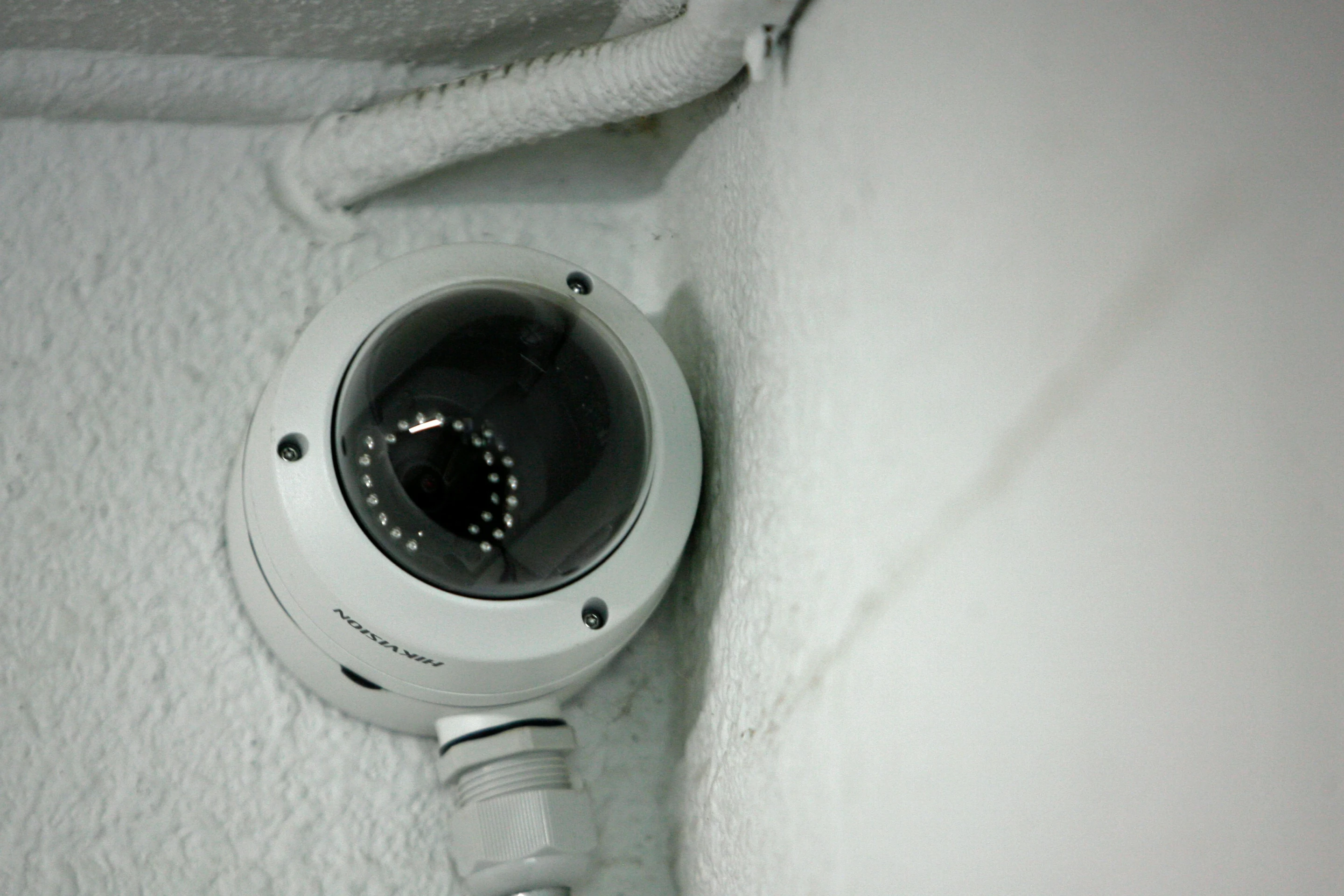
Fixed-environment systems such as OptiGuard™ extend situational awareness into individual cells using existing camera infrastructure, detecting movement patterns and liveness indicators without requiring officers to access every space between rounds.
Why Operational Alignment Is the Foundation of Custodial Defensibility
When a serious custodial event is reviewed externally by oversight bodies, legal counsel, or courts, the institution is evaluated not only on whether staff were present, but on whether leadership had realistically aligned its supervision model with both the risk profile of the population and the capacity of the staffing environment.
Facilities that had made deliberate adjustments to account for staffing constraints, concentrating oversight on the highest-risk placements, deploying monitoring technology in those areas, and maintaining consistent documentation standards even under pressure, are consistently better positioned to demonstrate that their safety strategy was credible and operational, not aspirational.
For sheriffs and executive command staff, that alignment is what makes jail safety strategy real. It does not require perfect staffing. It requires honest evaluation, deliberate prioritization, and an oversight model built around the conditions that actually exist.
Correctional leaders seeking additional resources on jail safety strategy and high-risk detainee supervision can explore the 4Sight Labs Resource Center.