Managing Intake Risk: The First 24 Hours in Detention

Managing Intake Risk: The First 24 Hours in Detention
The first 24 hours of confinement are among the highest-risk periods in detention. Learn how facilities manage intake supervision, housing placement, and early monitoring.
The moment an individual enters custody, the clock starts on one of the most operationally complex periods in the entire arc of detention. The first 24 hours are when medical vulnerabilities are most unknown, when withdrawal can begin accelerating, and when supervision systems face the sharpest test of their reliability. Getting this period right is not just a safety issue. It is an institutional accountability issue.
This discussion focuses on operational supervision considerations during intake and is not intended to provide clinical or policy guidance.
Why the First 24 Hours Carry Disproportionate Risk
For many detention facilities, the period immediately following booking represents the highest-risk window in the custody timeline. Individuals entering custody may be experiencing substance withdrawal, acute emotional distress, behavioral instability, or underlying medical conditions that were not visible or disclosed during the booking process.
This combination of unknown factors is precisely why detention housing supervision during the intake period demands more than a standard observation schedule. The variables are dynamic, the information is incomplete, and the consequences of a missed indicator can be severe.
National data on in-custody deaths consistently identifies the early period of confinement as a particularly vulnerable time. This pattern has driven increasing attention from federal oversight bodies, civil litigants, and correctional health organizations on how facilities structure supervision and monitoring during intake and early housing.
The Intake Process: Screening, Classification, and Placement
Effective detention risk management during intake begins before an individual ever reaches a housing unit. The booking process typically involves identification, screening, classification, and housing determination, with an emphasis on identifying individuals who may require closer supervision.
Intake screening procedures, shaped by guidance from organizations such as the American Correctional Association and the National Institute of Corrections, are designed to flag indicators of medical vulnerability or behavioral risk. However, these screening processes have inherent limitations.
Individuals entering custody do not always disclose substance use. Withdrawal symptoms may not be apparent during initial booking. Behavioral distress may not manifest immediately. A screening protocol, however thorough, captures a single point in time. The conditions that determine risk may not have surfaced yet.
This is the core challenge for intake classification staff: making housing placement decisions based on incomplete and rapidly evolving information, where the cost of underclassification can be a preventable death.
Observation During Early Confinement: What the System Provides
Once an individual is placed in intake observation housing, suicide watch, or a detox monitoring unit, correctional officers assigned to those areas begin the observation work that supports inmate supervision in jail environments.
Observation rounds during this period serve multiple functions. They provide periodic welfare checks and responsiveness confirmation. They create documented records that may later be reviewed during incident investigations. They give officers an opportunity to escalate concerns to medical or supervisory staff.
The limitation, as with all interval-based supervision, is the gap. Between observation checks, conditions can change. Withdrawal can progress. Physiological distress can develop. And if there are no additional systems in place to detect those changes between rounds, the first indication of a problem may be the discovery of a medical emergency during the next scheduled check.
Monitoring Technology During the Intake Window
The recognition that interval-based supervision creates unavoidable gaps has led many detention agencies to evaluate wearable monitoring technology as a supplement to observation rounds during the intake period.
Wearable biometric systems such as OverWatch®, part of the Unified Correctional Biometric Platform developed by 4Sight Labs, are designed to be applied at or near intake, providing continuous monitoring in jail environments from the earliest hours of confinement. These systems track physiological indicators including heart rate, blood oxygen levels (SpO₂), skin temperature, and motion, generating a notification directing staff to check on the individual. Staff are not shown thresholds or raw values.
The early application window matters. The value of a wearable monitoring system is maximized when it is in place before a crisis develops. Agencies that apply monitoring devices at intake can provide staff with biometric awareness throughout the entire early confinement period, including the hours when withdrawal is most likely to begin accelerating.
OverWatch® uses LoRaWAN long-range wireless technology, engineered to maintain consistent signal transmission through the steel and concrete structures typical of secure detention facilities.
Jail Detox Monitoring: A Specific Operational Priority
Within the broader category of intake risk, jail detox monitoring represents one of the most operationally significant challenges facilities face. Individuals entering custody with active substance dependence, particularly involving alcohol or opioids, can experience withdrawal progressions that move from early discomfort to life-threatening distress within hours.
Alcohol withdrawal carries a particularly serious risk profile, with severe cases involving seizures, cardiovascular instability, and altered mental status. Opioid withdrawal, while generally less immediately life-threatening, still carries significant medical and behavioral risk within a custody environment where staff may not have the clinical context to recognize escalation.
Post-incident reviews involving withdrawal-related deaths consistently evaluate whether staff had sufficient visibility into detainee condition to recognize deterioration in time to intervene.
Layered Awareness During the Most Vulnerable Window
The most effective intake supervision model combines structured observation rounds with continuous biometric monitoring and, where appropriate, fixed-environment monitoring technologies.
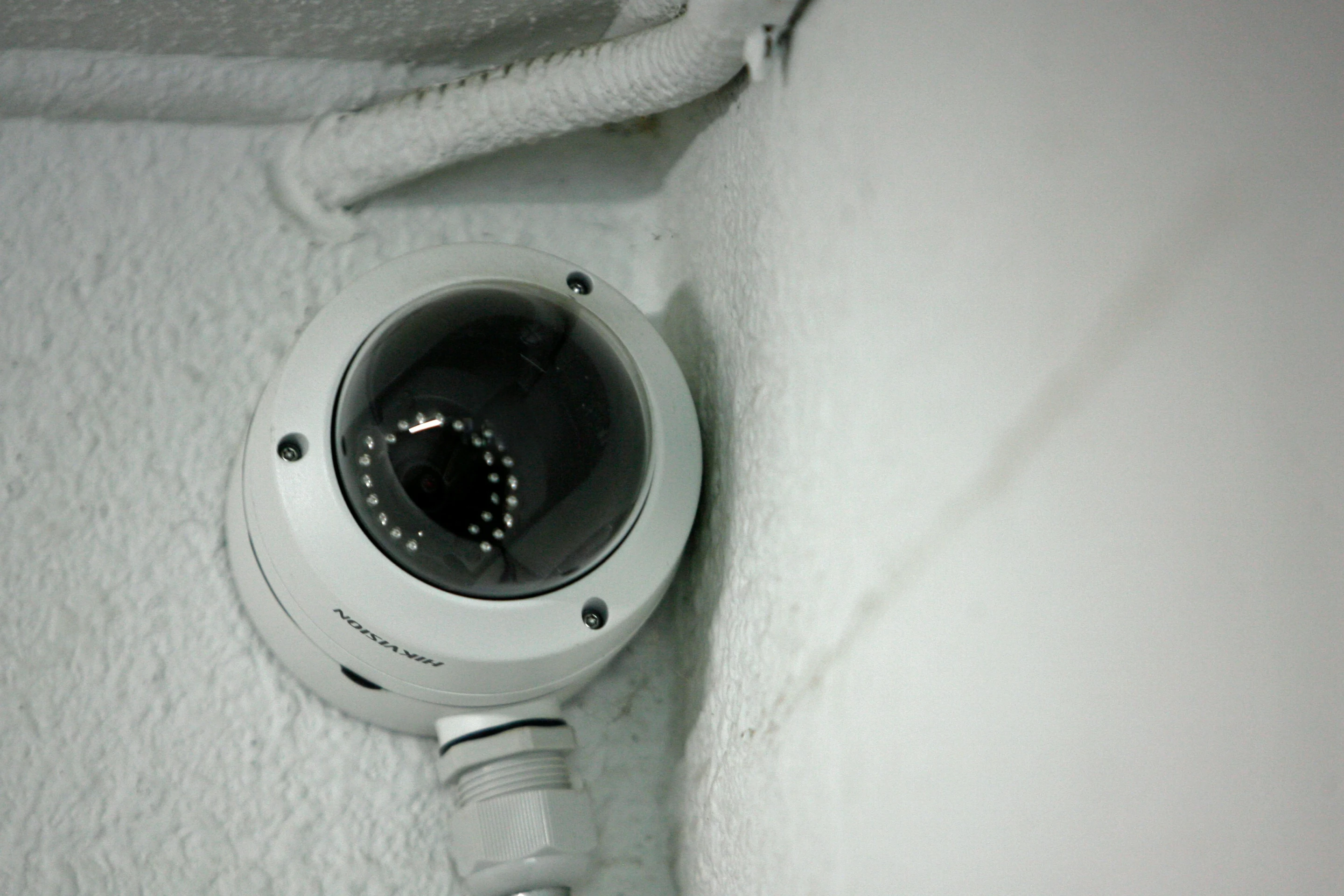
Fixed-environment systems such as OptiGuard™ use existing camera infrastructure to provide continuous liveness detection within housing cells, observing movement and breathing patterns without requiring new hardware. When deployed alongside OverWatch®, these technologies provide complementary coverage: OverWatch® tracking what is happening physiologically, OptiGuard™ tracking what is happening visually within the cell environment.
Together, these layers create a supervision foundation that addresses the gap between observation rounds without replacing the judgment of the officers conducting them.
Institutional Accountability Starts at Intake
From a liability and documentation perspective, the intake period is where institutional accountability either begins to be built or begins to be eroded. Facilities that can demonstrate a systematic approach to early risk identification, structured observation, and continuous biometric monitoring during the first hours of confinement are in a fundamentally stronger position when incidents are reviewed.
With OverWatch® currently monitoring more than 50,000 individuals in custody across more than 72 jails in 18 states, agencies have demonstrated that this layered approach is operationally viable at scale.
Correctional leaders seeking additional resources on intake supervision practices and jail monitoring technology can explore the 4Sight Labs Resource Center.