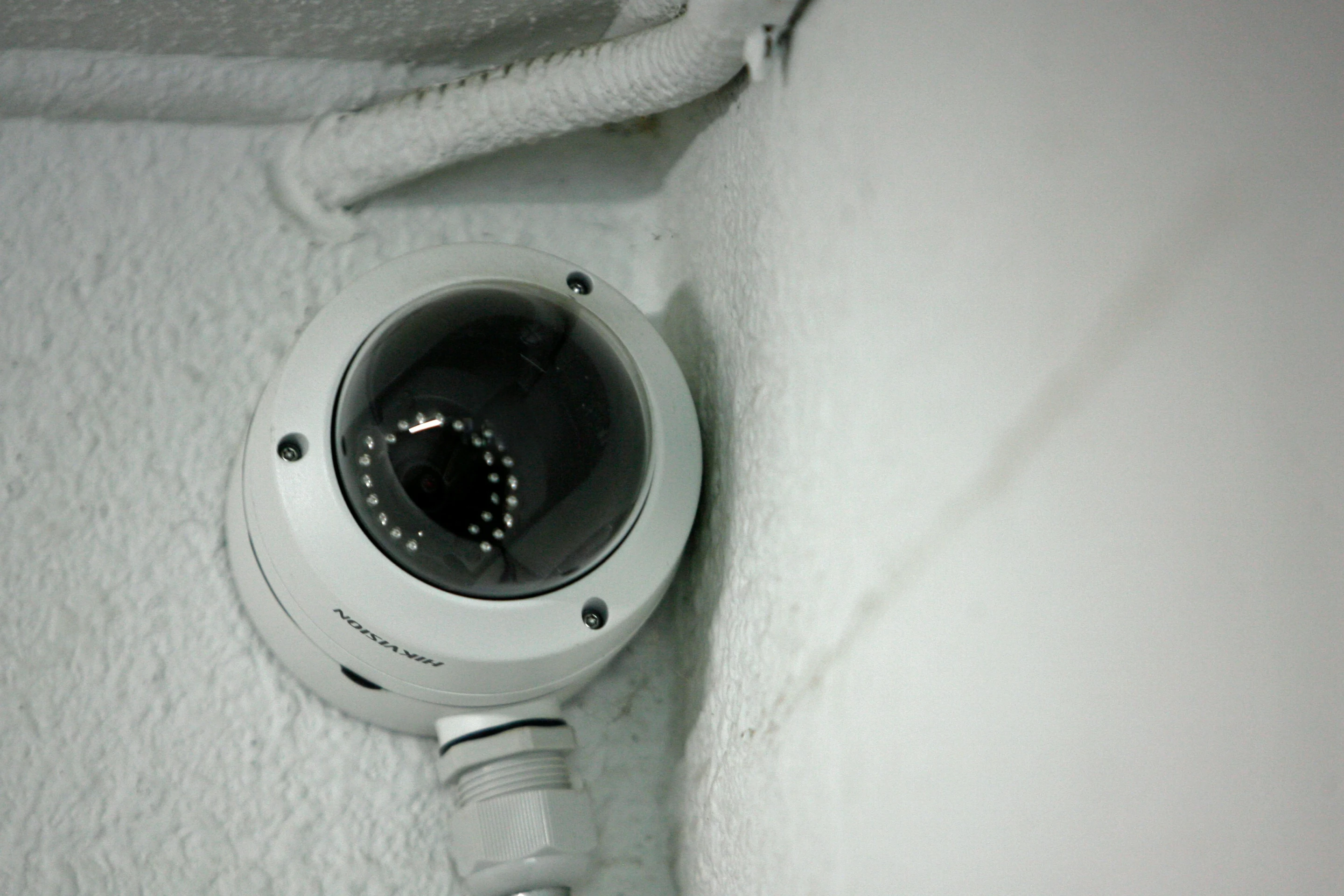
Evaluating Jail Monitoring Technology
.jpg)
A Leadership Framework for High-Risk Oversight
For sheriffs, jail administrators, and executive command staff, evaluating jail monitoring technology is no longer simply a procurement decision. It is a leadership decision tied directly to how the facility manages high-risk detainees, supports staff awareness, and positions itself for accountability when serious events are later reviewed.
The Right Framework for Evaluating Jail Monitoring Technology
Technology evaluation in detention settings often begins with the wrong question. Asking what looks innovative or which systems peer agencies have adopted places emphasis on adoption trends rather than operational fit.
The correct starting question is: what specific supervision challenge does this technology need to solve?
In high-risk custody settings, including detox, withdrawal, overdose concern, suicide watch, and behavioral instability, the underlying challenge is usually awareness and documentation. Condition can change after intake and after placement. Staff visibility may be limited by facility design, shift demands, or staffing levels. The documentation of what staff knew and when may not hold up to post-incident scrutiny.
A monitoring system that genuinely addresses those problems has operational value. One that adds technical complexity without improving awareness where it matters most does not.
Why Wireless Architecture Determines Whether Jail Monitoring Actually Works
The most consequential variable in any jail monitoring deployment is not the sensor itself. It is the communication infrastructure carrying alert data from the device to the staff member who needs to act on it.
Consumer wireless protocols such as Bluetooth and Bluetooth Low Energy (BLE) are engineered for short-range communication in open environments. Inside reinforced detention facilities, with concrete walls, steel security doors, and multi-tier housing structures, these protocols frequently lose signal reliability and require dense networks of additional hardware to compensate.
OverWatch®, part of the Unified Correctional Biometric Platform developed by 4Sight Labs, uses LoRaWAN long-range wireless architecture engineered to penetrate steel and concrete. Hundreds of sensors operate across a facility with only a small number of routers, providing coverage without extensive additional infrastructure. A full technical comparison of monitoring architectures is available on the 4Sight Labs Key Monitoring Features page.
When evaluating any monitoring system, leadership should ask directly: what wireless protocol does this use, and has it been validated inside facilities with the same structural conditions as ours?
When to Deploy Jail Monitoring Technology for Maximum Operational Impact
In high-risk custody settings, the operational value of any monitoring system is shaped significantly by when it is deployed. A system applied only after distress becomes visible is already operating reactively.
Early deployment, at or near intake for detainees with known risk factors, provides staff with continuous biometric awareness across the full early confinement window: the period when withdrawal symptoms, overdose complications, and behavioral deterioration are most likely to emerge. Monitoring deployed at booking creates the lead time that supports earlier intervention and earlier documentation.
For facilities that have adopted wearable monitoring, a device removal rate of less than 0.01% across more than 50,000 monitored individuals demonstrates that early deployment is operationally viable even in high-acuity custodial populations.
How to Evaluate Jail Monitoring Technology for Real-World Conditions
Technology that performs well in a demonstration may not perform the same way inside a working detention facility. Leadership should evaluate any monitoring system against the actual operational conditions of the facility: its physical structure, staffing model, documentation workflow, and the specific housing areas where high-risk detainees are placed.
Key evaluation criteria for correctional leadership:
- Does the wireless architecture maintain consistent coverage across the facility's reinforced structures?
- Can the system be deployed and maintained without significant infrastructure changes or ongoing technical burden on facility staff?
- Does the alert pathway support timely staff response, or does it introduce delays through complex routing dependencies?
- Does the documentation produced by the system support a defensible institutional record: timestamped alert logs, wellness check records, and escalation timelines?
- Has the system been validated in actual correctional environments, not only commercial or clinical settings?
How Biometric Alerts Fit Into a Correctional Supervision Model
In a disciplined custodial oversight model, biometric-driven alerts should not be treated as confirmed emergencies with every trigger. In many cases, an alert appropriately prompts a wellness check, closer staff engagement, or a documented observation, not an immediate crisis response.
That is not a limitation of the system. It is a reflection of what meaningful oversight looks like in practice.
The value of continuous biometric monitoring is that it supports earlier awareness of conditions that may warrant attention or escalation, before a gap in visibility allows risk to compound. The alert is the prompt. The response, and the documentation of that response, is where institutional credibility is built.
Leadership should ensure that staff are trained to understand this distinction and that the monitoring system is evaluated not by whether every alert reflects a critical event, but by whether it supports a more structured and documented approach to high-risk detainee oversight.
Integrating Jail Monitoring Technology Into Your Facility's Oversight Framework
Monitoring technology has strategic value only when it strengthens the facility's broader framework for managing elevated-risk custody. It cannot serve as a substitute for sound housing decisions, clear escalation pathways, appropriate observation intervals, or staffing structures that reflect the demands of high-risk placements.
For command staff, this means evaluating any monitoring system not in isolation, but as a component of the full oversight model: how it integrates with observation practices, how it supports documentation, how it connects to medical communication, and whether it reduces or increases operational burden on staff.
The strongest systems support the team. They reduce the cognitive load of tracking multiple detainees across a shift, create clearer documentation with less effort, and bring conditions to staff attention before they reach crisis threshold. When evaluated against that standard, rather than feature lists or marketing language, the choice of monitoring technology becomes a more grounded leadership decision.
Correctional leaders seeking additional resources on technology evaluation and custodial monitoring can explore the 4Sight Labs Resource Center.