Detainee Safety and Welfare Monitoring in the First Days of Custody

Detainee Safety and Welfare Monitoring in the First Days of Custody
For a pretrial population, safety and welfare monitoring starts at booking. Staff know the least about a person in the first days of custody, so continuous awareness and a clear record need to be in place from intake onward.
OverWatch® and OptiGuard™ are not medical devices. They support staff awareness and documentation. They do not replace required observation rounds.
Why do the first days of custody need closer oversight?
Jails take in a steady flow of people the facility does not yet know.
Local jails reported 7.9 million admissions from July 2023 to June 2024, according to the Bureau of Justice Statistics 2024 preliminary data release. Most people held at midyear 2024 had not been convicted, and many stays are short. That volume means staff have little history to go on in the first hours. A program built for this population starts the record at intake, before the first night.
Who decides who is enrolled at intake?
Enrollment is an agency custody and housing decision.
The agency sets written criteria for which individuals wear a sensor. Staff apply those criteria at intake, alongside the facility's existing screening. The provider can give input. Placements typically include intake, heightened-observation status and other high-risk placements. Issuing the sensor before the individual leaves booking means coverage begins with the stay.
What does the wearable add between rounds?
OverWatch® prompts a welfare check when one may be needed.
OverWatch®, 4Sight Labs' correctional monitoring system, uses a wrist-or ankle-worn sensor that monitors biometric signals. System algorithms determine if a welfare check is needed. Staff receive welfare-check notifications, and each alert and staff response is recorded. Agency policy governs what happens next.
How do holding cells fit in?
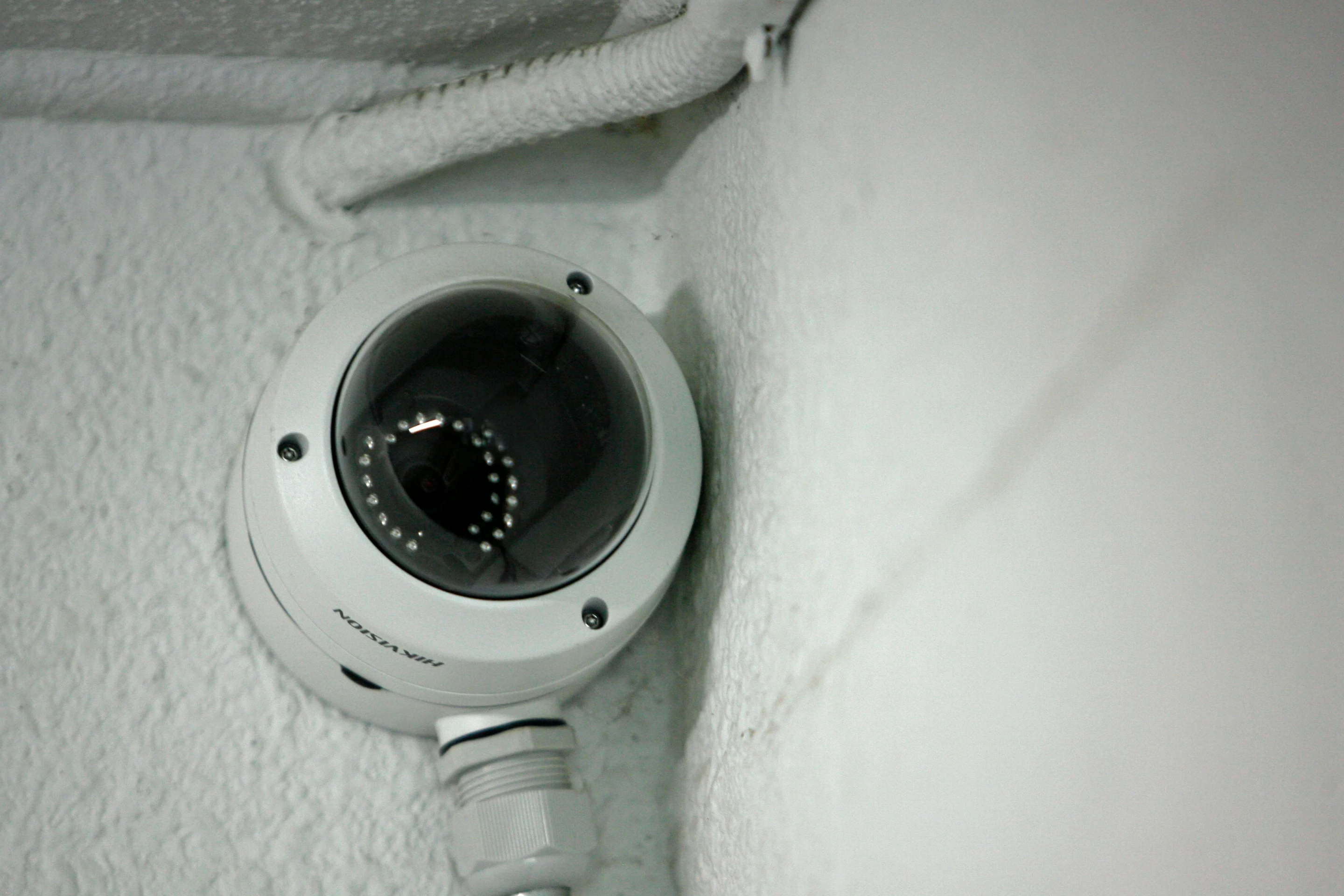
OptiGuard™ adds a camera-based layer using cameras the facility already has.
OptiGuard™ is 4Sight Labs' camera-based Liveness-Detection™ system. It runs on existing IP cameras through a dedicated on-premise appliance. It analyzes motion, presence and subtle movement for four or more occupants per cell, depending on the environment. When no motion is detected, it notifies staff so they can check in person. There are no changes to the cameras or the video management system. Video is processed on site, with no cloud video storage. OptiGuard™ is patent pending.
What does the first night look like?
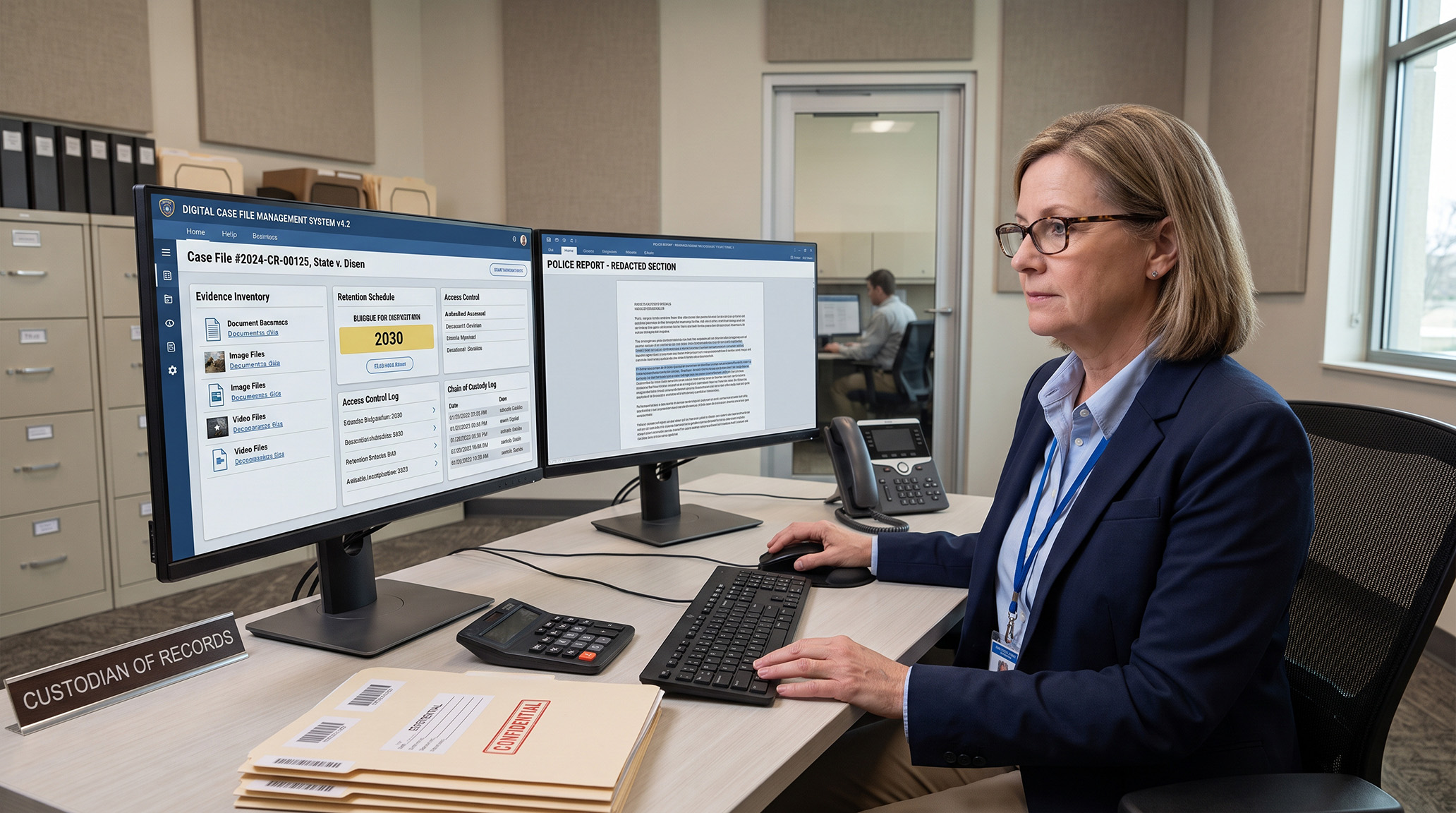
The record shows each notification and each documented response, in order.
The individual is in holding or first-night housing. Officers run rounds at the policy interval across a full intake. If OverWatch® or OptiGuard™ notifies staff, the assigned officer checks on the individual and documents the response. Any call to the provider follows the agency's procedure. The record supports post-incident review.
What should agency policy cover?
Clear ownership keeps the program consistent across shifts.
- Enrollment criteria are set by the agency and applied at intake, with provider input.
- The sensor is issued before the individual leaves booking.
- Custody leadership defines notification routing and the expected staff response.
- The agency decides who can view the notification and response log, with access limited by role.
Safeguards and limitations
Each capability comes with a limit agencies should plan around.
- Continuous monitoring can prompt a welfare check between rounds. It does not replace required observation rounds, and some concerns may not generate a notification.
- Enrollment at intake starts coverage sooner. Coverage depends on the agency's criteria and on staff issuing the sensor.
- OptiGuard™ notifies staff when no motion is detected. Camera placement and cell layout affect what it can see.
- Time-stamped records support review. Their completeness depends on system availability and staff documentation.
Frequently Asked Questions
What does safety and welfare monitoring look like for people held pretrial?
It pairs the agency’s intake process and required rounds with continuous awareness from a sensor issued at booking. Staff receive welfare-check notifications, and each alert and staff response is recorded.
Who decides which individuals wear a sensor?
The agency. Enrollment is a custody and housing decision made at intake, and the provider can give input.
What does the wearable monitor?
OverWatch® uses a wrist-or ankle-worn sensor that monitors biometric signals. System algorithms determine if a welfare check is needed.
Are OverWatch® and OptiGuard™ medical devices?
OverWatch® and OptiGuard™ are not medical devices and are not intended to diagnose, treat, cure, mitigate, predict or prevent any disease or condition.
More operational guidance is available in the 4Sight Labs Resource Center.