Detainee Monitoring System

Built for the Hours After Booking
A detainee monitoring system covers the stretch of custody when staff know the least about a person. It pairs a wearable for higher-risk placements with camera-based monitoring in holding cells, and one dashboard keeps the record from intake onward.
OverWatch® and OptiGuard™ are not medical devices. They support staff awareness and documentation. They do not replace required observation rounds.
Why does a pretrial population need its own approach?
Most people in local jails have not been convicted, and turnover is high.
Local jails held about 657,500 people at midyear 2024, according to the Bureau of Justice Statistics 2024 preliminary data release. About 69% of that population was unconvicted. A short average stay means a constant stream of new arrivals. The monitoring program has to start at the door and keep up with that turnover.
What happens at intake and in holding?
The record starts in the booking area.
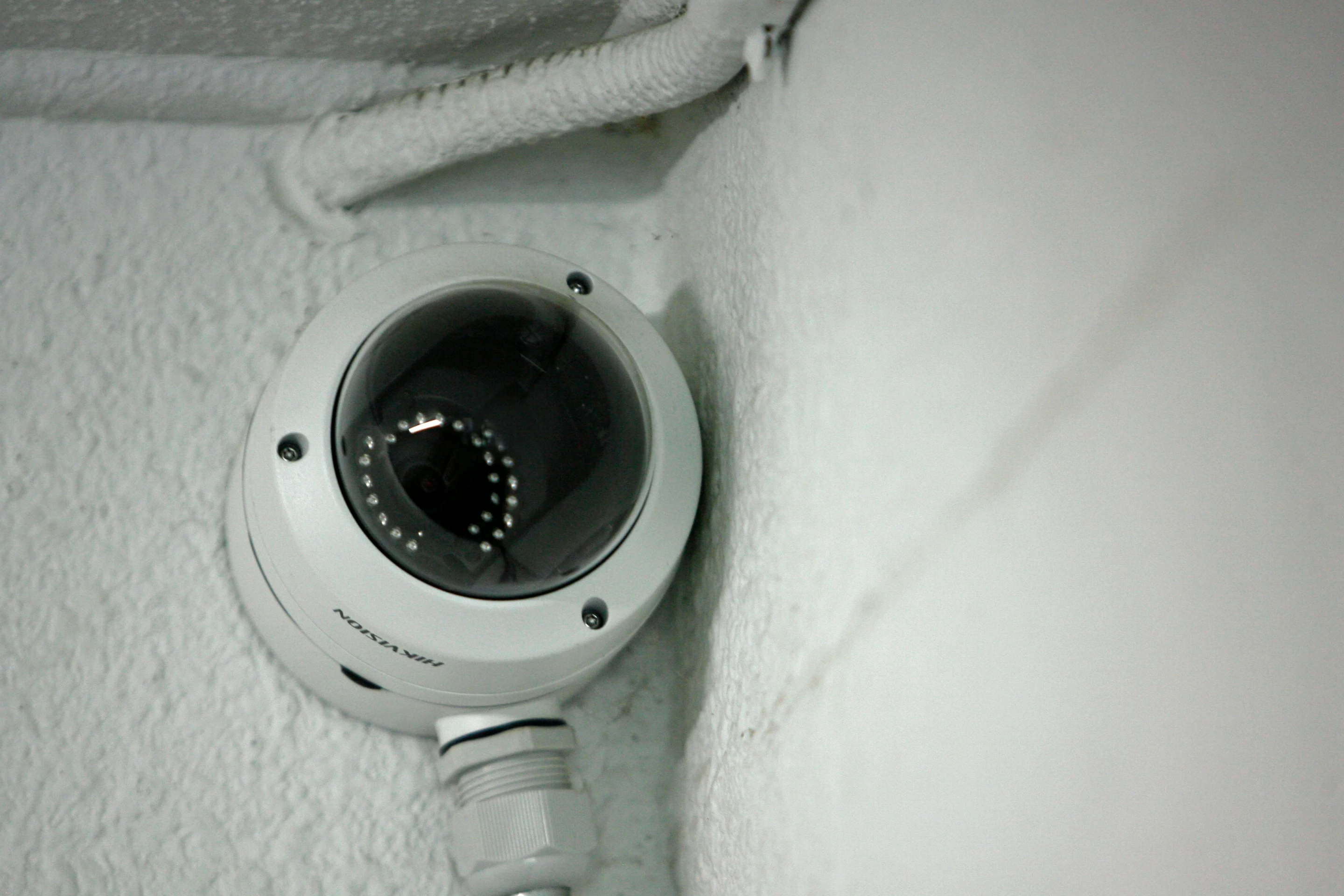
Holding cells and booking areas usually have cameras already. OptiGuard™ is 4Sight Labs' camera-based Liveness-Detection™ system. It runs on existing IP cameras through a dedicated on-premise appliance. It analyzes motion, presence and subtle movement for four or more occupants per cell, depending on the environment. When no motion is detected, it notifies staff on the dashboard so they can check in person. There are no changes to the cameras or the video management system, and no cloud video storage. OptiGuard™ also documents welfare checks and meal deliveries, so the booking record begins as a time-stamped log.
How does the wearable fit a short-stay population?
Enrollment is an agency custody and housing decision made at intake.
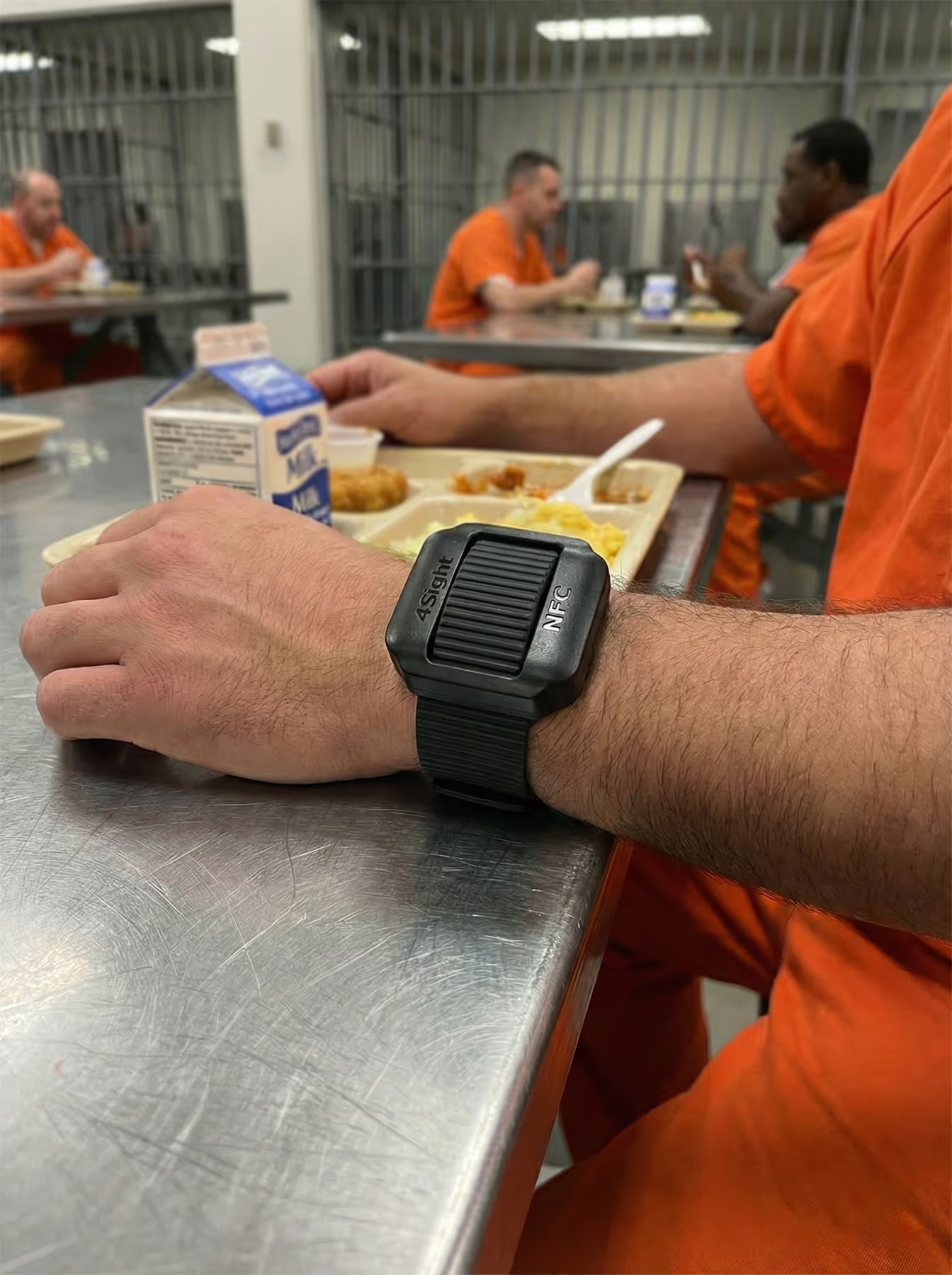
The provider can give input. Deployments are based on agency policy and the population's risk profile. OverWatch®, 4Sight Labs' correctional monitoring system, uses a wrist-or ankle-worn sensor that monitors biometric signals. System algorithms determine if a welfare check is
needed. Staff receive welfare-check notifications, and each alert and staff response is recorded. When an individual is released, the sensor comes off and returns to inventory under agency procedure. Battery-status notifications help staff manage inventory.
How does the dashboard handle high turnover?
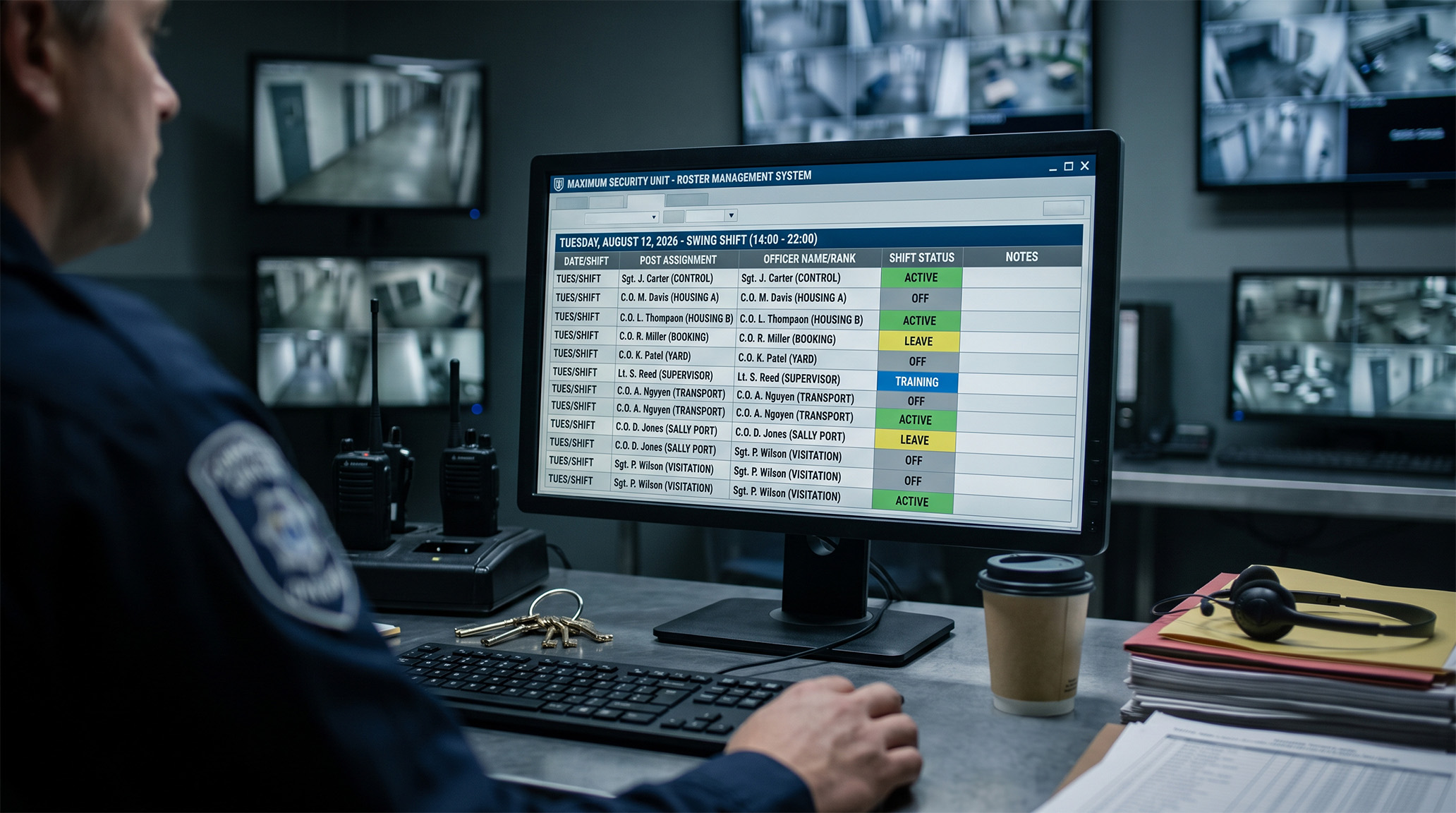
One command-level dashboard keeps booking and housing staff on the same record.
OverWatch® and OptiGuard™ share a single command-level dashboard. Each alert and staff response is recorded. When an individual is released, the record remains available for post-incident review. Agency procedures govern access and retention.
How does it support intake screening?
Screening decisions stay with the people who make them.
The system makes no determination about the person. It supports staff awareness while the individual is new to the facility. The agency sets enrollment criteria and notification routing, with provider input where appropriate. The agency can share its notification and response log with its provider, with access limited by role.
What does a sheriff need to justify it?
The case rests on existing cameras and risk-based deployment.
Booking and holding areas already have cameras, and OptiGuard™ uses them. A wearable program can be aligned with the agency's placement criteria. The system supports awareness and documentation, while required rounds and staff response remain in place.
Safeguards and limitations
Each capability comes with a limit agencies should plan around.
- Camera-based monitoring in holding prompts a check when no motion is detected. Camera placement and cell layout affect what it can see.
- The wearable adds awareness for enrolled individuals. Individuals without a sensor rely on rounds and camera coverage.
- Notifications prompt a welfare check between rounds. They do not replace required observation rounds, and some concerns may not generate a notification.
- Time-stamped records support review. Their completeness depends on system availability and staff documentation.
Frequently Asked Questions
What is a detainee monitoring system?
A wearable-plus-camera system for pretrial and short-stay custody. It prompts staff to conduct welfare checks and documents each response from intake onward.
Why focus on the hours after booking?
Staff know the least about a person during that time. Monitoring and documentation begin at intake.
How many people in local jails are held pretrial?
Bureau of Justice Statistics preliminary data shows about 69% of the local jail population was unconvicted at midyear 2024, out of roughly 657,500 people held.
Are OverWatch® and OptiGuard™ medical devices?
OverWatch® and OptiGuard™ are not medical devices and are not intended to diagnose, treat, cure, mitigate, predict or prevent any disease or condition.
More operational guidance is available in the 4Sight Labs Resource Center.