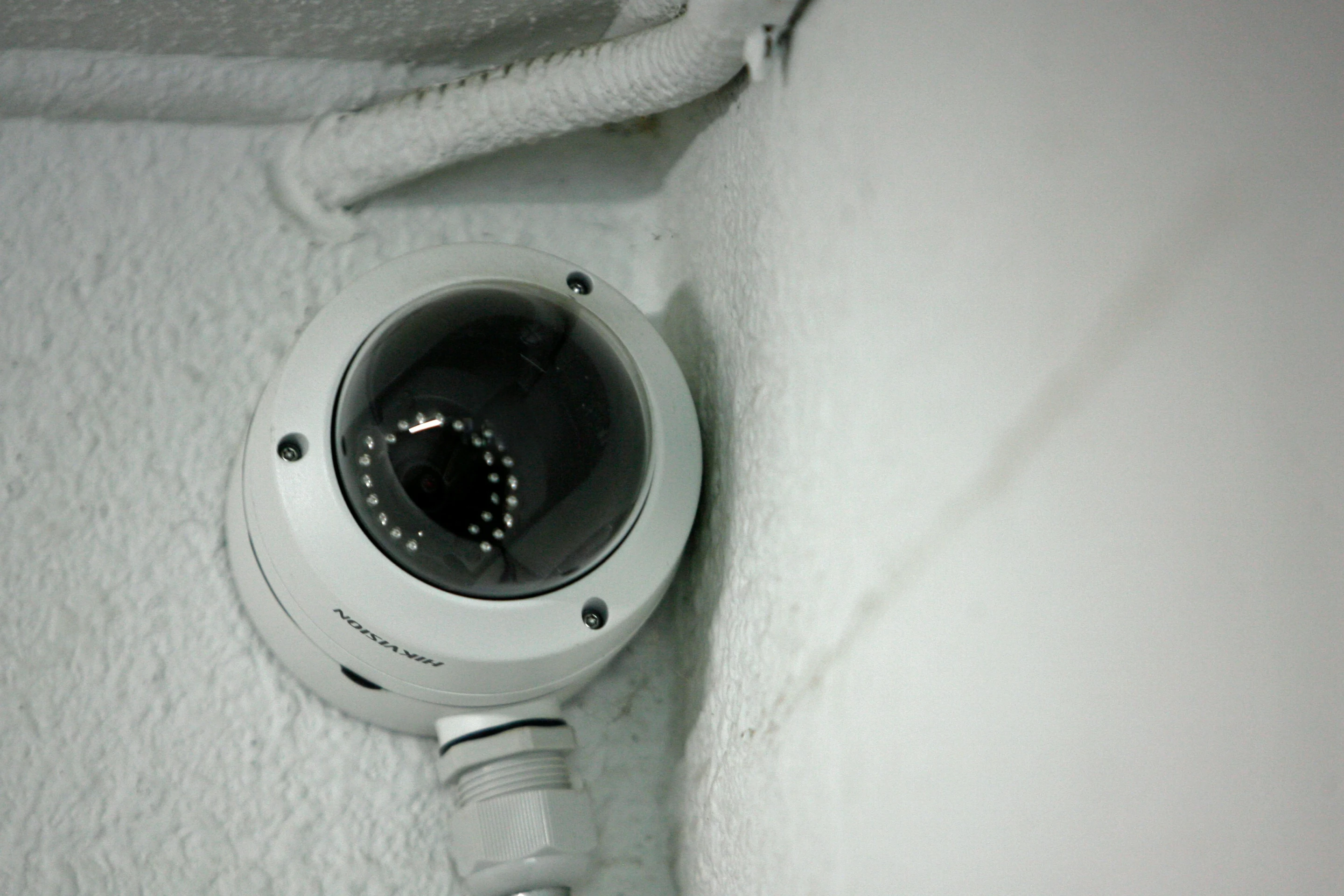
4Sight Labs Expands OptiGuard™
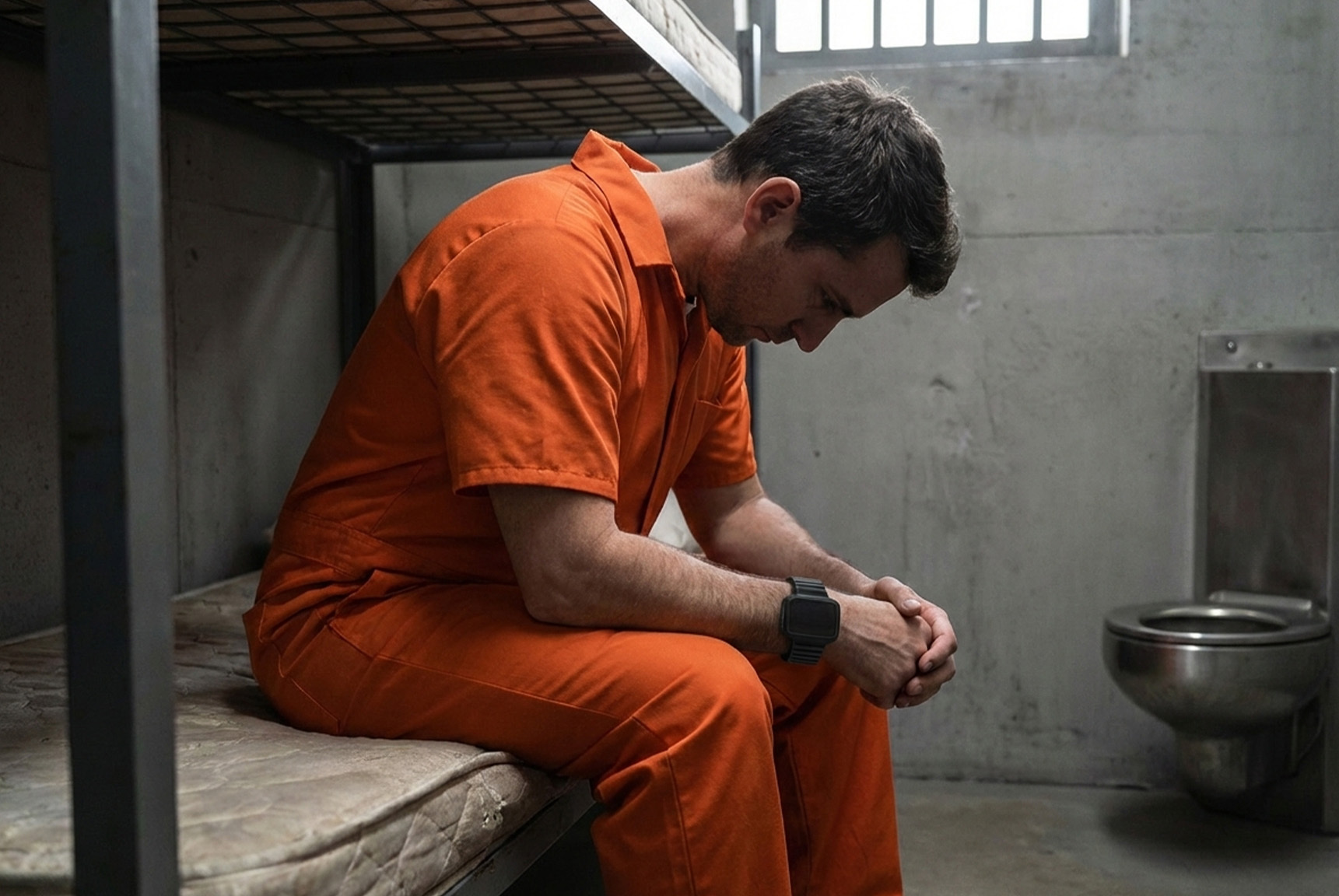
OptiGuard™ Now Covers Shared Cells with Up to Four Occupants
4Sight Labs, Inc. has extended OptiGuard's automated Liveness-Detection™ and documentation capabilities beyond single-occupancy housing, using camera infrastructure many facilities have already deployed.
Shared housing is common across correctional facilities, and officer-to-detainee ratios have widened in recent years. Local jails reported 4.0 individuals in custody for every correctional officer at midyear 2022, up from 3.6 at midyear 2021 and 3.0 at midyear 2020, according to the Bureau of Justice Statistics. OptiGuard™ gives staff a documented, continuous layer of awareness across those units without adding headcount.
In addition to in-cell monitoring, OptiGuard™ documents out-of-cell activity — including wellness checks, meal delivery, and medical cart visits — and presents a darkened, silhouette-style view that shows movement and presence without exposing identifiable footage. Footage and documentation remain on the facility's own network.
How OptiGuard™ and OverWatch® Work Together
OptiGuard™ is the environmental layer of 4Sight Labs' platform: using a facility's existing camera infrastructure to track movement, presence, and inactivity across a cell, including the four-occupant expansion described above.
OverWatch®, 4Sight Labs' wearable biometric sensor, is the individual layer: it tracks a person's heart rate, motion, and other signals wherever they go, rather than a fixed point in a room. Together, the two extend biometric awareness from the environment to the individual, supporting staff decision-making between rounds.
Safeguards and limitations: OverWatch® and OptiGuard™ support situational awareness and documentation. They are not intended for diagnosis or treatment and are not a substitute for clinical evaluation or in-person welfare checks.
What FDA Clearance Covers, and What It Doesn't
Fixed radar sensors, like the ones used in hospital facilities, are gaining attention in corrections because they can track certain signals without a wearable device. This category of radar sensor is FDA-cleared for general-care hospital settings, including nursing homes, which reflects the actual conditions the technology was built and tested for. Jails, prisons, and detention centers are not identified in this category of sensor's FDA-cleared indications for use, and don't necessarily translate into effective monitoring outside of those environments.
This discussion focuses on operational supervision considerations in custodial environments and is not intended to provide clinical or medical guidance. Correctional healthcare decisions should always be directed by qualified medical professionals and applicable facility policies.
What Correctional Agencies Should Require From Any Monitoring Vendor
Agencies evaluating monitoring technology for a correctional environment should press on operational fit, not just feature lists. The following questions apply to any facility considering integrating monitoring into their workflow.
1. Vital-Sign Availability During Movement
Does the platform deliver a valid physiological reading during normal activity, not only when someone is holding still? A technology that only produces a reading at rest leaves gaps during exactly the hours — pacing, repositioning, distress — when awareness matters most.
2. Accuracy Across the Ranges That Matter
What documented accuracy exists at the heart rates, respiratory rates, and body positions common in a custody setting, not only under ideal lab conditions? Agencies should ask vendors to show performance data across realistic postures and physiological ranges, not a single best-case figure.
3. Cleared Environment, Named Correctly
What is the technology's actual FDA-cleared environment, and does it name correctional or detention use specifically? FDA clearance and correctional-specific validation are not the same thing, and agencies should ask vendors to be direct about which one they're citing.
4. What Happens When a Reading Isn't Available
What operational process exists for the moments a valid physiological measurement can't be obtained? Every monitoring technology has gaps; what matters is whether the vendor has a documented answer for staff when one opens up.
4Sight Labs built OptiGuard™ around these same questions because they are the ones that matter most when evaluating any monitoring technology for a correctional environment.
OptiGuard™ and OverWatch®, 4Sight Labs' wearable biometric monitoring platform, together support continuous awareness for more than 55,000 individuals in custody across 80+ agencies and 72+ jails in 19 states.
"Correctional environments create conditions that don't exist in a controlled healthcare setting. Agencies should understand not only what a technology measures, but where it was designed and validated to operate, when measurements are available, and what happens when they aren't. We built our technology around those realities from the beginning," said David Sanders, CEO of 4Sight Labs.