

Why Oversight Consistency Matters in High-Risk Jail Housing

Systems of Oversight in High-Risk Jail Housing
In detention operations, consistency is often the clearest indicator of whether an oversight model is genuinely defensible. For sheriffs, jail administrators, and executive leadership, the question is not simply whether staff are performing rounds or following written policy. The deeper question is whether the facility has built a consistent oversight approach for detainees placed in the highest-risk areas of the institution, and whether that consistency holds across shifts, across staff, and across the full arc of a high-risk confinement period.
Oversight Consistency in Jail Housing Is a Leadership Responsibility
Individual officers may perform rounds conscientiously, document diligently, and respond appropriately when they recognize a problem. That matters. But it is not sufficient on its own.
Consistency in high-risk housing supervision does not happen through individual effort alone. It happens through systems, expectations, and oversight models that make consistent behavior the path of least resistance, and that make inconsistency visible when it occurs.
When command staff evaluate the strength of a supervision model, the issue is not whether each individual cares and works hard. The issue is whether the institution has created a structure that produces consistent awareness in the exact settings where the cost of a missed change is highest.
How Oversight Inconsistency Creates Liability in High-Risk Jail Housing
In high-risk jail housing, inconsistency takes many forms. It may appear as uneven observation practices between shifts. It may appear as gaps in awareness between rounds that are too long for the acuity of the population being supervised. It may appear as different interpretations among staff of which detainees require closer monitoring and why.
Inconsistency also appears in the record itself. Documentation that is fragmented, incomplete, or too general to clearly reflect what staff knew and when creates a problem that extends beyond any single shift. When a serious event is later reviewed, incomplete documentation of a high-risk custody period becomes one of the clearest indicators that oversight was not consistently maintained.
These are not minor administrative issues. They shape whether leadership can demonstrate that the facility applied a structured and defensible approach to high-risk supervision, or whether staff were doing their best within a framework that did not support consistency.
Why Written Policy Alone Cannot Guarantee Supervision Consistency
A facility may have written procedures, designated watch conditions, and established expectations for observation rounds, and still have limited consistency in how those expectations are actually applied.
That gap between written policy and operational practice is precisely where many serious custodial incidents develop. Staff may be doing what is expected under routine conditions, while the institution has limited visibility between checks, limited structure around early awareness, and documentation that records the fact of a round rather than the substance of what was observed.
For executive leadership, this gap should be an active concern. The most important question is not whether a policy exists. It is whether the facility's operational model produces consistent, documented awareness in the housing environments where detainee status is most likely to change.
How Monitoring Technology Builds Oversight Consistency Across Every Shift
The purpose of a monitoring system in a high-risk custody setting is not to replace direct supervision. Its value is in helping leadership build a more consistent operational model: one where awareness, verification, escalation, and documentation are structured rather than variable.
Wearable biometric monitoring systems such as OverWatch®, part of the Unified Correctional Biometric Platform developed by 4Sight Labs, create time-stamped records of biometric readings, alerts, and staff responses. That documentation structure does not depend on individual interpretation or shift-to-shift variation. It creates a consistent record of what the system detected, when staff were alerted, and how those alerts were addressed.
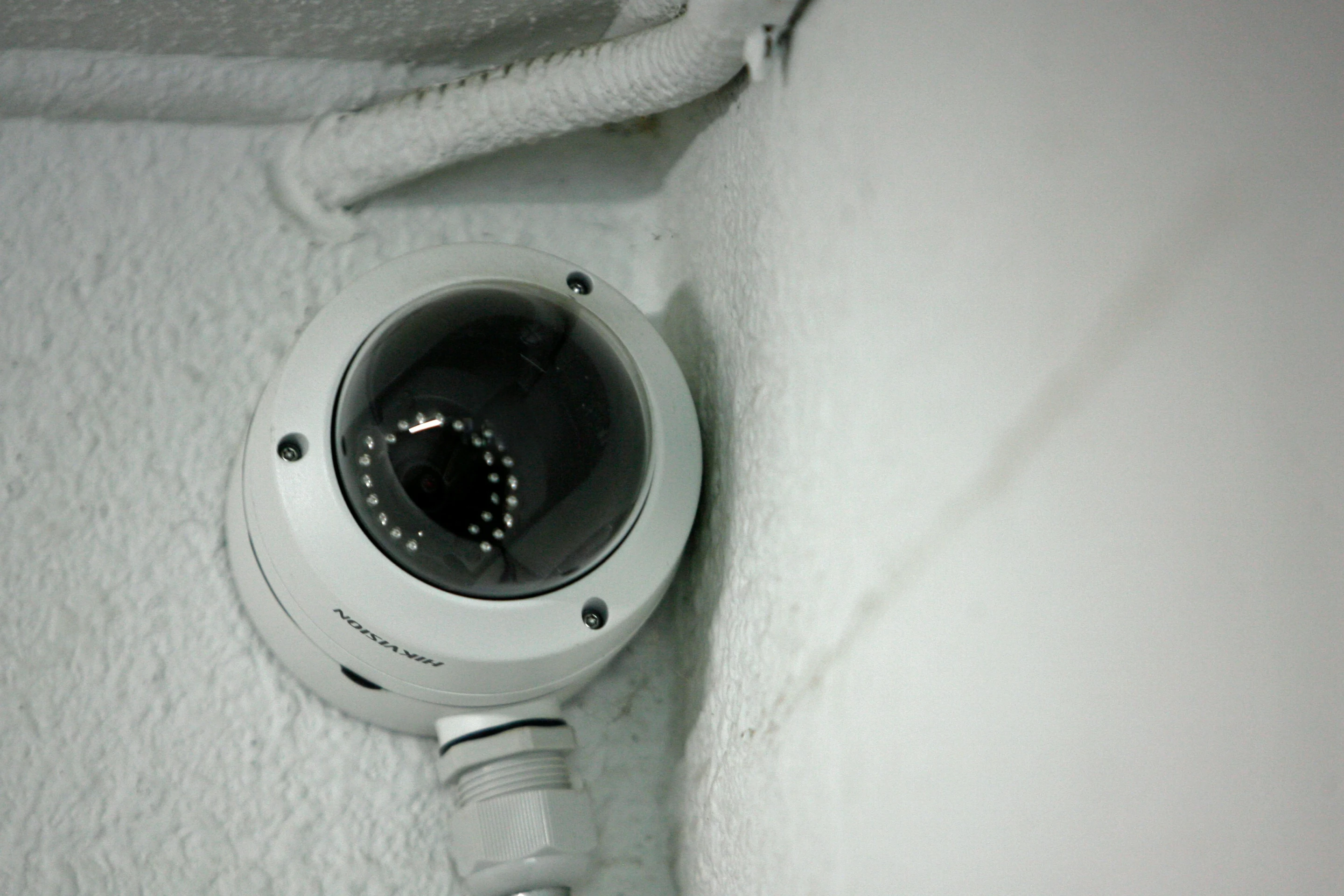
Fixed-environment systems such as OptiGuard™ add an additional layer of consistency for cell-level environments, providing continuous liveness monitoring using existing camera infrastructure across the full span of a detainee's confinement period, not only during officer rounds.
Together, these systems support a model of oversight that is demonstrably consistent in the places where consistency matters most.
How Consistent Alert Response Strengthens Custody Documentation
A critical component of oversight consistency is how staff interpret and respond to monitoring alerts. In a disciplined supervision model, an alert does not necessarily indicate a confirmed emergency. It may prompt a wellness check, a closer look, or additional documentation of a detainee's condition at that moment.
That response, recorded, timestamped, and connected to the alert that prompted it, is precisely what consistent oversight looks like in a high-risk housing environment. It demonstrates that the facility was not waiting for obvious distress before engaging. It demonstrates that staff were actively prompted toward verification and that the institution was building a record of continuous, structured awareness.
When that record exists across a high-risk confinement period, it represents the clearest evidence that oversight was consistent, not only in policy, but in practice.
How Post-Incident Reviews Evaluate Oversight Consistency in Jail Housing
When a serious event in high-risk jail housing is reviewed externally, the standard applied is rarely whether individual staff members performed their duties conscientiously. The standard is whether the institution had built a system that produced consistent awareness in a known high-risk environment.
Reviewers may ask whether leadership had identified the housing area as elevated risk. They may ask whether the facility had reasonable measures in place to maintain awareness during that period. They may ask whether staff were prompted toward verification when conditions warranted review, and whether the record reflects a consistent model of oversight, rather than a reactive sequence of disconnected actions.
For correctional leadership, that is the point of the discussion. Consistency is not created through broad claims or after-the-fact explanations. It is created through systems, documentation standards, and oversight models that support staff in applying structured awareness in the environments where custodial risk is highest.
Correctional leaders seeking additional resources on oversight consistency and high-risk housing supervision can explore the 4Sight Labs Resource Center.



.jpg)
