Mental Health Monitoring in Jail

Observation, Escalation, and Accountability
Mental health monitoring in jail is an operational challenge as much as a clinical one. Learn how agencies build observation, escalation, and documentation systems.
People with mental illness are significantly overrepresented in jail populations. SAMHSA estimates that approximately 44% of people in jail have a mental illness, compared with 18% of the general population. That statistic has direct operational implications for every detention facility in the country. But mental health monitoring in jail should not be understood primarily as a clinical matter. For correctional leadership, it is an observation challenge, an escalation challenge, and a documentation challenge, one that sits squarely within the broader framework of custodial duty of care.
This discussion focuses on operational supervision considerations within detention facilities and is not intended to provide clinical guidance. Mental health care decisions should always be directed by qualified healthcare and mental health professionals. Agencies should follow their own policies and applicable accreditation standards.
The Operational Dimension of Mental Health Observation
The classification and treatment decisions involved in managing individuals with mental illness in custody belong to qualified medical and mental health professionals. That boundary is clear and important.
What is equally clear is that correctional staff are often the first observers in the housing environment. Before a mental health professional conducts a formal assessment, before a referral is made, before a treatment decision is considered, an officer is walking a housing tier, conducting a welfare check, and making an observation.
What that officer notices — whether a detainee’s presentation has changed, whether they appear more withdrawn than previously, whether something about their behavior prompts concern — is the front line of mental health monitoring in jail. The officer is not making a clinical determination. They are fulfilling an operational responsibility: recognizing potential concern and communicating it through the appropriate escalation pathway.
The National Commission on Correctional Health Care emphasizes that its standards are designed to strengthen organizational effectiveness and reduce the risk of adverse legal judgments. The operational implication is direct: observation, escalation, and documentation practices in behavioral health housing are not peripheral considerations. They are institutional accountability mechanisms.
High-Risk Housing: Where Monitoring Is Most Difficult
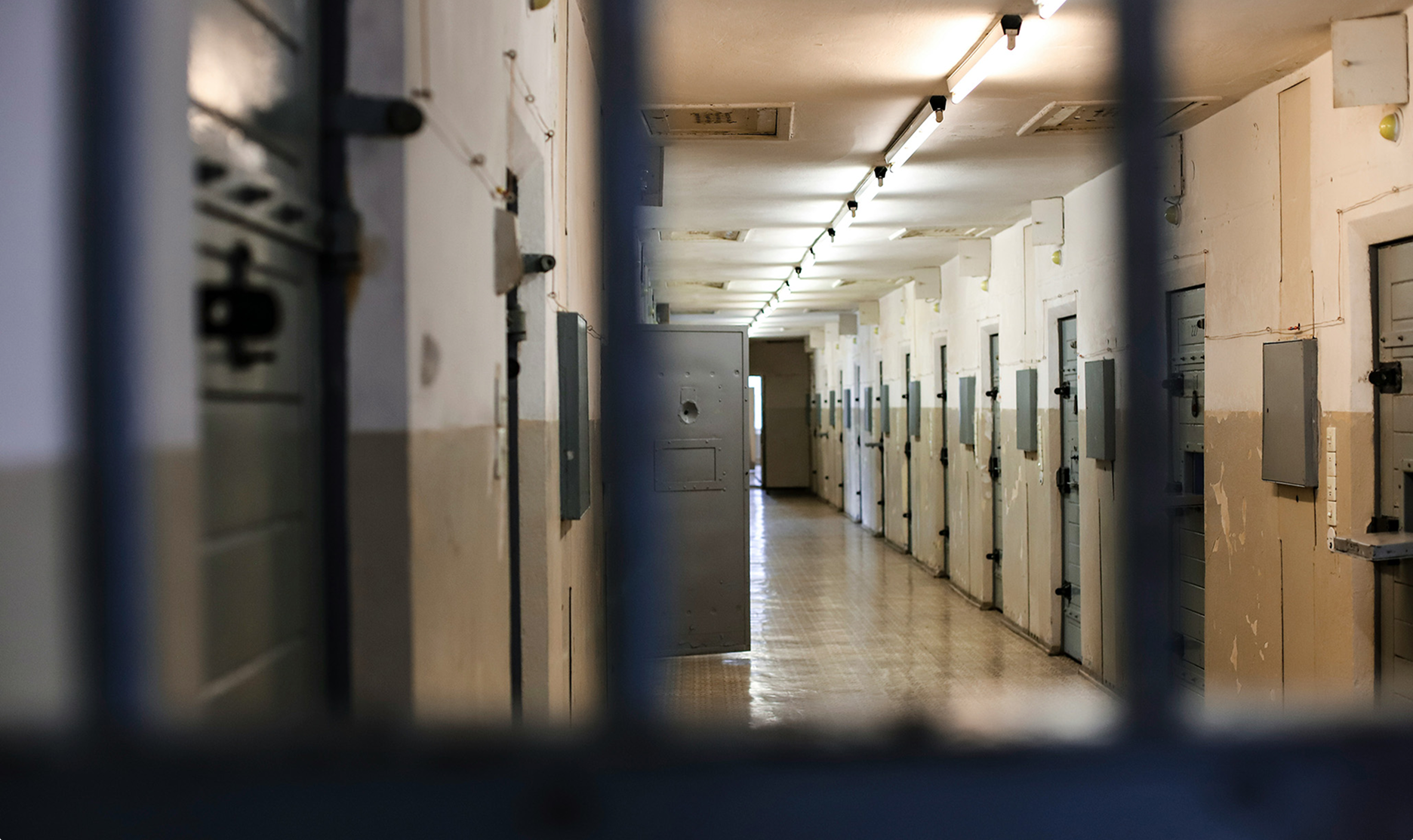
Individuals with significant behavioral health needs are often housed in restrictive or high-acuity settings where the structural and operational challenges of observation are most pronounced. Visibility may be limited by facility design. Interaction may be infrequent. Changes in presentation, from agitation to withdrawal, from engagement to silence, may occur gradually in ways that are difficult to detect through brief, intermittent checks.
NCCHC guidance has emphasized the importance of ongoing monitoring for individuals in restrictive settings, with specific attention to signs of decompensation. From an operational standpoint, that guidance reinforces what experienced correctional leadership already knows: the standard of observation required in high-risk behavioral health housing is not met by routine rounds alone.
Recognizing behavioral change is an active skill, not a passive one. It requires officers to compare current presentation against prior observation, note deviations, and have a clear sense of when the change warrants escalation. That expectation depends on training, staffing continuity, and documentation practices — not just policy language. Facilities where the same officers know the individuals in a behavioral health unit over time are structurally better positioned to detect meaningful change than facilities where staff rotation prevents that baseline familiarity from developing.
What Documentation Needs to Reflect
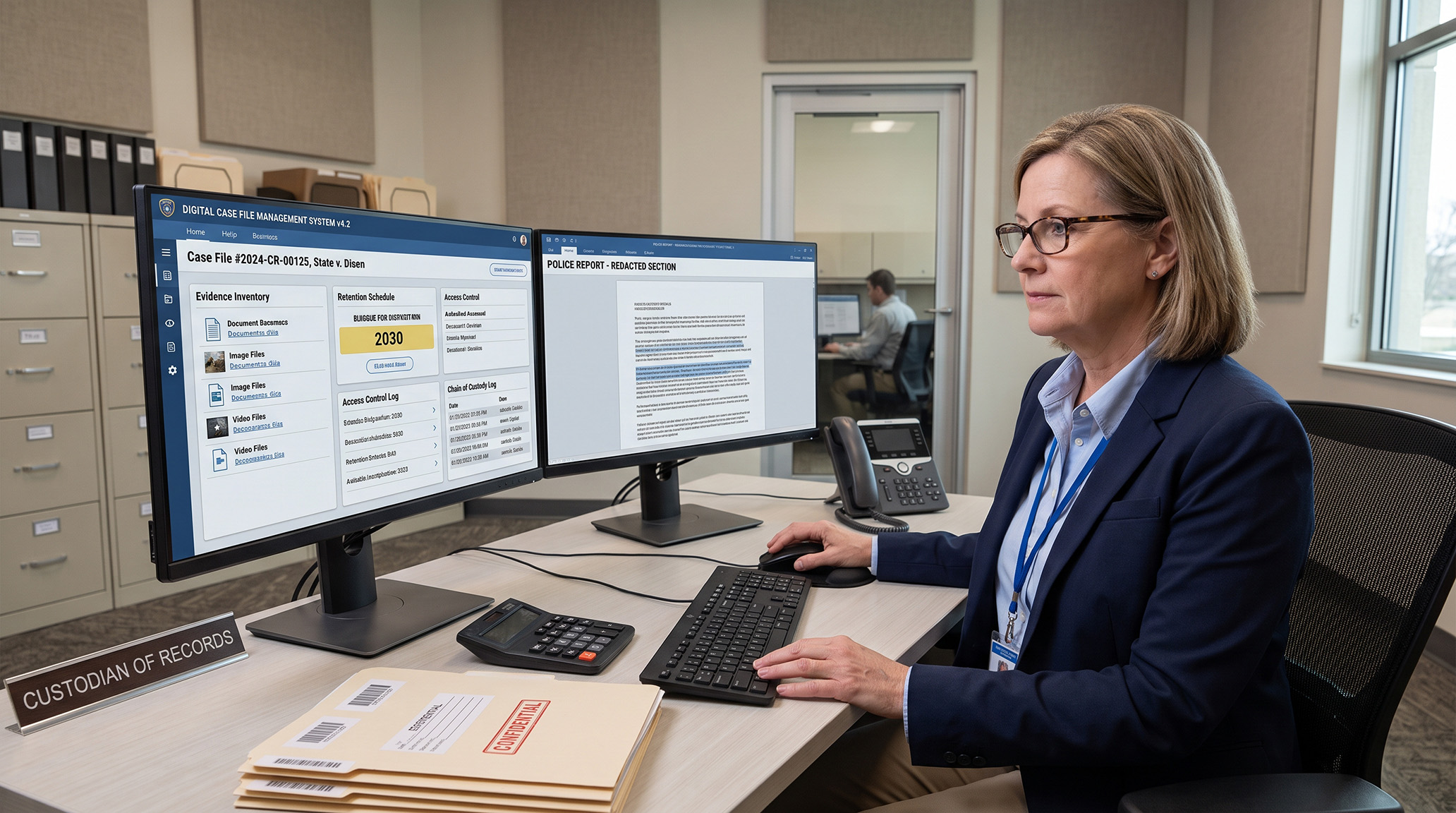
The post-incident review of a serious event in a behavioral health housing unit typically examines the documentation record in considerable detail. Reviewers look for whether staff noted changes in presentation over time, whether there was a clear escalation pathway to mental health or medical personnel, and whether the record reflects active, progressive awareness of a high-risk individual.
When documentation is generic and repetitive, the institutional record may show that rounds were completed without showing that anything was observed. That distinction is significant in oversight investigations, civil litigation, and internal administrative reviews. A record that shows only task completion does not demonstrate awareness. It demonstrates presence.
Strong behavioral health documentation should capture the officer’s actual assessment at the time of the check: whether the detainee was responsive to verbal contact, whether their behavior was consistent with prior observations, whether anything,. however subtle, prompted closer attention or communication with a supervisor. These observations do not require clinical language. They require operational specificity, and the facilities that have built documentation standards around that specificity consistently demonstrate stronger institutional defensibility.
Fixed-Environment Monitoring in Behavioral Health Housing
The structural visibility challenges in behavioral health housing are particularly consequential because the most significant changes in presentation may occur quietly and without obvious physical indicators visible during a brief welfare check. A detainee can be in acute distress inside a cell that appears quiet from the corridor.
Fixed-environment monitoring technologies such as OptiGuard™, part of the Unified Correctional Biometric Platform developed by 4Sight Labs, use existing camera infrastructure to provide continuous liveness detection within housing cells, analyzing movement patterns and breathing-related motion and generating alerts when those patterns indicate potential concern. No new cameras are required. No changes to existing video management systems are needed.
For mental health custody observation in high-acuity settings, OptiGuard™ provides a visual monitoring layer that operates independently of observation round schedules. It does not evaluate behavioral content or make clinical assessments. It monitors physical presence and movement continuity — and it generates an alert when what it observes suggests that a welfare check should occur immediately rather than at the next scheduled interval.
For wearable physiological monitoring, OverWatch® provides continuous tracking of heart rate, blood oxygen levels (SpO₂), skin temperature, and motion. Together, OverWatch® and OptiGuard™ provide two independent monitoring channels, physiological and visual, that operate throughout the period between rounds in behavioral health housing environments.
The Escalation Framework: From Observation to Action
Observation without escalation is incomplete supervision. One of the clearest operational gaps in mental health monitoring in jail environments is the absence of a defined, reliable pathway from an officer’s observation to an appropriate professional response.
For correctional staff, the operational question should be straightforward: when I notice that something has changed about a detainee’s presentation, who do I notify, through what channel, and what happens next? If that answer is unclear or inconsistent across officers in the same unit, the escalation pathway is not functioning as designed.
NCCHC’s mental health frameworks explicitly address the need for structured communication between custody staff and qualified mental health or medical personnel. From an institutional accountability standpoint, a well-documented escalation, one that captures when the concern was raised, to whom, and what follow-up occurred, represents one of the clearest demonstrations that the facility was responding to changing conditions appropriately and in a timely manner.
Building Awareness Into High-Risk Behavioral Housing
For detention leadership, mental health monitoring in jail is strongest when it is built around the operational realities of behavioral health housing rather than applied as a generic supervision standard.
That means clear observation expectations calibrated to the acuity of the population, documentation practices that capture meaningful assessment rather than task completion, escalation pathways that are understood and followed consistently by all staff who interact with behavioral health housing areas, and monitoring technologies that extend awareness into the structural and temporal gaps that observation rounds alone cannot fill.
The goal is not to replace qualified mental health intervention. It is to ensure that when something changes in a high-risk behavioral housing environment, the facility has the awareness, the documentation, and the escalation structure to respond appropriately, and to demonstrate that it did so.
Correctional leaders seeking additional operational resources on behavioral health supervision and monitoring strategies in detention environments can schedule a demo.