Jail Detox Monitoring: Why Early Custody Observation Matters

Why Early Custody Observation Matters
Jail detox monitoring is a supervision and documentation challenge as much as a clinical one. Learn how agencies strengthen operational awareness during early confinement.
Detention facilities routinely receive individuals during some of the most medically unstable periods of their lives. Risk concentrates in the first hours and days of confinement, when staff are working with incomplete information, rapidly changing conditions, and the inherent visibility limitations of a secure custodial environment. For correctional leadership, jail detox monitoring is not a peripheral healthcare concern. It is a supervision priority, a documentation challenge, and a direct component of institutional accountability.
This discussion focuses on operational supervision considerations in custodial environments and is not intended to provide clinical or medical guidance. Correctional healthcare decisions should always be directed by qualified medical professionals and applicable facility policies.
The First 72 Hours: When Risk Is Highest
For many detention facilities, the period immediately following intake represents the highest-risk window in the custody timeline. Individuals entering custody may be experiencing substance withdrawal, acute emotional distress, behavioral instability, or underlying medical conditions that were not disclosed, visible, or fully apparent during booking.
The challenge is that early custody conditions do not always present consistently. An individual may appear stable during intake screening, then begin showing signs of distress hours later. Withdrawal symptoms may not surface until well after the booking process is complete. Behavioral changes may be subtle at first, developing gradually in ways that are easy to miss in an environment where officers are managing multiple competing demands simultaneously.
This is where jail detox monitoring becomes more than a clinical consideration. It becomes an operational one.
The first 24 to 72 hours of confinement often create the greatest supervisory strain. Intake teams may have limited information about recent substance use, prior withdrawal complications, or underlying medical vulnerability. Housing decisions are made quickly. Observation expectations may be heightened, but execution depends heavily on staffing levels, unit design, and the reliability of communication between custody and healthcare personnel.
Detox Monitoring as a Supervision and Documentation Issue
A common framing mistake is treating jail detox monitoring purely as a medical matter. In practice, it sits at the intersection of medical awareness, custodial supervision, documentation integrity, and duty of care.
Correctional personnel are often the first to observe changes in condition, behavior, responsiveness, or overall stability that may warrant escalation. That is not a clinical role. It is an operational one. The officer who notices that a detainee in a detox observation unit appears less responsive than an hour ago is not making a medical judgment. They are exercising the situational awareness that the facility's supervision model is supposed to support.
From a documentation standpoint, that awareness only has institutional value if it is recorded. Post-incident reviews involving detox-related deaths consistently examine whether staff had sufficient visibility into detainee condition to recognize deterioration in time to act. They also examine whether the documentation reflects meaningful awareness, not just the completion of a round.
When observation records reflect only that a round occurred, without capturing changes in presentation, responsiveness, or behavior, the agency may later struggle to demonstrate that developing risk was being actively recognized and managed. Incomplete documentation during a known high-risk confinement window is one of the most consistent patterns identified in post-incident reviews of detox-related custody deaths.
The Visibility Challenge Inside Detox Housing
Maintaining sufficient awareness during the detox period is complicated by the structural realities of detention facilities. High-risk observation housing may be located in areas where sightlines are limited. Officers covering detox units are typically managing multiple individuals simultaneously, often across different areas of the facility.
In that environment, the difference between policy compliance and meaningful situational awareness can be significant. A facility may meet its minimum round requirements and still have limited insight into what occurred between observation intervals. That gap is precisely where many detox-related incidents develop.
The operational challenge is not identifying risk at booking. It is maintaining sufficient awareness after intake, when the individual's condition may begin to change over time and outside the brief windows of scheduled observation.
Monitoring Technology Applied at the Earliest Window
What distinguishes an effective detox monitoring approach from a general wearable deployment is timing. The greatest operational value of biometric monitoring in a detox context is realized when the device is in place before symptoms become acute.
Wearable biometric monitoring systems such as OverWatch®, part of the Unified Correctional Biometric Platform developed by 4Sight Labs, are engineered to be applied at or near intake. These systems continuously track heart rate, blood oxygen levels (SpO₂), skin temperature, and motion, generating a notification directing staff to check on the individual.
Applying monitoring at booking provides staff with biometric awareness throughout the entire early confinement window, including the hours when withdrawal is most likely to begin accelerating. A system applied only after symptoms become visible is already operating reactively. A system applied at intake provides the lead time that supports early intervention.
For signal reliability inside reinforced detention infrastructure, OverWatch® uses LoRaWAN long-range wireless technology, which penetrates steel and concrete reliably. Hundreds of sensors operate with only a small number of routers, a critical advantage where Bluetooth-based systems would require dense receiver networks to maintain consistent coverage.
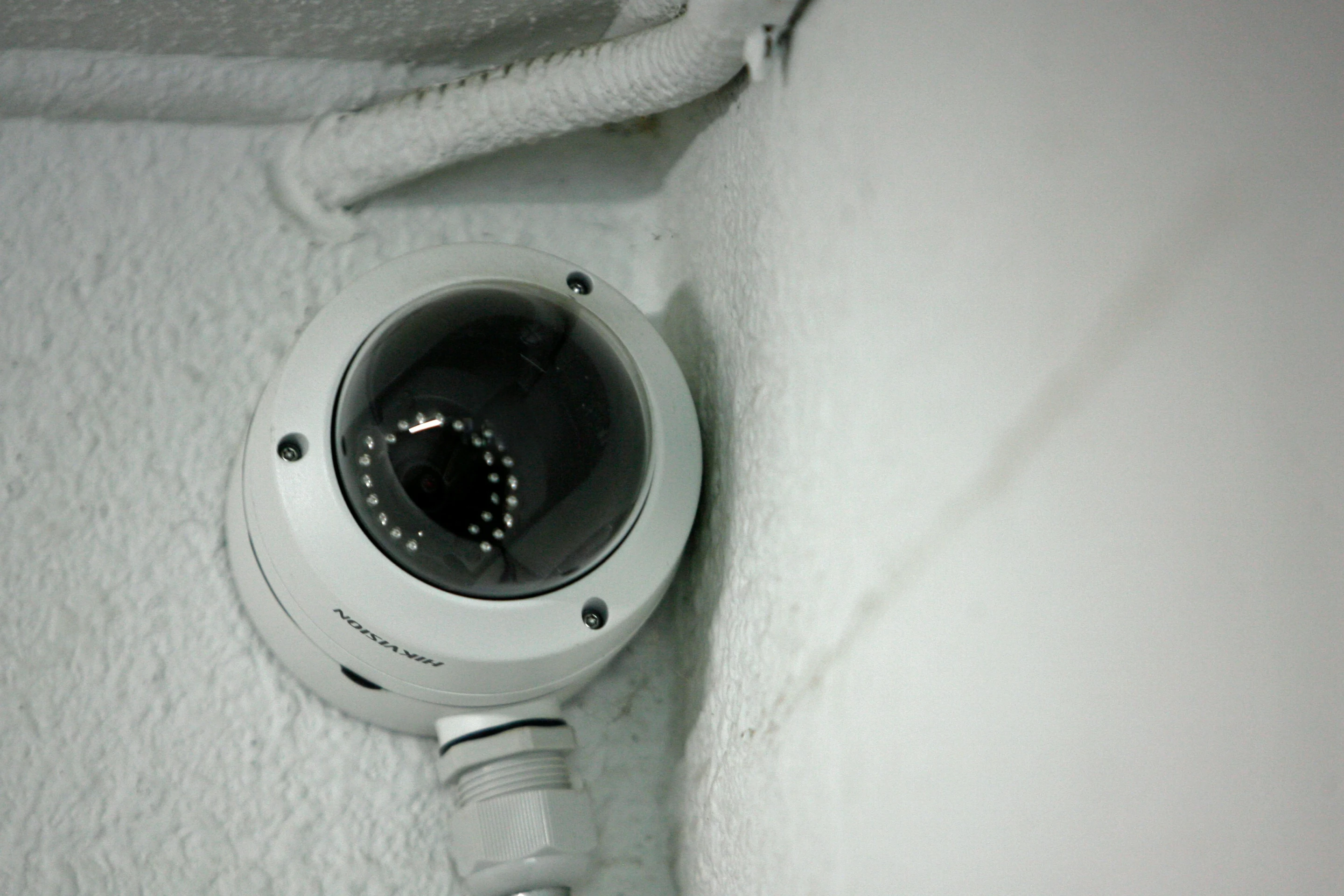
Fixed-environment monitoring technologies such as OptiGuard™ extend awareness into the housing cell itself, using existing camera infrastructure to detect movement patterns and liveness indicators without requiring new hardware. Where OverWatch® tracks physiological condition, OptiGuard™ monitors visual activity within the cell, providing layered coverage that operates throughout the detox observation period.
Building an Operational Model Around Known Risk Periods
Strong jail detox monitoring operations begin with a structural acknowledgment: intake screening alone is not sufficient to manage early confinement risk. Individuals who appear stable at booking may deteriorate after placement. The operational model must account for that possibility, not treat stability at intake as confirmation of stability over time.
For detention leadership, this means evaluating several elements in combination:
- Are housing placement decisions for high-risk individuals being made with clear criteria and documented rationale?
- Are observation intervals in detox housing appropriate for the acuity level of the individuals placed there?
- Are documentation practices capturing meaningful changes in status, or only confirming that a round occurred?
- Is there a defined escalation pathway from custody personnel to medical staff when concern increases?
- Are monitoring technologies applied early enough to provide awareness before deterioration becomes visible?
Institutional Accountability Begins at Intake
From a liability and defensibility standpoint, the detox monitoring period is where institutional accountability is either built or eroded. Facilities that can demonstrate a systematic approach to early risk identification, structured observation, and continuous biometric awareness during the first hours of confinement are in a fundamentally stronger position when incidents are reviewed externally.
That record, supported by timestamped biometric alert logs, observation round documentation, and system-generated event timelines, provides investigators and oversight bodies with a clear account of what institutional systems were in place and how they functioned. It provides staff with a record that supports their professional defensibility. And it provides detention leadership with the foundation they need to answer the question every custody incident eventually raises: what did you have in place?
With OverWatch® currently monitoring more than 50,000 individuals in custody across more than 72 jails in 18 states, detention agencies have demonstrated that this layered approach to detox monitoring is operationally viable at scale.
Detox-related risk in custody is not managed by policy language alone. It is managed by how effectively the facility maintains awareness, supports staff observation, documents changing conditions, and responds when high-risk individuals require greater attention during the most vulnerable period of confinement.
Correctional leaders seeking additional resources on detox supervision practices and custodial monitoring strategies can explore the 4Sight Labs Resource Center.