Wireless Infrastructure Challenges in Reinforced Detention Facilities

Wireless Infrastructure Challenges in Reinforced Detention Facilities
Correctional facilities present unique challenges for wireless communication systems due to reinforced construction, layered security architecture, and complex facility layouts. As detention agencies evaluate jail monitoring technology, understanding how wireless infrastructure performs within these environments has become an important operational consideration.
The Physical Environment of Detention Facilities
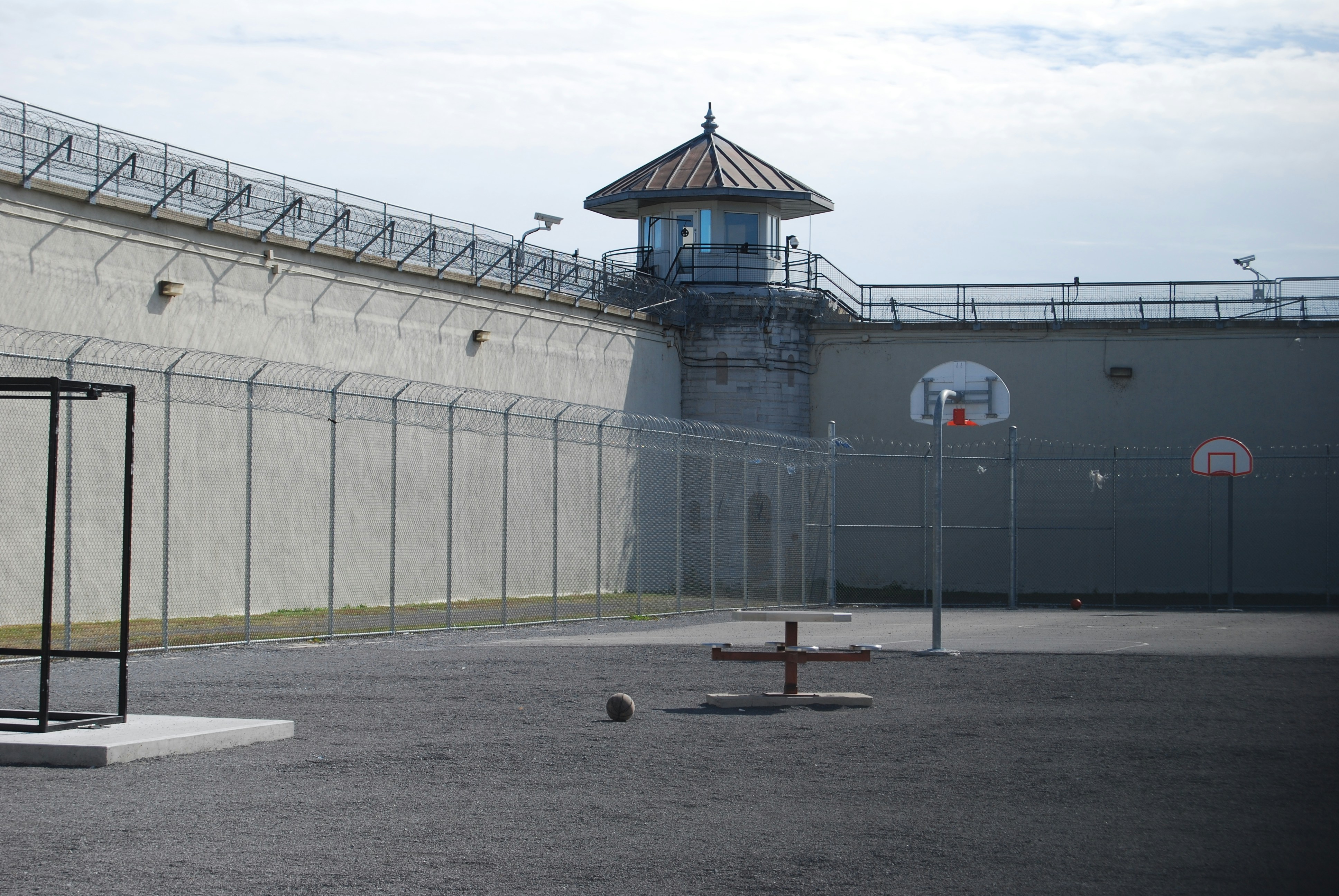
Unlike typical commercial buildings, detention facilities are constructed using reinforced materials designed to maintain security and structural integrity. Housing units often contain thick concrete walls, steel doors, security glass, and layered barriers separating different sections of the facility.
While these materials are necessary for institutional safety, they can significantly affect wireless signal transmission in jail environments. Radio frequency transmissions must pass through reinforced concrete, steel framing, and other structural obstacles that can weaken or disrupt signal propagation.
As a result, communication technologies that function effectively in traditional office or residential environments may perform very differently inside secure detention facilities.
For agencies evaluating jail monitoring technology, understanding these infrastructure realities is essential.
Signal Interference and RF Congestion
Wireless communication inside correctional facilities may also be influenced by signal interference and radio frequency congestion.
Multiple electronic systems operate simultaneously within detention environments, including:
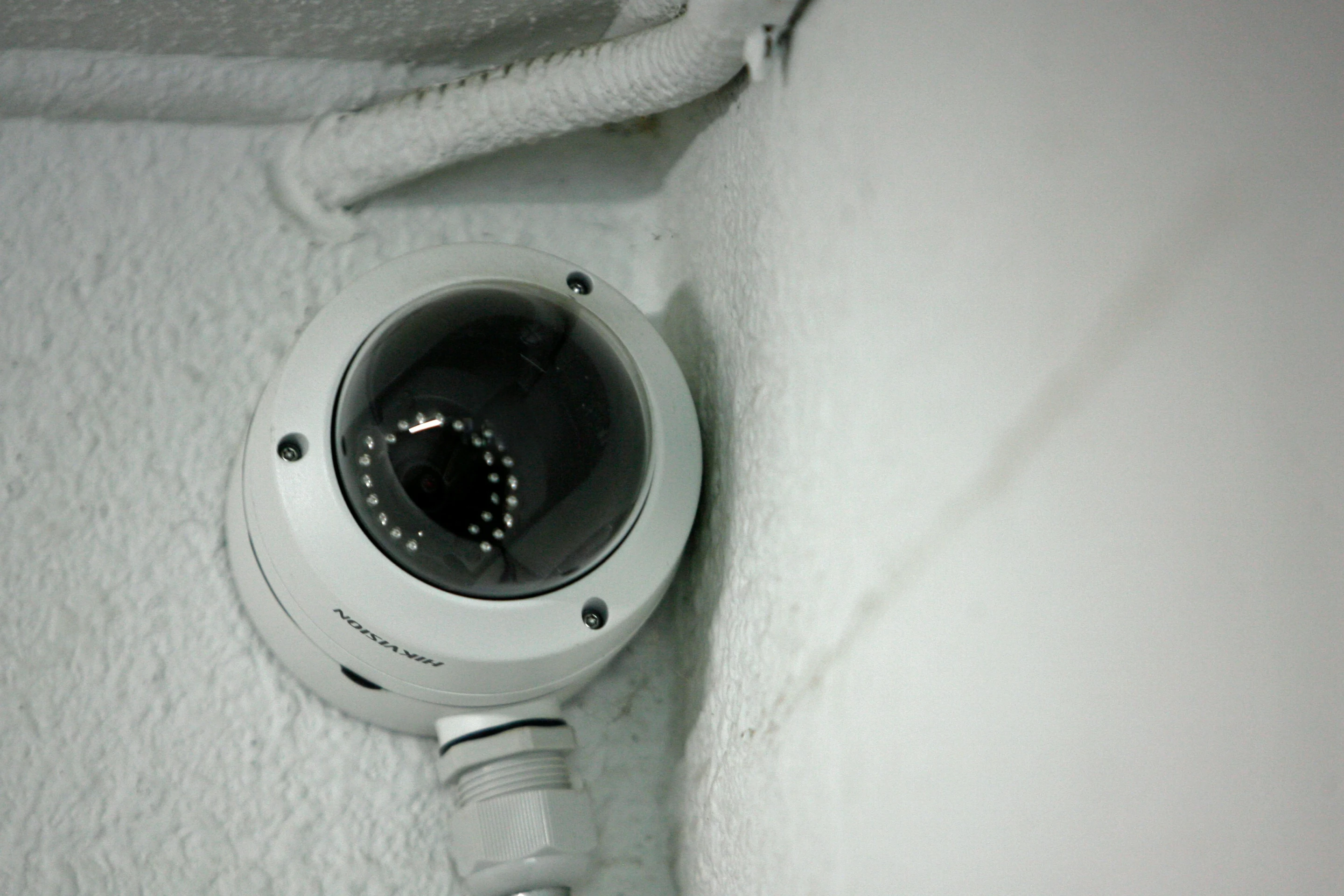
- Surveillance systems
- Facility radios
- Security infrastructure
- Electronic locking systems
- Internal communication networks
These systems can create complex signal environments where overlapping frequencies and structural interference affect communication reliability.
For monitoring technologies that depend on wireless transmission, maintaining signal integrity across these environments becomes a critical engineering consideration. This is one reason why purpose-built systems for correctional environments often rely on LoRaWAN detention facilities architecture, which is specifically designed to penetrate reinforced structures and maintain signal integrity across long distances.

The Importance of Communication Reliability
When monitoring technologies are used in life-safety environments, reliable communication between sensors and receiving systems becomes essential.
Monitoring systems designed to track physiological conditions or behavioral indicators must ensure that alerts are delivered consistently to staff responsible for supervision.
Wearable biometric monitoring platforms such as OverWatch®, part of the Unified Correctional Biometric Platform developed by 4Sight Labs, are designed with communication architectures intended to operate within complex detention infrastructure.
Similarly, fixed-environment monitoring technologies such as OptiGuard™ are deployed within housing areas to provide additional visibility into conditions where direct observation may be limited.
Because these systems may operate during high-risk situations, the underlying correctional facility wireless network must be capable of transmitting alerts reliably despite the physical challenges present within detention environments.
Infrastructure Considerations for Monitoring Systems
Correctional agencies evaluating jail monitoring technology often examine several infrastructure factors before deploying new technologies.
These considerations may include:
- Signal penetration through reinforced structures
- Network coverage across housing units
- Redundancy and communication resilience
- System scalability across larger facilities
Each of these factors can influence whether a monitoring technology performs consistently within the operational environment of a detention facility.
As agencies increasingly explore technology-assisted supervision models, understanding these infrastructure requirements becomes an important part of implementation planning.
The Evolution of Monitoring Architecture
As detention facilities evaluate monitoring technologies, many agencies are moving toward layered monitoring architectures designed to strengthen situational awareness across housing environments.
These models combine traditional staff supervision with monitoring technologies capable of providing additional visibility between observation rounds.
The 4Sight Labs Biometric Monitoring System integrates wearable biometric monitoring through OverWatch® with fixed-environment observation technologies such as OptiGuard™, creating a layered monitoring framework designed for the operational realities of detention facilities.
This approach reflects a broader shift toward systems specifically engineered for the structural and operational conditions present within correctional environments.

Supporting Reliable Monitoring in Custodial Environments
As correctional agencies continue evaluating jail monitoring technology, infrastructure reliability remains a central consideration.
Wireless communication systems must operate within reinforced environments while maintaining dependable alert transmission and operational visibility for staff.
For detention leadership, understanding how monitoring technologies interact with facility infrastructure helps ensure that supervision tools support both operational awareness and institutional accountability.
Correctional leaders interested in exploring emerging monitoring strategies can access additional insights through the 4Sight Labs Resource Center.