
Opioid Withdrawal in Jail

Why Intermittent Observation Leaves Critical Gaps
Opioid withdrawal in jail creates critical gaps between observation rounds. Learn how contactless inmate monitoring helps agencies recognize withdrawal risk and strengthen custodial oversight.
Opioid withdrawal in jail creates one of the most operationally demanding supervision challenges in a detention environment. Risk does not unfold in a predictable pattern. A detainee may appear stable at intake, communicate normally with staff, and then decline over subsequent hours as withdrawal symptoms develop, dehydration increases, and responsiveness diminishes. For correctional leadership, this is not a clinical problem alone. It is a visibility problem, a documentation problem, and a direct test of whether the facility's supervision model is built for the realities of high-risk early confinement.
This discussion focuses on operational supervision considerations within detention facilities and is not intended to provide clinical or medical guidance. Correctional healthcare decisions should always be directed by qualified medical professionals and applicable facility policies.
Why Opioid Withdrawal Challenges Standard Supervision Models
In most detention facilities, observation rounds are the primary mechanism for monitoring detainee welfare. Officers conduct periodic checks, confirm responsiveness, document their observations, and continue through the housing unit. For a standard population, this model provides a reasonable level of supervision coverage.
For detainees experiencing opioid withdrawal, it often does not.
The nature of opioid withdrawal is that symptom progression does not align neatly with scheduled observation intervals. Between one round and the next, a detainee's condition can deteriorate meaningfully. Symptoms may intensify. Responsiveness may decrease. Dehydration, physical distress, and behavioral changes may develop or worsen in the period when no staff member is physically present in the housing area.
The operational consequence is a supervision model built around snapshots operating in an environment where the risk picture can change significantly between snapshots. That gap is where custody incidents develop, and where post-incident review focuses most intensely.
A Changing Risk Profile in the Current Drug Supply Environment
Shifts in the illicit drug supply have materially changed the withdrawal risk profile agencies encounter in detention environments. Presentations can differ from patterns correctional staff may have relied on in the past — variation in onset timing, symptom intensity, and physiological presentation means intake staff cannot calibrate their observation approach on prior experience alone.
An individual who appears minimally symptomatic at booking may progress more rapidly, or in a different pattern, than previous cases would suggest.
This is not a clinical observation about treatment. It is an operational one about supervision calibration. Facilities that have updated their intake and observation protocols to account for the current risk environment are better positioned than those applying frameworks built for a different substance landscape.
The Intake-to-Housing Transition: Where Supervision Continuity Breaks Down
Housing placement decisions during intake are made quickly and under operational pressure. Once an individual is placed, supervision responsibility shifts from intake personnel to housing unit officers. That transition is a vulnerable moment in the custody chain that receives less attention than it deserves.
Intake staff may have developed some awareness of the individual's condition during booking. That contextual knowledge rarely transfers systematically to the officers who will be conducting welfare checks over the following hours. If there is no structured handoff, no documented acuity note, and no monitoring system in place that bridges the gap, the housing officer is starting from zero.
This is where opioid withdrawal in jail must be understood as an operational accountability problem, not only a clinical one. The question for command staff is whether the facility has designed its supervision handoff to preserve the awareness that was developed during intake, or whether it effectively resets that awareness when the individual crosses the threshold into the housing unit.
What Post-Incident Review Actually Examines
Detention agencies that have faced litigation or oversight review following opioid withdrawal-related deaths are familiar with the scope of what investigators examine. It goes well beyond whether a round was completed at the required interval.
Reviewers focus on whether meaningful awareness of the detainee's condition existed during the critical period leading up to the incident. They examine whether changes in presentation were noted, whether escalation to medical personnel happened at an appropriate time, and whether the facility's supervision model was structured to detect deterioration between observation intervals.
When documentation reflects only routine task completion, without capturing changes in responsiveness, behavior, or physical presentation, the agency may have significant difficulty demonstrating that developing risk was being actively recognized and managed. For agencies managing opioid detox custody populations, documentation is not a post-hoc administrative exercise. It is a live record of awareness, and when it fails to reflect the realities of what was happening in the housing unit, it fails as an institutional accountability tool.
Monitoring Technologies That Address the Gap
The growing adoption of wearable biometric monitoring technology in detention settings is driven by what it provides during the intervals between observation rounds — not as a replacement for those rounds, but as the layer of awareness that operates when no officer is present.
Systems such as OverWatch®, part of the Unified Correctional Biometric Platform developed by 4Sight Labs, continuously analyze multiple biometric and motion signals to identify patterns that may warrant a physical welfare check. When the system identifies a potential safety or welfare concern, correctional staff receive a notification directing them to check on the individual.
Correctional staff are not shown physiological values, clinical thresholds, diagnoses, or medical interpretations, and the notification does not identify the underlying signal that triggered it. OverWatch® is designed to provide an additional layer of awareness between routine observation rounds — not to replace required checks or medical judgment.
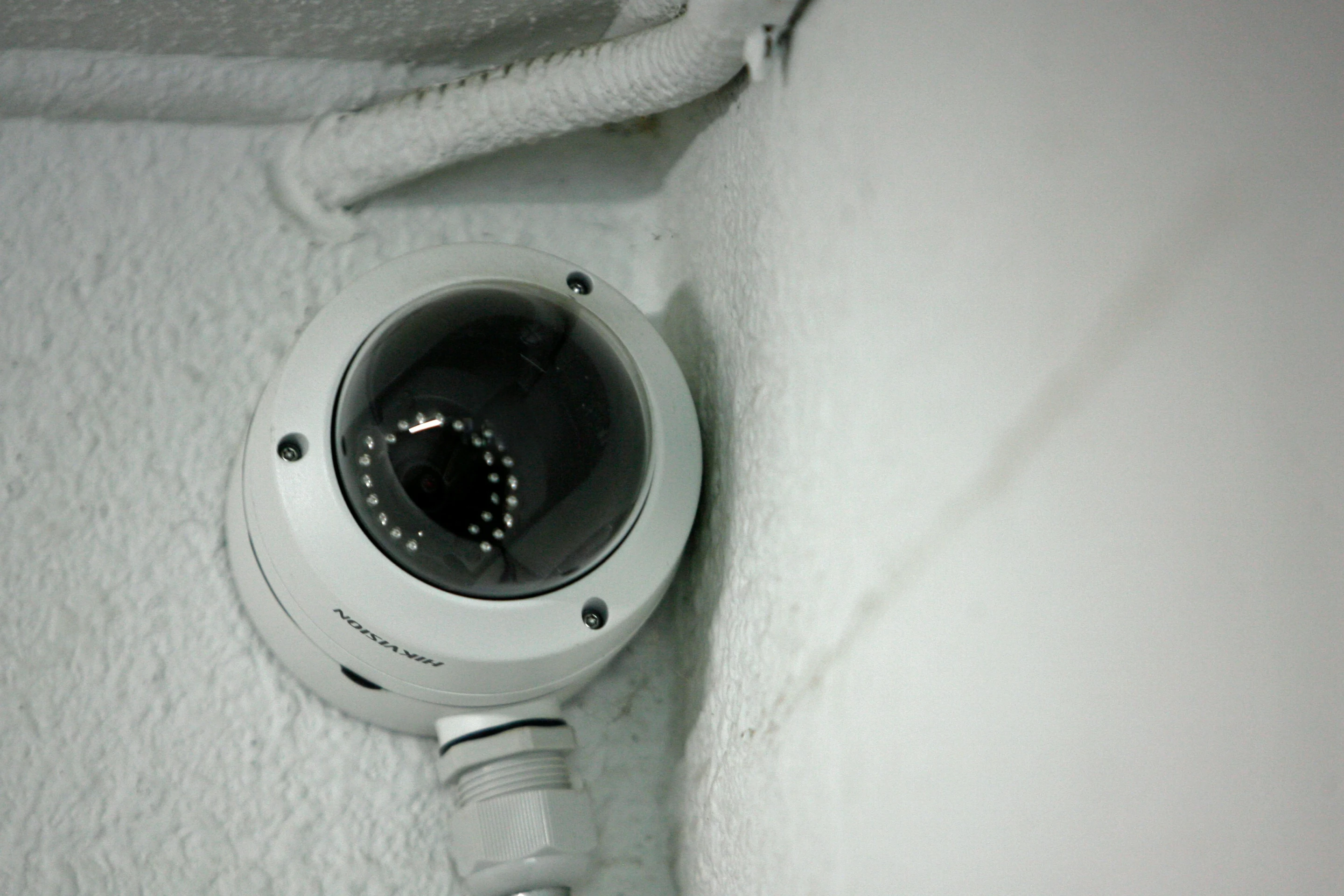
Fixed-environment monitoring technologies such as OptiGuard™ address the visual awareness gap by using existing camera infrastructure to provide continuous liveness detection within housing cells, actively analyzing movement and breathing-related motion and generating notifications when those patterns indicate concern. Together, OverWatch® and OptiGuard™ provide physiological and visual coverage that operates throughout the inter-round period.
Aligning the Supervision Model With the Risk Profile
For detention leadership evaluating supervision practices for opioid withdrawal populations, several operational questions deserve direct attention:
- Are housing placement decisions for detainees at known withdrawal risk being made with documented criteria and systematic handoff to housing unit staff?
- Are observation intervals in high-risk detox housing calibrated to the acuity of the current withdrawal risk profile?
- Do documentation practices capture meaningful changes in presentation, or only confirm round completion?
- Is there a defined, reliable escalation pathway from custody staff to medical personnel?
- Are monitoring technologies in place to provide awareness during the intervals between rounds?
With OverWatch® currently monitoring more than 55,000 individuals in custody across more than 80 agencies in 19 states, agencies have demonstrated that layered monitoring approaches for high-risk detainee populations are operationally viable at scale.
High-risk custody observation cannot be measured only by whether a round occurred. It must also be measured by whether the agency had enough awareness to recognize developing concern, act appropriately, and document that response with the clarity required to withstand later review.
Correctional leaders seeking additional resources on opioid withdrawal supervision and detention monitoring strategies can explore the 4Sight Labs Resource Center.

.jpg)