Supervising High-Risk Housing Units in Modern Detention Facilities

Supervising High-Risk Housing Units in Modern Detention Facilities
High-risk housing units require structured supervision and reliable monitoring. Learn how detention facilities manage oversight in detox, suicide watch, and behavioral units.
Inside detention facilities, certain housing environments demand a level of operational awareness that standard supervision procedures were never designed to sustain on their own. For command staff responsible for monitoring high-risk housing units, the operational stakes are higher, the documentation expectations are greater, and the consequences of a gap in awareness can be severe.
This discussion focuses on operational supervision practices within detention facilities and is not intended to provide clinical or policy guidance.
What Makes a Housing Unit High-Risk
Most detention facilities designate specific housing areas for individuals who require closer supervision than the general population. These placements are typically triggered by medical vulnerability, behavioral instability, or elevated self-harm risk.
Common high-risk housing designations include:
- Detox or substance withdrawal observation units
- Suicide watch placements
- Behavioral stabilization and mental health observation units
- Intake holding areas for newly booked individuals
- Temporary medical observation placements
Individuals assigned to these environments may experience rapid and unpredictable changes in behavior, responsiveness, or physical condition. For custody staff, that means the supervision margin for error is narrow. For detention administrators responsible for monitoring high-risk housing units, it means operational systems must be robust enough to support staff awareness even when direct observation is momentarily interrupted.
The Supervision Responsibilities Inside These Units
Officers assigned to higher-risk housing units carry responsibilities that extend well beyond standard floor supervision. These include conducting structured observation rounds, documenting detainee responsiveness and behavioral changes, communicating concerns to supervisors and medical personnel, coordinating with classification staff on placement decisions, and responding to incidents as they develop.
Guidance shaping many of these practices has historically come from organizations such as the American Correctional Association and the National Institute of Corrections. Individual agencies translate that guidance into their own policies, but the core expectation remains consistent: high-risk detainees require structured, documented oversight that can withstand post-incident scrutiny.
What those records show, and whether they tell a clear enough story of what staff saw and when, has become one of the defining questions in custody-related litigation.
Structural Visibility Challenges in Secure Housing
Detention facilities are not designed with sightlines in mind. They are designed with security in mind, and the two often conflict.
Reinforced concrete walls, steel security doors, tiered cell arrangements, and control room positioning all create physical barriers that limit how much of a housing unit an officer can observe from a single position. In multi-tier layouts or units with angled cell blocks, direct visual access to every detainee location is simply not achievable by a single officer standing in a corridor.
These are not design failures. They are the structural reality of secure detention facilities. But they are also the conditions under which custody staff are expected to maintain detention housing supervision for some of the most vulnerable individuals in the facility. That gap between expectation and structural reality is where risk concentrates.
Why Communication Infrastructure Determines Whether Monitoring Works
Some detention agencies are evaluating wearable monitoring technologies to supplement the supervision gaps that physical design creates. These systems collect biometric indicators such as heart rate trends, movement patterns, and respiratory activity, generating alerts when monitored values change significantly.
The technology itself is valuable. But inside a detention facility, a monitoring device is only as effective as its ability to communicate an alert to the staff member who needs to act on it.
Many consumer-grade wearable monitoring devices rely on Bluetooth or Bluetooth Low Energy (BLE) protocols. These technologies are designed for short-range communication in open environments, not for signal propagation through reinforced concrete, steel doors, and layered security barriers. In detention housing units, BLE-based systems often struggle to maintain consistent signal coverage, requiring a dense network of repeaters to compensate.
Systems built specifically for correctional environments, such as OverWatch®, part of the Unified Correctional Biometric Platform developed by 4Sight Labs, use LoRaWAN long-range wireless architecture, engineered to penetrate steel and concrete reliably, allowing hundreds of sensors to operate across a facility with only a small number of routers.
Layered Monitoring: Covering What No Single System Can
Wearable monitoring addresses physiological awareness. It does not address visual awareness. That is why agencies evaluating monitoring strategies for high-risk housing environments are increasingly looking at systems that operate in combination.
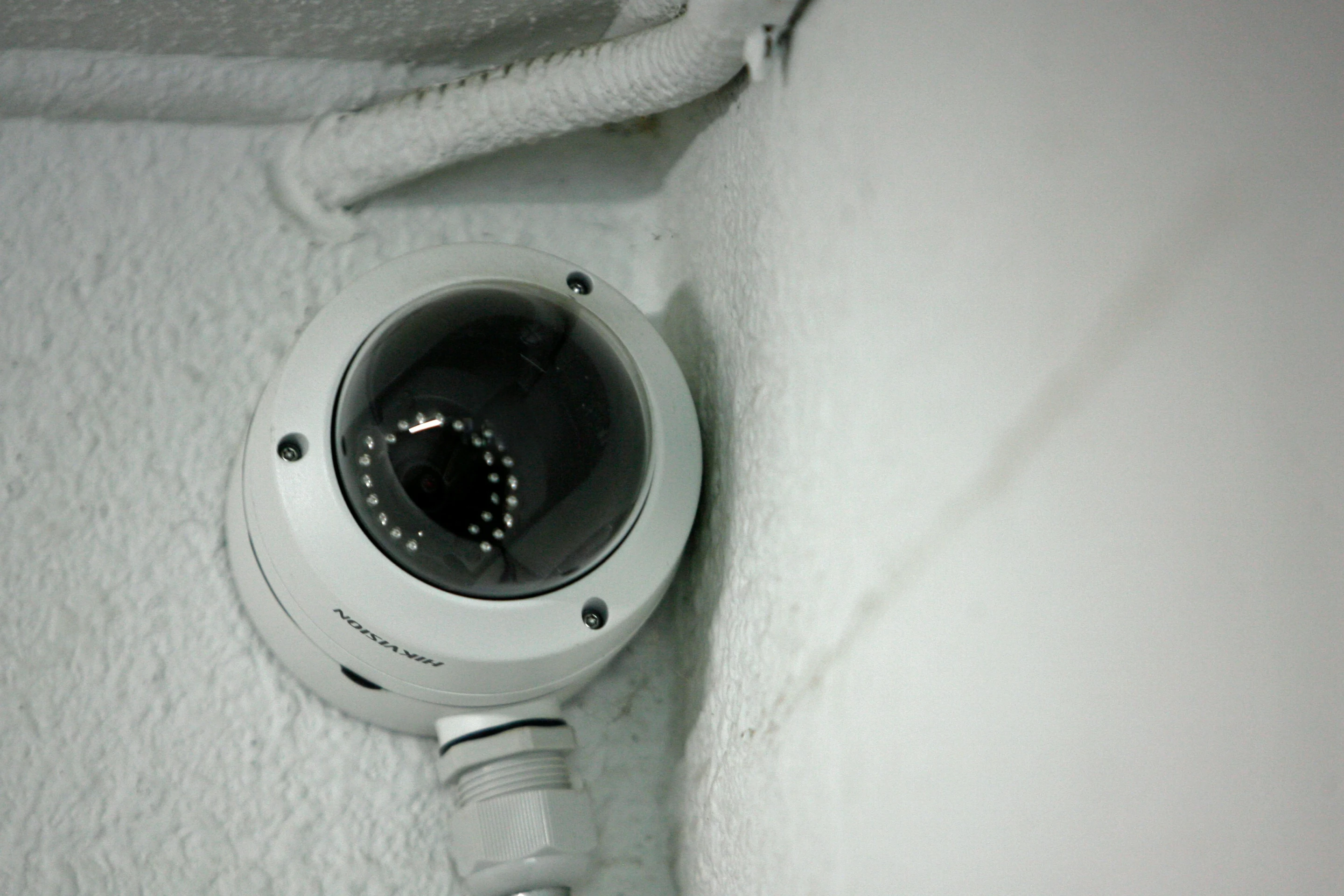
Fixed-environment monitoring technologies such as OptiGuard™ provide continuous liveness detection using existing camera infrastructure, without requiring new hardware or changes to existing VMS systems. Where OverWatch® tracks what is happening inside the body, OptiGuard™ monitors what is happening inside the cell, detecting the absence of movement or breathing patterns that may indicate an individual in distress.
Together, these technologies form the layered foundation of the Unified Correctional Biometric Platform. With OverWatch® currently deployed across more than 72 jails in 18 states and monitoring more than 50,000 individuals nationwide, the platform represents one of the most operationally validated approaches to high-risk housing supervision available today.
What Detention Leadership Should Be Asking
For sheriffs, jail administrators, and command staff, the operational question is not simply whether a monitoring system exists. It is whether the system deployed actually works inside the specific physical environment of the facility.
Key considerations when evaluating high-risk housing supervision:
- Does the monitoring technology maintain reliable communication across the facility’s reinforced structures?
- Are documentation systems capturing supervision activity in a format that supports post-incident review?
- Are observation round intervals appropriate for the acuity level of detainees placed in high-risk housing?
- Do current staffing levels support the supervision requirements of the facility’s higher-risk placements?
- Are monitoring technologies integrated with existing jail management systems to minimize documentation burden?
These are not abstract policy questions. They are the questions investigators, oversight bodies, and courts ask when reviewing custody incidents involving individuals placed in high-risk housing.
The Standard Has Risen
Observation rounds will always remain a central component of supervising high-risk detainees. But the expectation placed on detention facilities has moved well beyond interval-based checks. Agencies are now evaluated on whether their operational systems provided staff with sufficient situational awareness to recognize emerging risk, not just whether staff were present in the housing unit.
The goal is not to replace officer supervision. It is to ensure that when something changes inside a high-risk housing unit, staff know about it as quickly as possible.
Correctional leaders interested in operational strategies for high-risk housing supervision can access additional insights through the 4Sight Labs Resource Center.