Correctional Facility Monitoring Technology

To Fit the Building You Already Have
Correctional facility monitoring technology should fit the building rather than rebuild it. In practice, that means two things working together. The first is software that runs on the cameras already in your cells. The second is a wearable with its own wireless network, built to work through concrete and steel. Both show up on one dashboard. You don't replace cameras, change your video recording system, or send video to the cloud.
Why does infrastructure decide whether monitoring technology gets deployed?
Many correctional facility monitoring projects never get installed, and the software is rarely the reason. The usual blockers:
- The vendor assumed the facility would buy new cameras
- The county couldn't fund a network upgrade
- The connection to the video system broke
- The IT department wouldn't approve storing video in the cloud
So the real question for a facility director is fit: what does the right monitoring technology need from the facility, and can the facility provide it?
This article answers those questions in the order facilities and IT teams usually ask them, using 4Sight Labs' OptiGuard™ and OverWatch® as examples.
Cameras: can it run on the ones you already have?
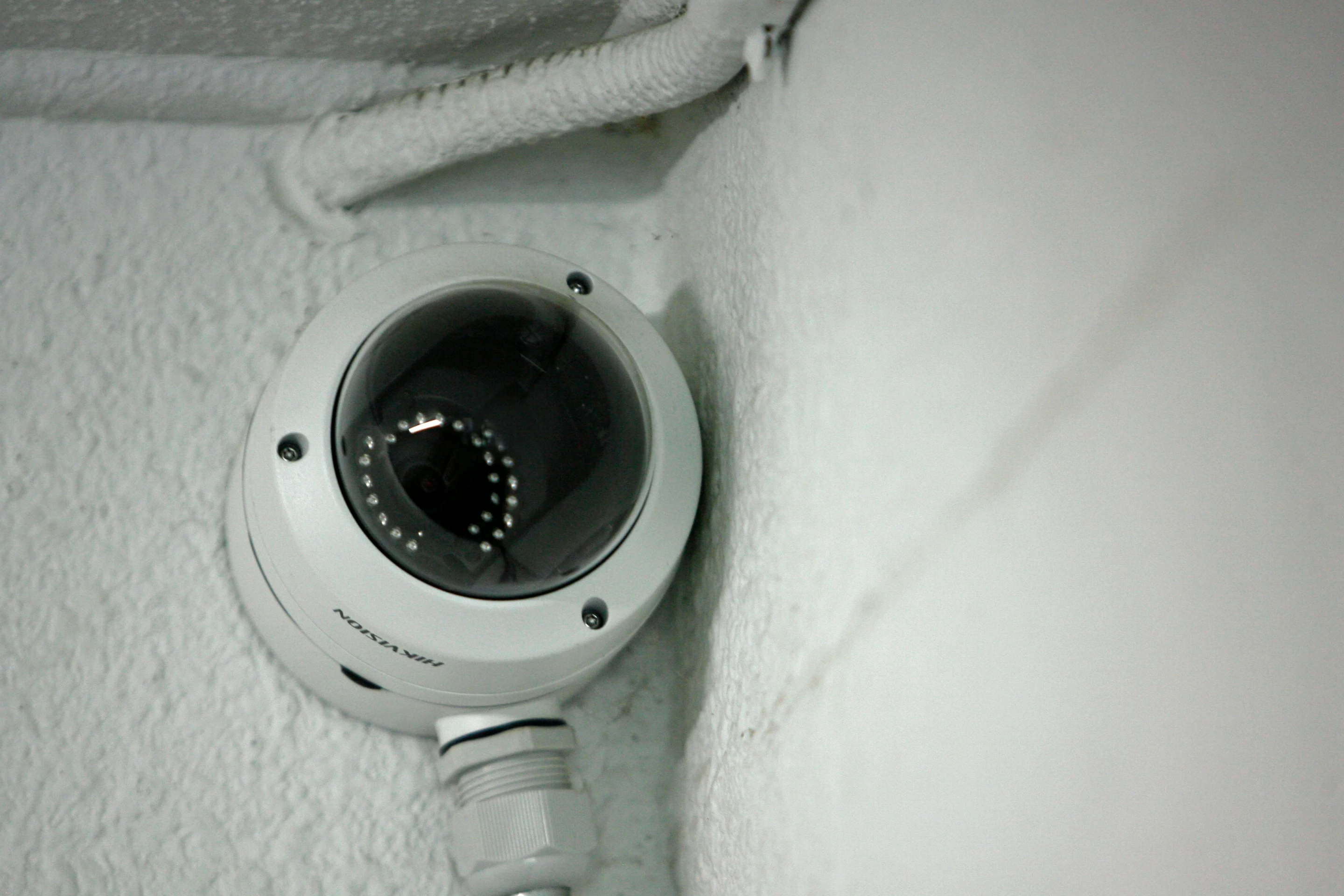
Yes. OptiGuard™ connects to the live video from your existing IP cameras, the same feed your video management system (VMS) already records. A small appliance installed on site applies Liveness-Detection™ to that feed and looks for patterns consistent with reduced movement, for up to four people per cell. When it spots one, staff get a notification to go check the cell in person.
Nothing about your cameras or recording system changes. The appliance simply watches the same feed alongside your recorder. OptiGuard™ is patent pending and has been in use in facilities since early 2026, so the setup process is documented, not experimental.
A simple test for any camera-based product: does it need its own cameras, its own recorder, or changes to your camera software? If the answer is yes, you're no longer buying monitoring software. You're paying for a camera project. It's also worth remembering that cameras support the in-person round, they don't replace it. Our breakdown of Texas jail standards compliance shows how one state spells that out in its rules.
Storage & Data Handling: where do video and records live?
With 4Sight Labs' OptiGuard™, video never leaves your building. The analysis happens on an appliance inside the facility, and footage stays wherever your VMS already keeps it. That answers the first question most IT teams ask.
OverWatch® sends its data over its own network to a secure platform, and 4Sight Labs maintains an annual SOC 2 audit program. Data is encrypted while it moves and while it's stored, and the platform is architected to support HIPAA-compliant safeguards. Your agency decides which roles can see safety and welfare records.
Network: does the wearable need Wi-Fi or cell coverage?
No. That's where most consumer monitoring wearables fail in a jail. Concrete, steel, and a ban on personal devices make Wi-Fi unreliable in exactly the housing units that need coverage most. OverWatch® was built for those conditions. Its own network keeps coverage across the building. Location zones tell responding officers where the wearer is. Maintenance alerts flag a device that needs attention before it causes a gap. Learn more about how 4Sight Labs' technology works.
The wearable continuously analyzes multiple biometric and motion signals to spot patterns that may call for a physical welfare check. When it finds one, staff get a notification to check on the person. The notification doesn't say what triggered it. Behind the scenes, a system trained on 5M+ hours of monitoring data helps cut down on false notifications, so officers aren't chasing noise.
The dashboard: how much integration work does the facility take on?
None. OverWatch® and OptiGuard™ report to the same dashboard, so there's no custom connection to build or pay for between the camera product and the wearable.
Every notification, acknowledgment, and response is time-stamped and tied to the officer who handled it. The cameras also document out-of-cell activity like wellness checks, meals, and medical rounds. Your team can export records without calling the vendor. The 4Sight team is always there if you need help. The agency decides how notifications are routed and escalated, and keeps those settings documented alongside its policies.
What does the facility need to provide?
Less than most teams expect.
- For OptiGuard™: rack space and power for the appliance, network access to your camera feeds, and a list of the cells you want to start with.
- For OverWatch®: space in the housing units for the network hardware (4Sight Labs plans this with your team), plus a workstation or an existing control-room screen for the dashboard.
4Sight Labs provides templates most agencies use as a starting point. Policy decisions are still the facility's call, like who gets notified, how issues escalate, and who is enrolled.
If federal grant money is part of the budget, where the equipment is made also matters. Our article on US manufactured correctional technology covers the main points to keep in mind.
What does a phased rollout look like?
Phase one connects the appliance to the cameras in your highest-risk housing units and enrolls OverWatch® for the people your agency's own criteria identify. Phase two expands Liveness-Detection™ one unit at a time. No construction is required at any stage.
That approach has helped 4Sight Labs monitor 70,000+ individuals as of October 2026, across 80+ agencies in 19 states, including county, state, and private facilities, with 297+ early interventions so far. Both products are designed and assembled in the USA, and 4Sight Labs has been an Axon technology partner since 2022.
The bottom line
The best correctional facility monitoring technology is the one your building can actually support. Before you sign, ask every vendor the same four questions. Does it run on our cameras? Where does the video live? Does the wearable work without our Wi-Fi? How much integration falls on our team? If the answers involve new cameras, a network overhaul, or video in the cloud, you're not buying monitoring. You're buying a construction project. OptiGuard™ and OverWatch® were built so those answers stay simple: your cameras, your building, one dashboard.
Want to see how it would fit your floor plan? Schedule a meeting with 4Sight Labs.
Frequently Asked Questions
Does correctional facility monitoring technology require new cameras?
Not with OptiGuard™. It works with your existing IP cameras through a small on-site appliance. No changes to camera hardware, camera software, or your video system.
Is video stored in the cloud?
No. OptiGuard™ analyzes video on the appliance inside your facility, and footage stays in your existing video system.
Does a monitoring wearable always need Wi-Fi?
No. OverWatch® uses its own network, built specifically for correctional buildings.
How much integration work does the facility do?
None. OverWatch® and OptiGuard™ report to the same dashboard.
Are OverWatch® and OptiGuard™ medical devices?
No. OverWatch® and OptiGuard™ are not medical devices and are not intended to diagnose, treat, cure, predict, or prevent any disease or condition. Correctional staff are not shown physiological values, clinical thresholds, diagnoses, or medical interpretations. Notifications direct staff to conduct a physical welfare check under agency policy, and the products do not replace clinical judgment, medical staff, or required observation rounds.