How Agencies Prepare for Post-Incident Investigations:

Documentation and Oversight in Detention Facilities
When a serious incident occurs within a detention facility, the response extends far beyond the immediate emergency. Families, oversight bodies, and the public frequently ask: what happens when someone dies in jail? The answer involves a complex series of internal and external reviews. Correctional agencies must be prepared to reconstruct events, provide documentation, and demonstrate that institutional policies and procedures were followed. As public oversight and litigation surrounding death in jail and other in-custody incidents continue to increase, preparation for post-incident investigations has become an essential component of modern custodial care.
This discussion focuses on operational and administrative considerations within custodial environments and is not intended to provide legal guidance. Agencies should rely on their legal counsel and established investigative procedures when responding to critical incidents.
The Reality of Post-Incident Review
Serious incidents within custodial environments, such as suicides, medical emergencies, or unexpected deaths, often trigger a range of internal and external reviews.
These reviews may involve:
- Internal administrative investigations
- Medical or clinical reviews
- County or municipal risk management inquiries
- Civil litigation proceedings
- External oversight investigations
In certain cases, deaths in custody investigations may also involve federal civil rights review conducted by the U.S. Department of Justice.
Each of these processes seeks to answer similar fundamental questions: what occurred, how staff responded, and whether institutional policies and procedures were followed.
For correctional leadership, the ability to provide clear and reliable information about the sequence of events becomes central to the investigation process.
Establishing a Timeline of Events
One of the first objectives in any jail incident investigation is the creation of a detailed timeline.
Investigators typically attempt to reconstruct events leading up to the incident by reviewing multiple sources of information, which may include:
- Housing unit observation logs
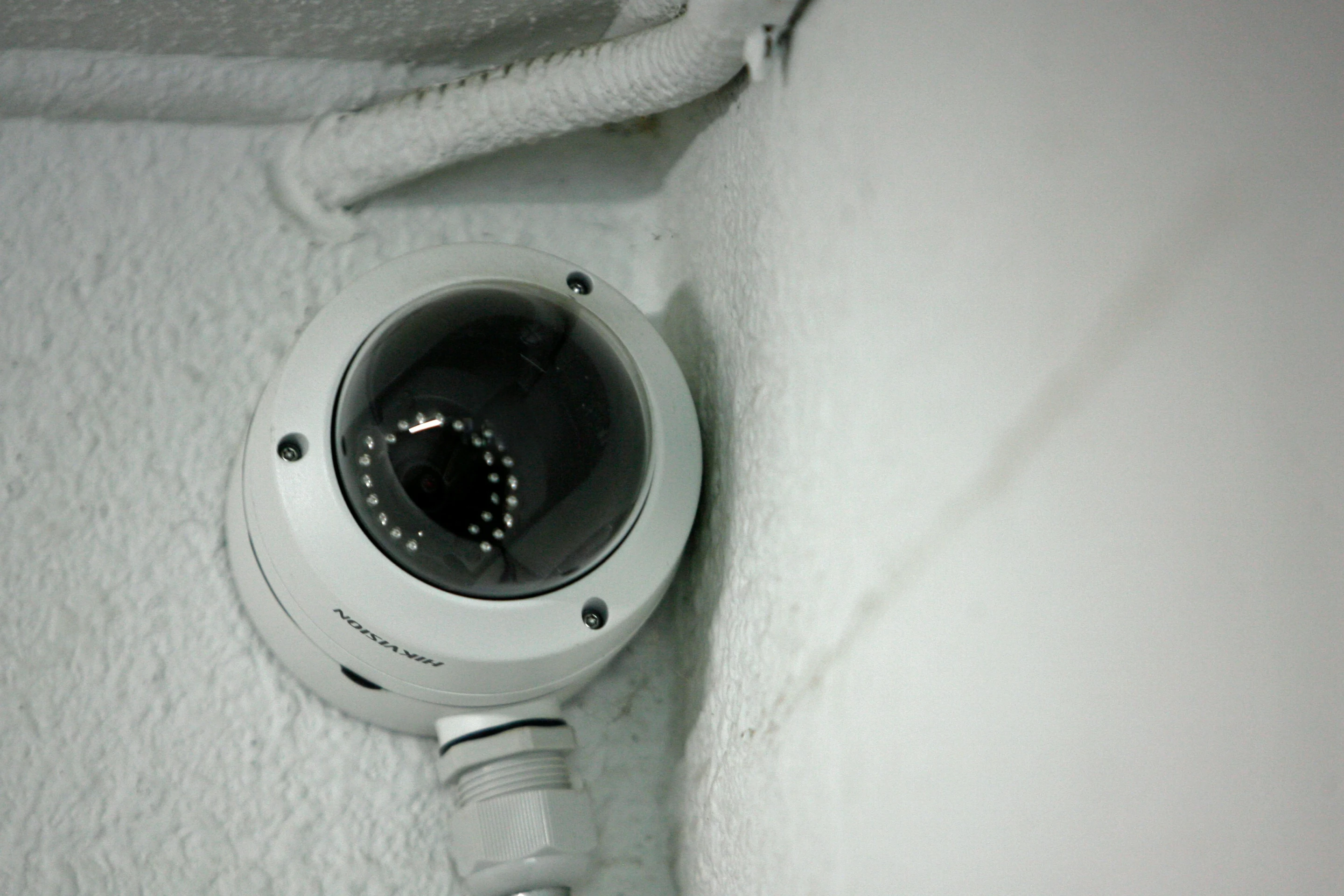
- Surveillance video
- Radio communications
- Medical documentation
- Incident reports and staff statements
These records are used to determine when a detainee's condition began to deteriorate, when staff became aware of the situation, and how quickly a response occurred.
In many investigations, particular attention is given to the period between documented observation rounds, when limited information may exist regarding the individual's condition prior to the incident.
Early steps in post-incident response may also involve preserving relevant records and operational data to ensure that investigators can review the information necessary to understand the circumstances surrounding the event.

Documentation as the Primary Record
During post-incident review, institutional documentation frequently becomes the primary source used to evaluate staff actions.
Observation logs, medical assessments, and incident reports help investigators determine whether:
- Established monitoring protocols were followed
- Potential warning indicators were documented
- Appropriate response procedures were initiated
When documentation is clear and consistent, agencies are generally better positioned to demonstrate that staff followed established policies and responded appropriately under the circumstances.
Conversely, gaps in documentation can make it more difficult for investigators to understand the conditions that existed prior to the event. This is one reason why agencies are increasingly exploring how objective monitoring data, such as that generated by purpose-built systems like OverWatch®, can supplement traditional records and provide a more complete picture of events during critical periods of custodial care.
The Role of Multiple Information Sources
Modern deaths in custody investigations rarely rely on a single source of information.
Instead, investigators typically review multiple forms of documentation and operational data in order to reconstruct events accurately. These may include physical documentation, electronic records, video systems, and communications logs.
Investigators often compare these sources to verify consistency between recorded observations, video evidence, and documented staff activity.
By comparing multiple information sources, investigators can build a more comprehensive understanding of what occurred during the hours or minutes leading up to an incident.
For detention leadership, ensuring that institutional systems provide reliable records across these different sources can help strengthen the integrity of the investigative process.
Internal Reviews and Administrative Investigations
Following a serious incident, many correctional agencies initiate internal administrative reviews.
These reviews are designed to examine operational procedures, determine whether policies were followed, and identify any areas where institutional practices may need improvement.
Internal correctional facility investigations may evaluate factors such as:
- Adherence to observation protocols
- Communication between staff and medical personnel
- Accuracy of documentation
- Housing unit supervision practices
The goal of these reviews is not only to understand the incident itself but also to identify opportunities to improve procedures that support detainee welfare and staff safety.
External Oversight, Wrongful Death Lawsuits, and Public Accountability
In addition to internal reviews, detention facilities may face external scrutiny following serious incidents.
This scrutiny may come from oversight bodies, wrongful death lawsuits, or investigative agencies examining whether detention operations met established standards of custodial care.
Public reports and oversight investigations frequently focus on whether institutional systems provided staff with sufficient visibility into detainee conditions and whether staff responded appropriately when warning indicators were present.
Because these investigations often occur months or even years after the event, the ability to provide reliable documentation and clearly reconstructed timelines becomes especially important. Understanding death in custody patterns and how agencies responded is increasingly a focal point for both oversight bodies and civil litigation.
Preparing Institutions for Investigation
While serious incidents cannot always be prevented, correctional agencies can take steps to ensure that institutional systems are prepared for thorough post-incident investigation.
Preparation often involves maintaining clear policies, consistent documentation practices, and reliable operational records that allow investigators to understand what occurred during critical periods of custody. For many agencies, this preparation is also central to demonstrating custodial duty of care during external review.
For correctional leadership, this preparation helps ensure that when incidents are reviewed, whether internally or externally, the institution can provide a transparent and accurate account of events. Agencies evaluating how monitoring technology can strengthen institutional preparedness can explore the 4Sight Labs Biometric Monitoring System as one example of how purpose-built platforms support both operational awareness and documentation integrity.
Supporting Accountability and Institutional Integrity
Post-incident investigations are an important part of maintaining accountability within correctional systems.
These reviews help agencies understand what occurred, identify opportunities for improvement, and ensure that detention operations continue to evolve in ways that protect both detainee welfare and staff safety.
For detention administrators, the ability to provide clear timelines, reliable documentation, and transparent operational records helps ensure that institutional actions can be clearly understood during investigative review.
Correctional leaders interested in exploring additional operational insights related to custodial oversight and institutional accountability can access further resources through the 4Sight Labs Resource Center.