

Alcohol Withdrawal Jail Monitoring

The Operational Risk of Delayed Deterioration
Alcohol withdrawal in jail often deteriorates slowly and outside observation windows. Learn how facilities build operational models around delayed-onset risk.
Alcohol withdrawal in a jail setting presents a supervision challenge that is distinct from many other high-risk custody conditions. Deterioration is not always immediate, obvious, or linear. A detainee may enter custody alert and communicative, clear intake without drawing significant concern, and then begin showing more serious changes hours later, often during periods when direct observation is limited and staff attention is divided across the unit. For detention leadership, understanding that delayed progression is the starting point for building an effective alcohol withdrawal jail monitoring approach.
This discussion focuses on operational supervision considerations within detention facilities and is not intended to provide clinical or medical guidance. Correctional healthcare decisions should always be directed by qualified medical professionals and applicable facility policies.
Why Delayed Deterioration Is the Core Operational Challenge
In most high-risk custody scenarios, deterioration that is visible or immediate is the easier problem to manage. Staff can recognize it, escalate it, and document it as it unfolds. The harder problem is the kind that develops gradually, outside scheduled observation windows, in ways that may not register as urgent until the situation has already advanced significantly.
Alcohol withdrawal is the defining example of this pattern in a detention context. An individual may appear stable during booking, move through intake without triggering significant concern, and be placed in standard or light-observation housing based on their presentation at that moment. Hours later, the withdrawal process begins in earnest.
From an operational standpoint, that delay creates a structural problem distinct from the opioid withdrawal challenge. With opioid withdrawal, the risk is often visible and rapid. With alcohol withdrawal, the risk is frequently invisible at intake and emerges only after the individual is already housed. The housing decision was made on the basis of a snapshot. The risk is unfolding over time, outside that snapshot.
For command staff responsible for alcohol withdrawal jail monitoring, the core challenge is not identifying risk at booking. It is maintaining sufficient awareness after intake, when the individual's condition may be deteriorating in ways that brief scheduled checks are structurally unlikely to detect.
What the Operational Environment Makes Difficult
Detention facilities are not ideal environments for detecting slow-onset deterioration. Officers assigned to observation housing are typically managing multiple individuals simultaneously, handling documentation, responding to movement requests, and coordinating with other areas of the facility. Unit activity can pull attention away from any single detainee for extended periods.
In that environment, gradual deterioration is easy to underestimate. A detainee who appears quiet may be disoriented rather than resting. Reduced movement may not stand out in a unit where officers are conducting brief visual checks under time pressure. Fatigue, confusion, and reduced responsiveness may not register as urgent during a brief welfare check.
The seizure risk associated with severe alcohol withdrawal, including cardiovascular instability and altered mental status, means that delayed recognition of deterioration carries consequences that are fundamentally different from the consequences of missing early-stage opioid withdrawal. Both are serious. But the clinical trajectory of severe alcohol withdrawal — the CIWA-relevant progression — can move from manageable discomfort to life-threatening crisis in a relatively compressed window, and that window may overlap precisely with the gap between observation rounds.
From an institutional accountability standpoint, the question investigators ask is not whether rounds occurred. It is whether the facility's operational model was structured to recognize delayed deterioration before it became a critical event.
A Structural Response to a Structural Problem
The operational response to delayed deterioration is to supplement periodic observation with continuous awareness. This is where purpose-built wearable monitoring technology provides direct operational value in detention settings.
Systems such as OverWatch®, part of the Unified Correctional Biometric Platform developed by 4Sight Labs, continuously analyze multiple biometric and motion signals to identify patterns that may warrant a physical welfare check. When the system identifies a potential safety or welfare concern, correctional staff receive a notification directing them to check on the individual — regardless of when the last round occurred.
Correctional staff are not shown physiological values, clinical thresholds, diagnoses, or medical interpretations, and the notification does not identify the underlying signal that triggered it. OverWatch® is designed to provide an additional layer of awareness between routine observation rounds — not to replace required checks or medical judgment.
Documentation: The Record That Investigators Examine
Alcohol withdrawal jail monitoring intersects with institutional defensibility in a way that is somewhat unique among the withdrawal types. Because the risk is delayed and the deterioration is gradual, the documentation record during the post-intake period is often the primary evidence of whether staff recognized developing concern before it reached a critical threshold.
Investigators look for whether staff noted changes in presentation over time, not just at intake, but in the hours that followed. Whether there was a clear escalation pathway to medical personnel. Whether the documentation reflects active monitoring of a known high-risk individual, or simply the mechanical completion of scheduled tasks without meaningful status capture.
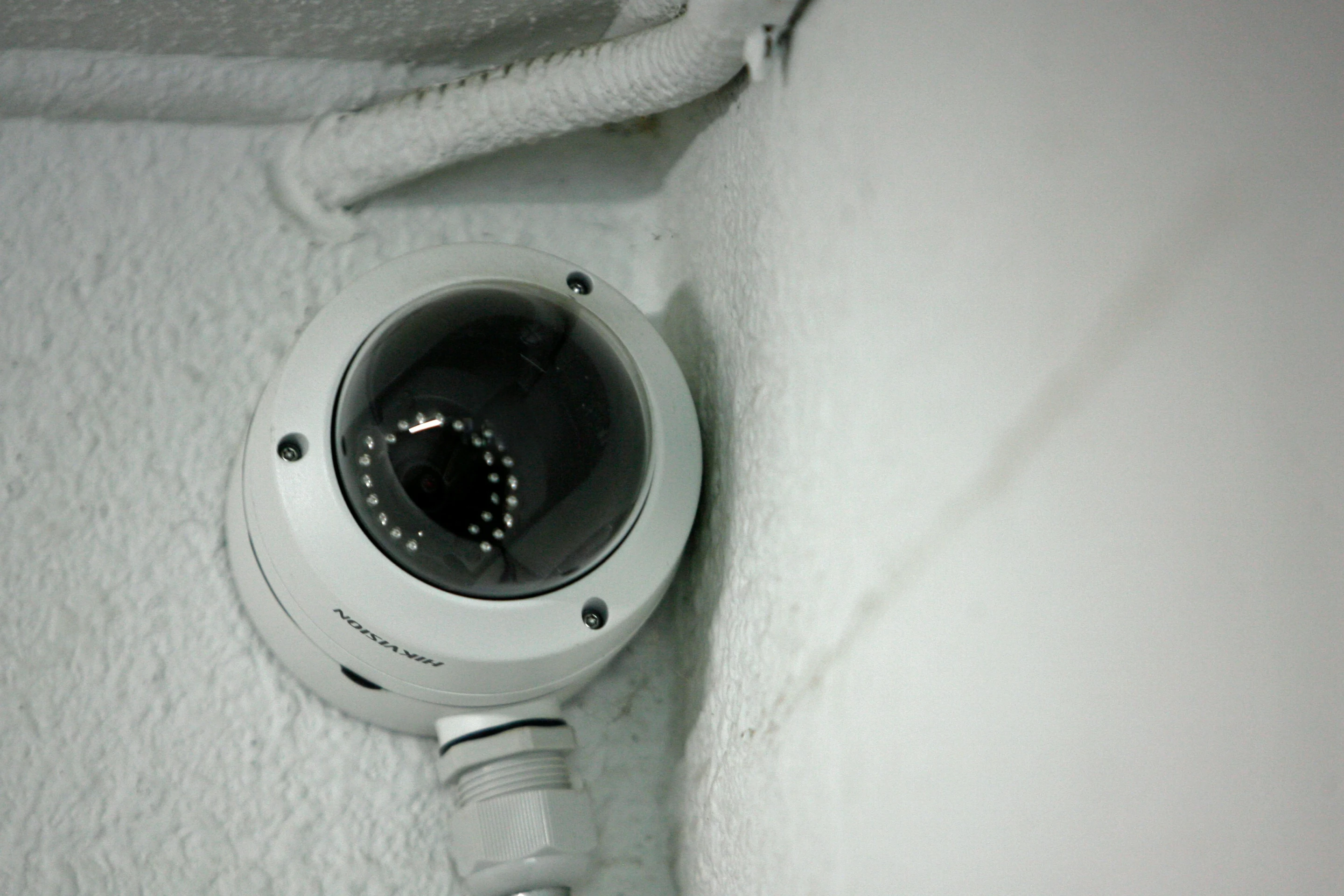
Timestamped biometric alert logs generated by monitoring systems such as OverWatch® create an objective supplementary record that addresses this gap directly. Fixed-environment monitoring technologies such as OptiGuard™ provide a visual layer for high-risk observation cells, identifying patterns consistent with reduced movement or breathing activity and generating a notification directing staff to check the cell before the next scheduled round. That notification timing can support a faster staff response between rounds.
Building Operations Around the Known Risk Pattern
For detention leadership evaluating alcohol withdrawal jail monitoring practices, the operational framework must be built around the known risk pattern: delayed onset, gradual progression, and a clinical trajectory that can move from manageable to critical between observation intervals.
Key operational considerations include whether housing placement criteria for known or suspected alcohol withdrawal are clearly defined and applied consistently, whether observation intervals in high-risk units reflect the actual risk window rather than a generic schedule, whether documentation practices capture meaningful status changes throughout the post-intake period, and whether continuous monitoring technologies are in place to provide physiological awareness during the hours most likely to see deterioration.
With OverWatch® monitoring more than 55,000 individuals in custody across more than 80 agencies in 19 states, agencies have demonstrated that continuous biometric monitoring is operationally viable alongside traditional supervision practices at scale. The platform's 99.99% system uptime is designed to maintain continuous monitoring coverage through every shift, including overnight hours when staffing is reduced and observation gaps are hardest to close.
Correctional leaders seeking additional resources on alcohol withdrawal supervision and detention monitoring strategies can explore the 4Sight Labs Resource Center.

.jpg)

