Biometric Monitoring, Embedded in Daily Operations
This integration delivers monitoring awareness within the platform officers already use for rounds, supervision, and documentation.

HOW THE INTEGRATION WORKS
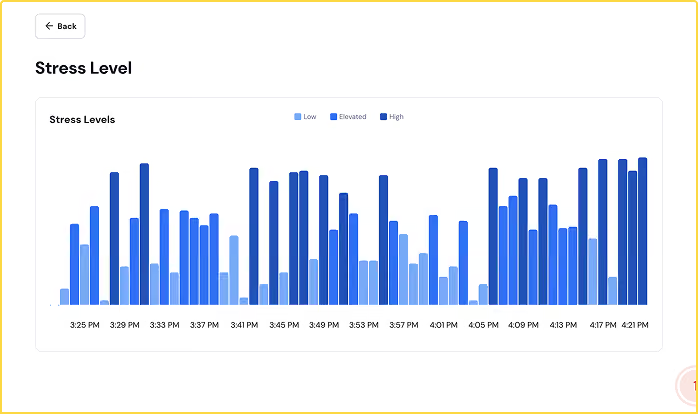

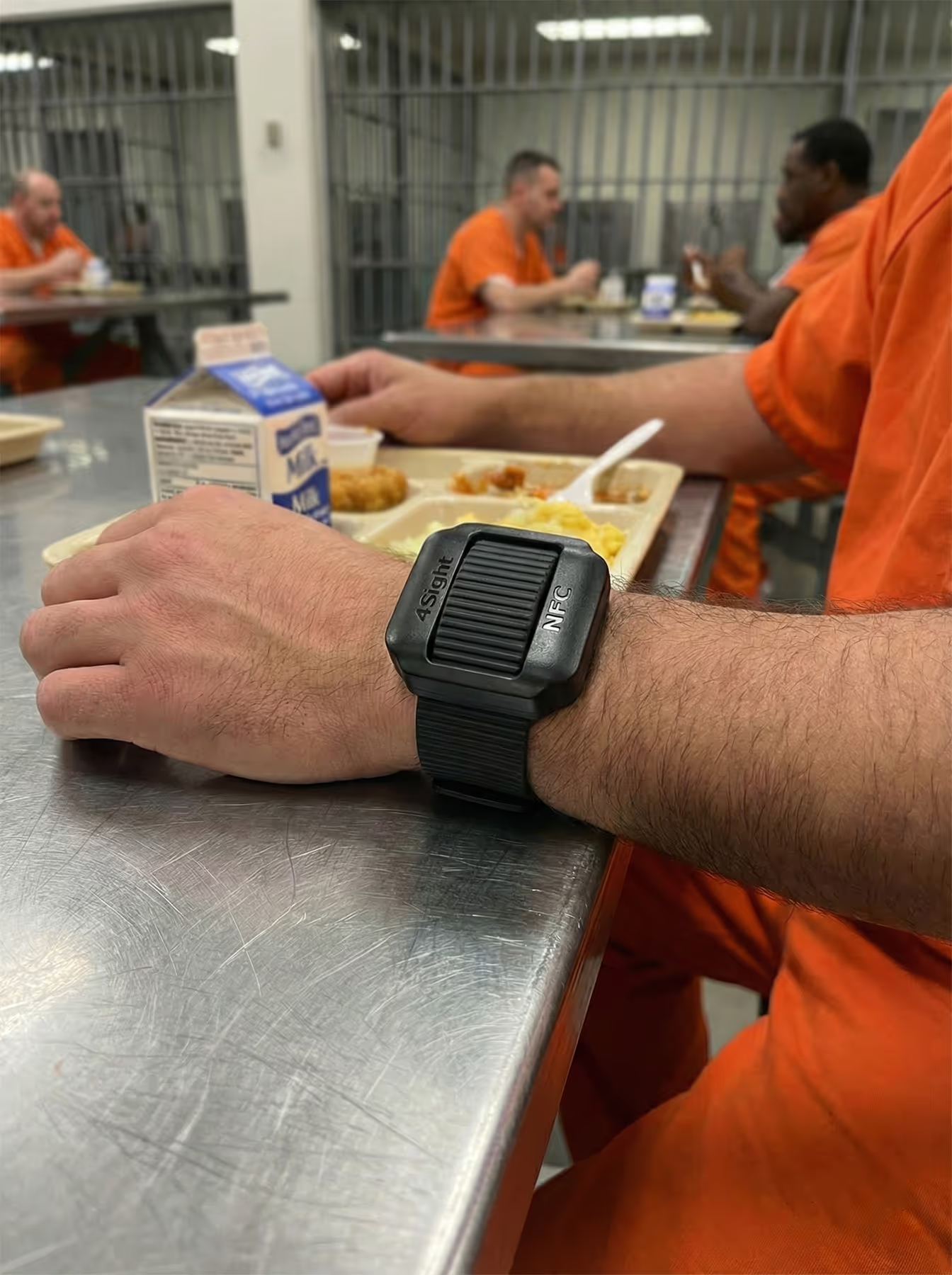
OverWatch® wearable sensors and OptiGuard™ visual monitoring continuously observe conditions within designated housing areas. The system analyzes movement patterns, biometric indicators, and visual activity to identify conditions that may require staff attention.
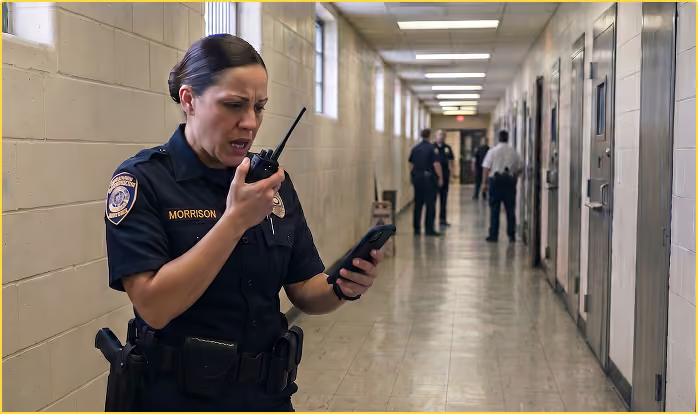

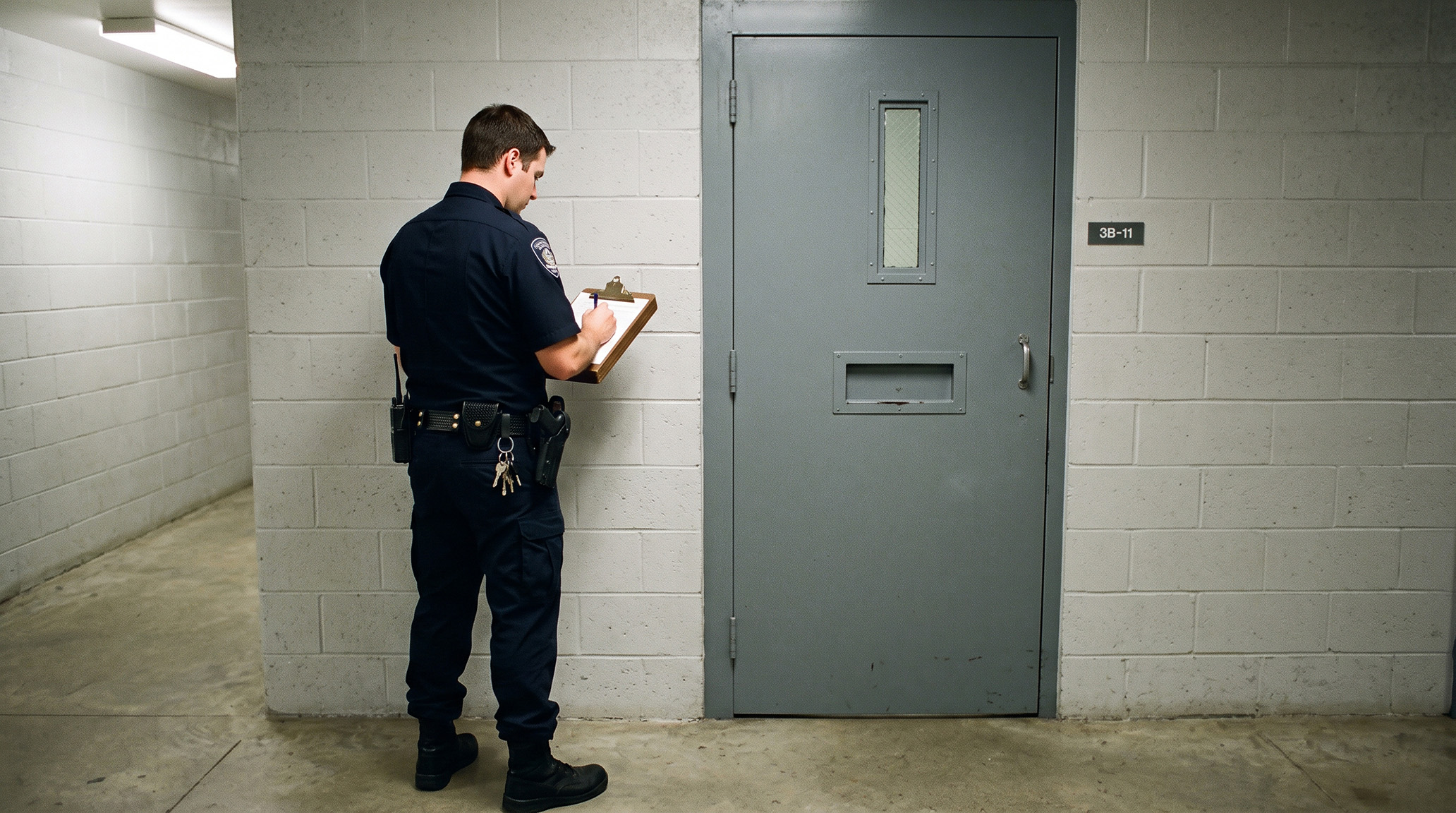
When conditions associated with detainee safety or welfare emerge, an alert is generated and delivered through the integrated system. Officers performing rounds receive notifications directly within the Command Cloud® mobile interface used for routine operations.
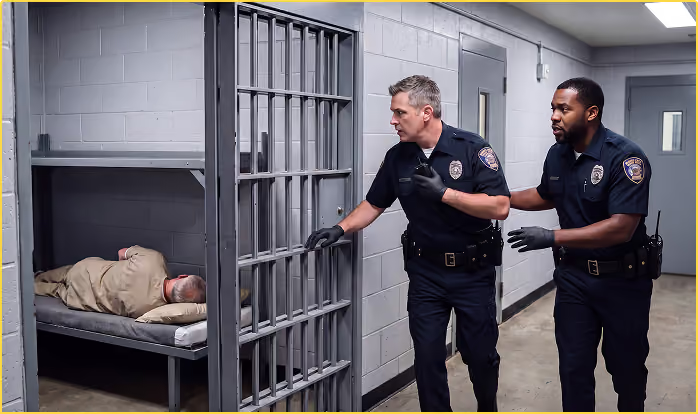

Officers verify the situation and respond as necessary. Because alerts appear within the Command Cloud® operational environment, both the alert and the response become part of the facility’s documented operational record.
EXPLORE OURTECHNOLOGY
4Sight Labs builds biometric systems grounded in disciplined engineering, measurable performance, and real-world deployment experience.

DESIGNED FOR CORRECTIONAL ENVIRONMENTS
High-risk events in custody often evolve rapidly and outside of scheduled checks. By integrating continuous biometric awareness into Command Cloud, agencies gain an additional layer of real-time insight helping staff act earlier, respond more effectively, and document care with greater confidence.
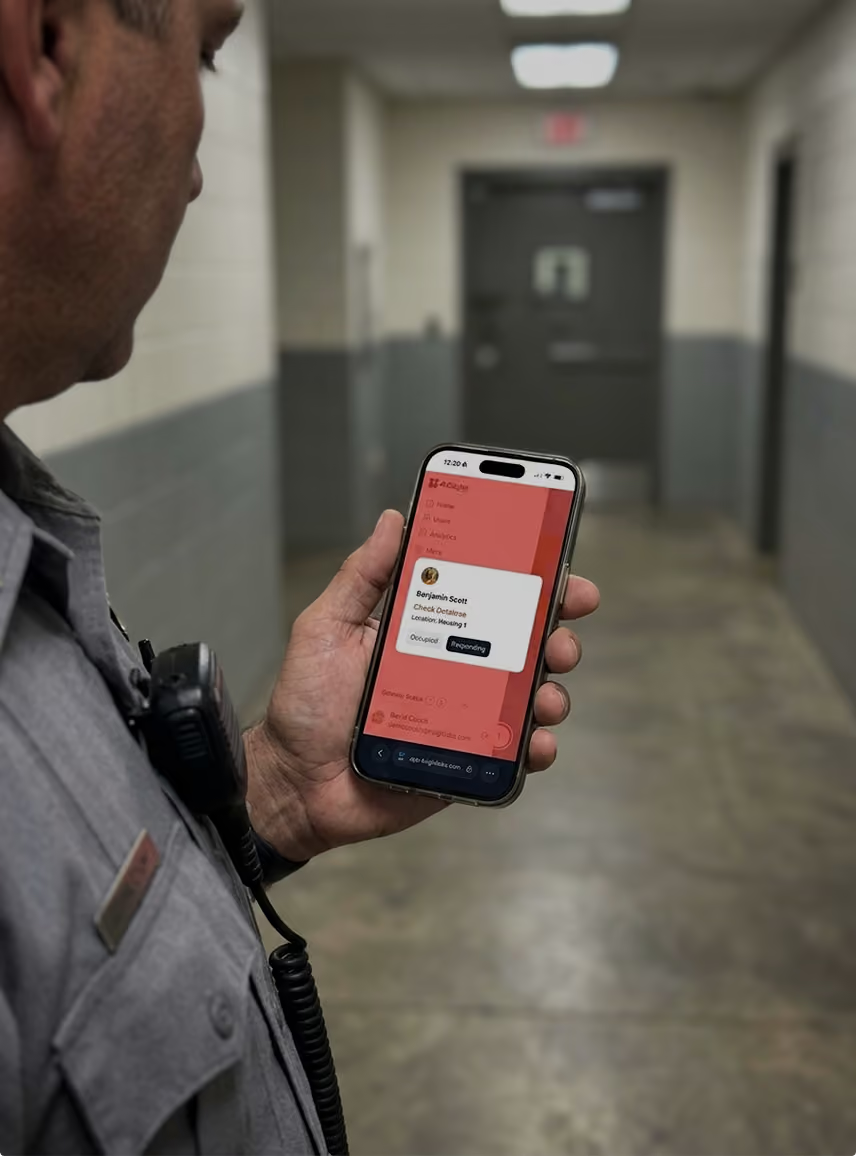
Through integration with Command Cloud®, OverWatch® alerts are delivered directly to officers performing rounds within housing areas. When conditions associated with detainee safety or welfare emerge, alerts appear within the same mobile interface used for daily operations.
This transforms traditional rounds from a purely observational process into a technology-supported verification layer, where officers are guided to areas that may require attention.
Alerts are embedded within the Command Cloud® interface used for documentation and supervision, eliminating the need for staff to learn or manage an additional monitoring system. For command staff, alert activity and response are incorporated into the agencyʼs operational record, supporting greater visibility into both events and actions taken.
Modern detention facilities rely on operational platforms that manage inmate tracking, officer rounds, and facility accountability. OverWatch® and OptiGuard™ are designed to integrate directly into these environments, allowing biometric monitoring awareness and supervisory visibility to function within the systems correctional staff already use daily.
Through secure integration with Command Cloud® from GUARDIAN RFID®, OverWatch® and OptiGuard™ extend operational visibility by bringing continuous monitoring awareness directly into the facilityʼs existing workflow. Rather than requiring staff to manage separate systems, alerts and monitoring awareness appear directly within the Command Cloud® officer platform used during routine rounds and supervision.
Through integration with Command Cloud®, OverWatch® alerts are delivered directly to officers performing rounds within housing areas. When conditions associated with detainee safety or welfare emerge, alerts appear within the same mobile interface used for daily operations.
This transforms traditional rounds from a purely observational process into a technology-supported verification layer, where officers are guided to areas that may require attention.
Alerts are embedded within the Command Cloud® interface used for documentation and supervision, eliminating the need for staff to learn or manage an additional monitoring system. For command staff, alert activity and response are incorporated into the agencyʼs operational record, supporting greater visibility into both events and actions taken.
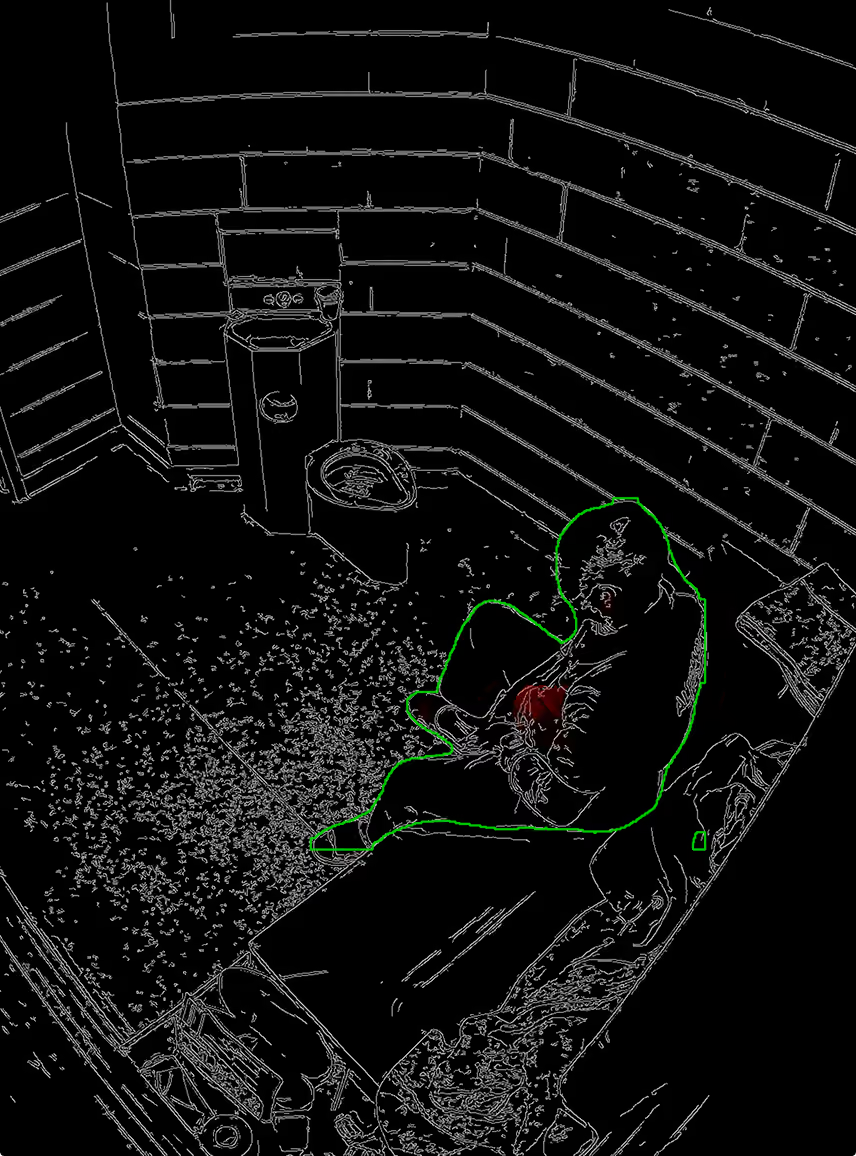
In housing environments where wearable monitoring may not be deployed, OptiGuard™ provides an additional oversight layer through fixed-camera analysis within high-risk single-occupancy cells.
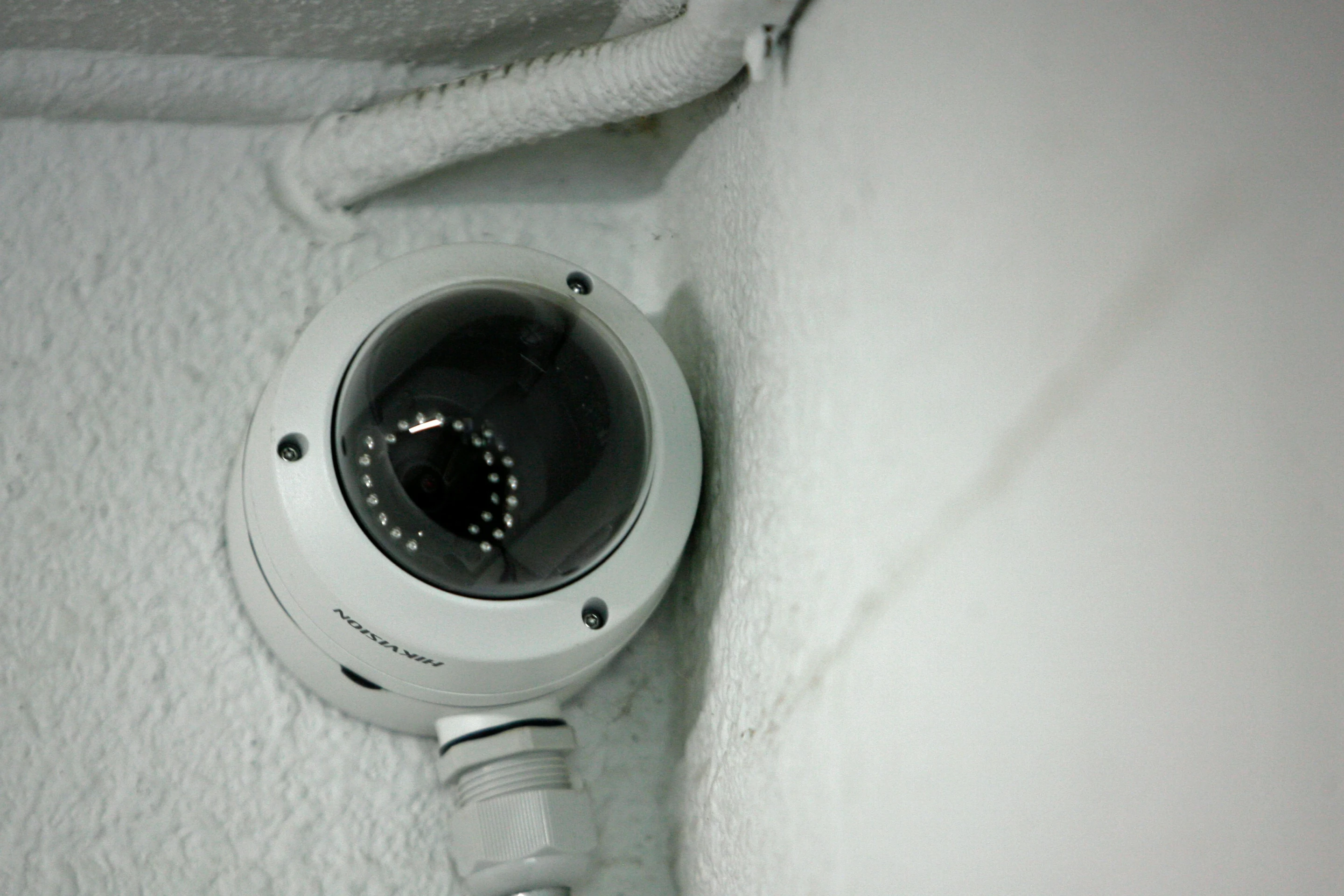
OptiGuard™ analyzes visual data from existing camera infrastructure to identify changes in detainee presence, posture, or activity patterns that may require staff attention.
When deployed alongside OverWatch®, agencies gain a layered monitoring environment that supports awareness across different housing conditions, combining wearable monitoring with fixed-environment visibility.

Bring Monitoring Into Your Existing Operations
Understand how OverWatch® and OptiGuard™ integrate directly into Command Cloud® without disrupting your operations.
OPERATIONAL ADVANTAGES FOR AGENCIES
Capture, transmit, and interpret physiological data in real time for better responses.
Unified Biometric Awareness for Modern Custody Environments
OptiGuard™ extends biometric monitoring beyond the individual, transforming the detention environment into an active layer of awareness within 4Sight Labs’ unified biometric platform.
By connecting monitoring awareness with routine rounds documentation, agencies gain both continuous operational visibility and a documented record of staff response.
This brings biometric monitoring awareness, visual observation, officer rounds, and operational documentation into a single system that supports safer custodial operations while reinforcing an agency’s ability to demonstrate proactive Duty of Care within high-risk detention environments.

Strengthen Oversight Across Your Facility
Bring biometric monitoring and operational workflows together in one unified environment.
Press release

Common questions
OverWatch® and OptiGuard™ strengthen safety and welfare oversight where it matters most.
No. OptiGuard™ is designed to enhance observation protocols, not replace them. The system provides continuous automated liveness monitoring between physical checks by detecting breathing patterns and subtle physiological movement through existing camera feeds. This added layer of awareness helps agencies maintain stronger oversight between scheduled rounds.
No. OptiGuard™ is designed to work with existing IP camera infrastructure. The system receives a live RTSP video feed from current cameras and processes it through a dedicated on-premise appliance deployed within the agency’s secure network. No modifications to camera hardware, firmware, or existing video management systems (VMS) are required.
No. Video processing occurs locally through a dedicated on-premise appliance operating within the agency’s secured network. The system analyzes video feeds for breathing and movement patterns without requiring cloud video storage, helping agencies maintain control over their data and infrastructure.
OptiGuard™ is specifically designed for high-risk, single-occupancy housing environments, including medical observation cells or other areas where enhanced monitoring is required. It provides automated liveness awareness without requiring detainees to wear biometric sensors.
Together, these systems extend biometric awareness from the individual to the environment, strengthening response capability, documentation integrity, and litigation defensibility in high-risk custody settings.
OptiGuard™ serves as the environmental monitoring layer within 4Sight Labs’ Unified Correctional Biometric Platform. When paired with OverWatch®, agencies gain two complementary monitoring capabilities:
- OptiGuard™ monitors breathing and movement within the cell environment using camera analytics.
- OverWatch® provides continuous physiological monitoring of the individual detainee through wearable biometric sensors.
Together, these systems extend biometric awareness from the individual to the environment, strengthening response capability and documentation in high-risk custody settings.

.jpg)